A short film showing the industrial process of jute works in India.
Botanical gardens in Bombay plus the highly decorative Jain Temple in Calcutta.
The film show the day to day running of the Titaghur Jute company, which is in Bengal on the banks of the river Hooghly. Opening shot 360 degree pan of industrial buildings. 7000 Indian workers are employed, mostly women and children. There parks for the children to play. We follow the process from jute to cloth women working at looms in the factory (very dark), shots of power plant. Schools and workers accommodations. Shots of trains and boats, loading.
The work of a district officer in the province of Bengal.
In the heyday of the jute industry, millions of people in Bengal made their living doing this laborious work, which has hardly changed since the industrial revolution. The 100-year-old machinery has been endlessly repaired. State aid kept this sustainable alternative to plastic going, but its future looks bleak.
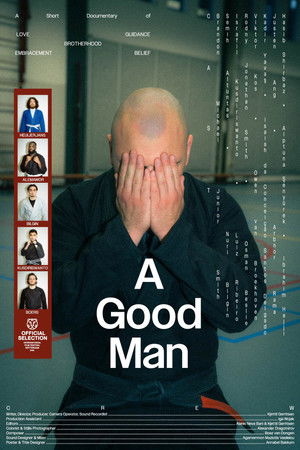
An exploration of masculinity through a close-knit Brazilian Jiu Jitsu community built on brotherhood and faith.
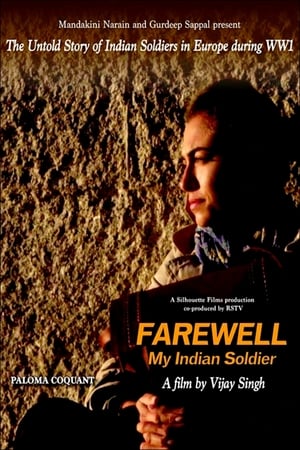
A young woman researches the hidden story of Indian soldiers who came to fight in France and Belgium during the World War I. The presence of these 140,000 soldiers in Europe is a virtually unknown fact of history.
Equal parts punk and psychedelia, the Flaming Lips emerged from Oklahoma City as one of the most bracing bands of the late 1980s. The Fearless Freaks documents their rise from Butthole Surfers-imitating noisemakers to grand poobahs of orchestral pop masterpieces. Filmmaker Bradley Beesely had the good fortune of living in the same neighborhood as lead Lip Wayne Coyne, who quickly enlisted his buddy to document his band's many concerts and assorted exploits. The early footage is a riot, with tragic hair styles on proud display as the boys attempt to cover up their lack of natural talent with sheer volume. During one show, they even have a friend bring a motorcycle on stage, which is then miked for sound and revved throughout the performance, clearing the club with toxic levels of carbon monoxide. Great punk rock stuff. Interspersed among the live bits are interviews with the band's family and friends, revealing the often tragic circumstances of their childhoods and early career.
L'âme indienne Martiniquaise
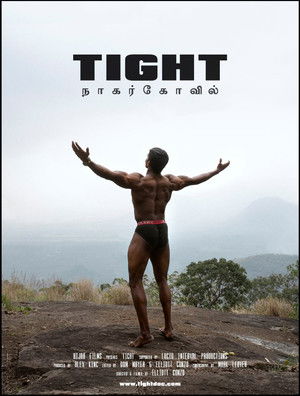
Can Aji's talent and triumphs elevate him from his poor, Tamil background to succeed on the national stage at Mr India? Or will his dreams be shattered by corruption and discrimination? The booming world of Indian bodybuilding is a captivating window through which to observe a rapidly changing society, while Aji's journey is a story of unity, brotherhood and celebration of India's incredible diversity.
Oriana Fallaci, the Italian journalist who is noted for her provocative interviews, interviews the leader of the Islamic Revolution, the Ayatollah Ruhollah Khomeini, on Sept 12, 1979. For 10 days Oriana Fallaci waited in the holy city of Qum for her interview with the 79 year old Ayatollah, who is the de facto ruler of Iran. On Sept. 12, she was led into the Faizeyah religious school, where Khomeini holds his audiences. She was accompanied by two Iranians Nyho and Iran prime minster Banisadr who had helped set up the interview and who served as translators. Oriana Fallaci, barefoot, enveloped in a chador, the head to toe veil of the Moslem woman, was seated on a carpet, when the Ayatollah entered, and the recorded interview could begin.
Sunderbans (Forest of Beauty) is in West Bengal, India, and is the only place on Earth that is the natural habitat of Royal Bengal Tigers that have never known to be fearful of humans. One tiger has been known to kill three fully grown men, leaving behind orphans and widows who belong to poor tribes, dependent on harvesting wild honey and fishing, in a swampy mangrove region. About 80 people are killed annually by these ferocious beasts with razor-sharp jaws, whose forepaws can shatter bones, and sharp teeth can pierce a skull in one bite. Amidst religious superstitions, the narrator attempts to explain the cause behind their taste for human meat in a region devoid of electricity, roadways, firearms and safe drinking water, and why the villagers continue to live there despite of being stalked and mauled on land and water alike.
Challenging the Western view that Islam inherently represses women’s rights, journalist Samira Ahmed travels across the world examining Islamic customs as they relate to women. In this two-part series, Ahmed explores whether current Islamic customs such as polygamy, honor killings, and requiring women to wear the hijāb (veil) are actually rooted in the Quran.
"Nasr Hamed Abou Zayd is not Godot, and the expectation promised by the title is misleading: this great gentleman is present in almost every shot. Who is he? An Egyptian Muslim theologian of international reputation, he has published exegeses of the Koran which led to his being condemned for apostasy. Exile, forced divorce from his wife Ibtihal Younes since his marriage was subject to annulment, separation from his son, such are the consequences of his writings. But Abou Zayd has not given up, residing in Leiden in the Netherlands, he continues, always on the road, to give conferences, to explain with great serenity his positions in public debates, on television, etc. C It is this particularly impressive dedication that Mohammad Ali Atassi's camera recorded over a period of six years.
Wheel of Time is Werner Herzog's photographed look at the largest Buddhist ritual in Bodh Gaya, India.
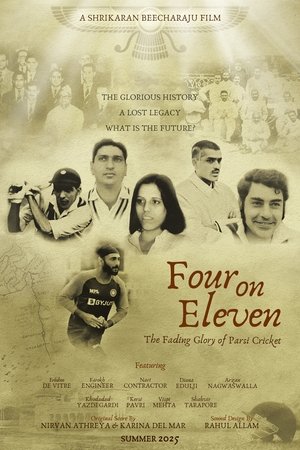
The Parsi Community has inked an incredible mark in Cricket, with a rich and storied legacy dating back to the early days of Cricket in India. Parsi Cricketers played a pioneering role in nurturing and popularising the game, producing some iconic cricketers. However, over time, the Parsi Community's influence on the sport has gradually declined, reflecting broader changes. While their contributions remain essential to the history of Indian cricket, the community's active participation on the field has diminished. But, is there still hope left?
In times of conflict, a companion can be the final thread linking one to human connection. In Call of Duty: Warzone, communication is fractured, making it even harder to truly know those you play with. Dialogue is just a series of terse exchanges of orders and instructions; everything revolves around the game, everything is subsumed by war. Forming a meaningful connection with an anonymous player seems nearly impossible. In The Zone, the protagonists confront this challenge, pushing beyond the fleeting interactions dictated by random matchmaking. They seek to reclaim their humanity, engaging with pressing themes — religion, terrorism, and representation — subtly embedded in the game’s mechanics and geography.
Against the backdrop of Pakistan's elections, this film follows the rise of powerful cleric Khadim Hussain Rizvi, on a mission to preserve the country's blasphemy laws, which prescribe a mandatory death sentence for disrespecting The Prophet Muhammad (P.B.U.H) and life imprisonment for desecrating the Holy Quran. With millions sympathetic to his goal, Rizvi silences anyone attempting to change the law by condemning them to death. As he pushes for more power, Rizvi decides to run for office in the upcoming general elections, and those accused of blasphemy or those who oppose the blasphemy laws- whether targeted minorities, liberals, and opposing Muslim voices - become the pawns of his ambition.
Your Ecstatic Self is a conversation unfolding in a car with Sajid, the artist’s brother. As the journey progresses Sajid discusses his engagement with the philosophy and practice of Tantra, having spent the majority of his 44 years as a strict Sunni Pakistani Muslim. Placing the idiosyncrasies of western fetishism towards eastern philosophical traditions alongside cultural orthodoxies and ancestral knowledge, Your Ecstatic Self takes up multifaceted expressions of desire, intimacy and sexual agency.
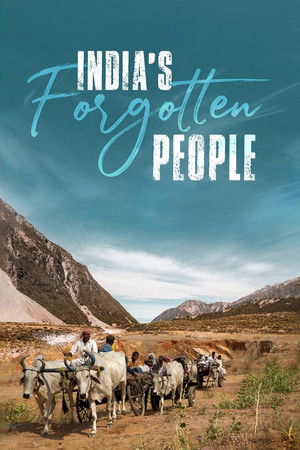
From respected forgers of Armour for Hindu kings in the 16th century through to impoverished nomadic blacksmiths who forge and sell items from waste metal scraps.The history and story of India's proud but largely forgotten Gadia Lohar community is for the first time sensitively investigated and revealed in Deana Uppal's documentary 'The Forgotten People'.