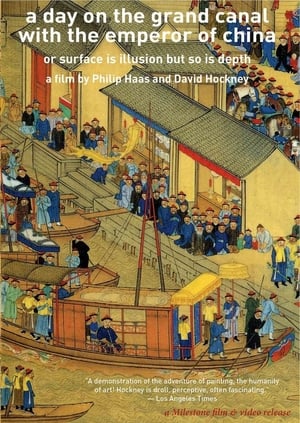
Director Philip Haas and artist David Hockney invite you to join them on a magical journey through China via a marvelous 72-foot long 17th-century Chinese scroll entitled The Kangxi Emperor's Southern Inspection Tour (1691-1698), scroll seven . As Hockney unrolls the beautiful and minutely detailed work of art, he traces the Emperor Kangxi’s second tour of his southern empire in 1689.
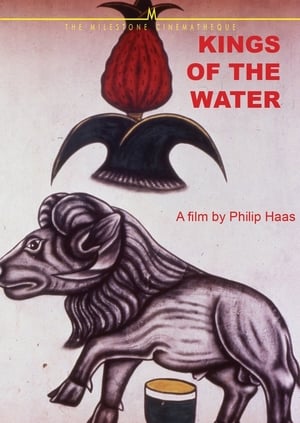
Cyprien Tokoudagba is from the city of Abomey in the Benin Republic of West Africa, where he paints the religious houses of the vodun. Haas and his film crew follow Cyprien as he first paints and then takes part in the ceremony to open a new temple. The paintings include three vodun figures and several emblems, including a pipe and a duck. Cyprien explains his work in the context of the religion and takes the crew to film two other local ceremonies, one where the dead are believed to come back to instruct the living through wild dancing and, another, where women warriors perform their war dances.
A poem about mania written by Omar Zefier. His second film.
The film is a documentary record of the passed stage of the life of the creative association "Buryatsky Underground" ("BATO") for 6 years of its existence.
A group of artists settle in a swamp on the banks of the Indre River. Meanwhile, a voice describes a utopian world.
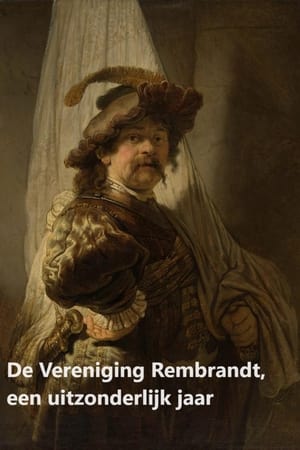
Documentary about the Rembrandt Association. In the 19th century, a lot of Dutch art disappeared abroad, before the Rembrandt Association stood up in 1883 to put a stop to it. Today, 140 years later, the Association still helps determine what art lovers see in Dutch museums. In their crowning year, the Association faces a difficult choice: will they make the largest contribution in their history to the purchase of Rembrandt's De Vaandeldrager? The amount of 175 million needed for the painting is causing discussion. Is this money well spent?
Vízie z Inferna-umenie proti zabúdaniu
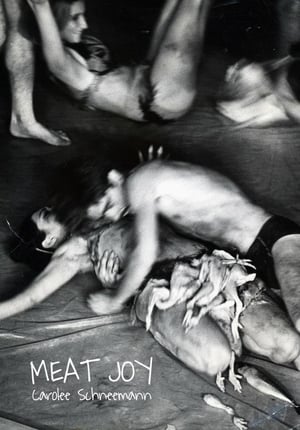
"Meat Joy is an erotic rite — excessive, indulgent, a celebration of flesh as material: raw fish, chicken, sausages, wet paint, transparent plastic, ropes, brushes, paper scrap. Its propulsion is towards the ecstatic — shifting and turning among tenderness, wildness, precision, abandon; qualities that could at any moment be sensual, comic, joyous, repellent. Physical equivalences are enacted as a psychic imagistic stream, in which the layered elements mesh and gain intensity by the energy complement of the audience. The original performances became notorious and introduced a vision of the 'sacred erotic.' This video was converted from original film footage of three 1964 performances of Meat Joy at its first staged performance at the Festival de la Libre Expression, Paris, Dennison Hall, London, and Judson Church, New York City."
Arturo Urbiola, independent singer/songwriter, talks about the influence music has had on his life, it's impact, and what's in store for his artistic career after becoming a father.
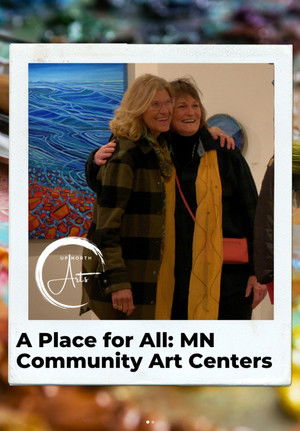
Explore the boundless nature of creativity in Central Minnesota. From local galleries to hands-on workshops, see how Community Art Centers create a unique environment where everyone is invited to participate, create, and belong. This is the first installment of Lakeland PBS's "Up North Arts"
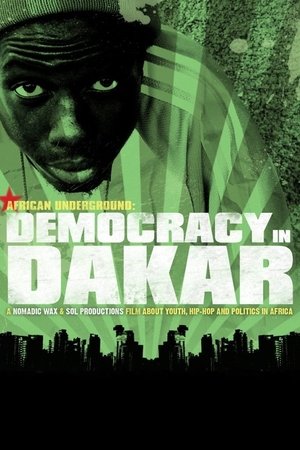
African Underground: Democracy in Dakar is a groundbreaking documentary film about hip-hop youth and politics in Dakar Senegal. The film follows rappers, DJs, journalists, professors and people on the street at the time before, during and after the controversial 2007 presidential election in Senegal and examines hip-hop’s role on the political process. Originally shot as a seven part documentary mini-series released via the internet – the documentary bridges the gap between hip-hop activism, video journalism and documentary film and explores the role of youth and musical activism on the political process.
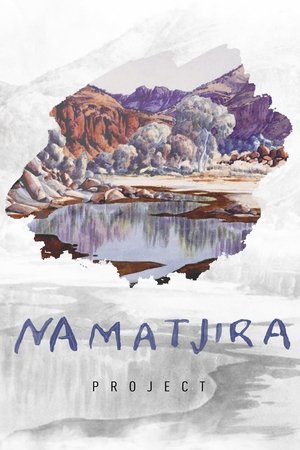
From the remote Australian desert to the opulence of Buckingham Palace - Namatjira Project is the iconic story of the Namatjira family, tracing their quest for justice.
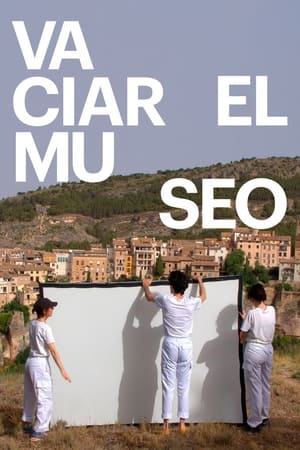
Vaciar el museo
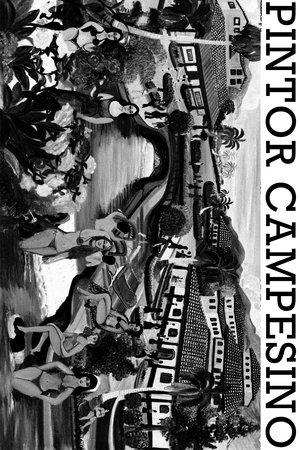
Cleto Rojas, a peasant painter in Venezuela, discusses his artwork. From movies and Roman mythology to his own dreams and scenes of rural life, Rojas takes inspiration from all sources and transforms the world around him into fantastic visions. He teaches village children his technique of using house-paint on canvas, as his wife goes about her own housework, singing slowly. The painter is bemused by the attention of anthropologists and art critics, and he talks about the pitfalls of attention. He remembers traveling to Caracas as a young man to meet famous painters and being disappointed in them. His ambitions are more focused on the content of his work - Rojas wishes he could envision and paint one of Venezuela's heroes, Simon Boilvar, as he really was, as no accurate representations exist now. Without looking for fame, he continues painting all kinds of images as he sees them.
This film features some of the most important living Postmodern practitioners, Charles Jencks, Robert A M Stern and Sir Terry Farrell among them, and asks them how and why Postmodernism came about, and what it means to be Postmodern. This film was originally made for the V&A exhibition 'Postmodernism: Style and Subversion 1970 - 1990'.
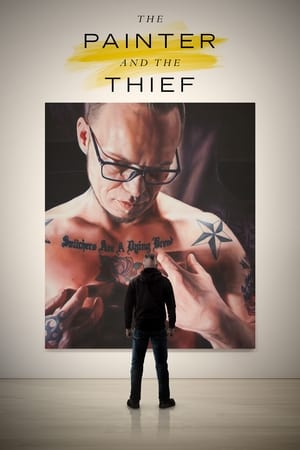
When two of artist Barbora Kysilkova’s most valuable paintings are stolen from a gallery at Frogner in Oslo, the police are able to find the thief after a few days, but the paintings are nowhere to be found. Barbora goes to the trial in hopes of finding clues, but instead she ends up asking the thief if she can paint a portrait of him. This will be the start of a very unusual friendship. Over three years, the cinematic documentary follows the incredible story of the artist looking for her stolen paintings, while at the same time turning the thief into art.
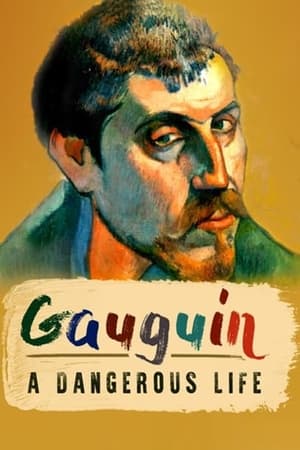
Gauguin’s vivid artworks sell for millions. He was an inspired and committed multi-media artist who worked with the Impressionists and had a tempestuous relationship with Vincent van Gogh. But he was also a competitive and rapacious man who left his wife to bring up five children and used his colonial privilege to travel to Polynesia, where in his 40s he took ‘wives’ between 13 and 15 years old, creating images of them and their world that promoted a fantasy paradise of an unspoilt Eden in the Pacific. Later, he challenged the colonial authorities and the Catholic Church in defence of the indigenous people, dying in the Marquesas Islands in 1903, sick, impoverished and alone.
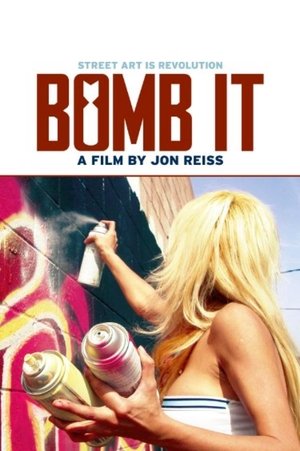
Through interviews and guerilla footage of graffiti writers in action on five continents, the documentary tells the story of graffiti from its origins in prehistoric cave paintings thru its notorious explosion in New York City during the 70’s and 80’s, then follows the flames as they paint the globe.
The history of art in Ethiopia. The film emphasizes the styles, materials, etc. ofpaintings on walls and roofs of ancient churche
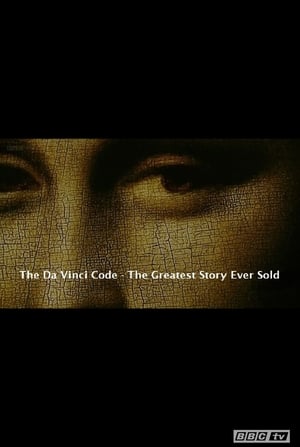
After Dan Brown's publishing phenomenon The Da Vinci Code was cleared of plagiarism charges, this documentary explores the climate which has permitted a fictional story to make such an effective challenge to conventional history that it has forced a counter-attack from the Church, the art world and academics. Has Brown cracked the most difficult code of all our 21st-century cultural DNA?