This film, directed by Dominique GAUTIER, takes the viewer on a worldwide excursion into the history and structure of the Esperanto language, introducing its present-day speakers. The words of these users of the language are reflective of a variety of activities and viewpoints, and in the film they are interwoven so as to reveal bit by bit how the utopia of its initiator, Ludwig ZAMENHOF, is concretised every day.
A German Documentary about the “village of friendship” that was created by American Veteran George Mizo to help the Vietnamese kids suffering from the Vietnam War.
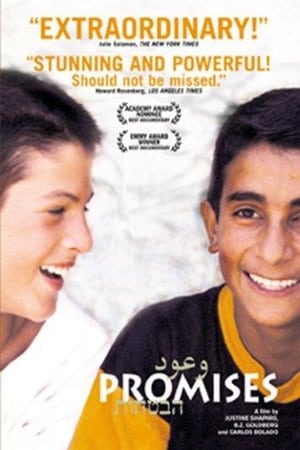
Documentarians Justine Shapiro and B.Z. Goldberg traveled to Israel to interview Palestinian and Israeli kids ages 11 to 13, assembling their views on living in a society afflicted with violence, separatism and religious and political extremism. This 2002 Oscar nominee for Best Feature Documentary culminates in an astonishing day in which two Israeli children meet Palestinian youngsters at a refugee camp.
Anne'ye
A secret museum in an art hotel sparks intrigue when it's revealed to be a creation of controversial artist, Banksy. Using art as a form of political resistance, the hotel highlights the reality of life under Israeli military occupation. The film journeys through the hotel, Palestine, and a relevant past to dismantle the mainstream media's bias towards the Palestinian struggle for freedom and equality.
Deep beneath the surface in the Syrian province of Ghouta, a group of female doctors have established an underground field hospital. Under the supervision of paediatrician Dr. Amani and her staff of doctors and nurses, hope is restored for some of the thousands of children and civilian victims of the ruthless Syrian civil war.
Pray the Devil Back to Hell chronicles the remarkable story of the Liberian women who came together to end a bloody civil war and bring peace to their shattered country.
After the recent loss of his wife Angèle, grandpa René tries to stay positive, finding comfort in simple joys like his cacti and cat Musti—but the weight of impermanence lingers.
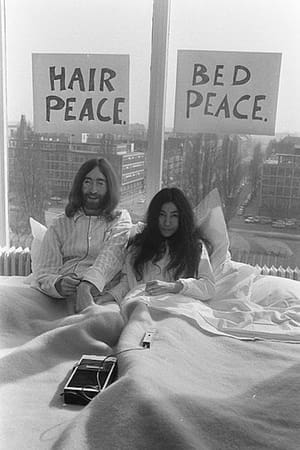
John and Yoko in the presidential suite at the Hilton Amsterdam, which they had decorated with hand-drawn signs above their bed reading "Bed Peace." They invited the global press into their room to discuss peace for 12 hours every day.
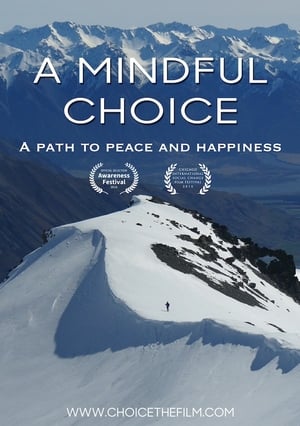
Inner peace and self-fulfillment are possible for each of us. Two modern day monks set off on an international journey to film a diverse range of people making the choice for a better life through meditation. Stunning cinematography combined with the power of people sharing from a place of profound peace delivers a palpable and moving experience. Available to rent or buy in 11 languages - English, Spanish, Portugese, Norwegian, Mandarin, French, German, Finnish, Italian, Dutch, and Swedish. https://vimeo.com
In March of 2008, 250 veterans and active duty soldiers marked the fifth anniversary of the invasion of Iraq by gathering in Washington, DC to testify from their own experience about the nature of the occupations of Afghanistan and Iraq. Inspired by the 1971 Winter Soldier Investigation held by the Vietnam Veterans Against the War, they too sought to express their opposition to those wars with their first-hand accounts, bearing witness with voices not generally heard. Our documentary is a portrait of three participants. If follows their lives for 6 weeks leading to the even and afterward; an active duty female soldier, a 9 year National Guard Veteran, and a 3 tour former Marine. This is their story.
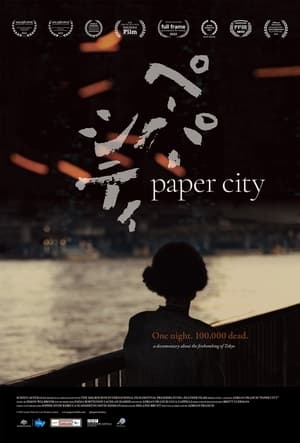
Just after midnight on 10 March 1945, the US launched an air-based attack on eastern Tokyo; continuing until morning, the raid left more than 100,000 people dead and a quarter of the city eradicated. Unlike their loved ones, Hiroshi Hoshino, Michiko Kiyooka and Minoru Tsukiyama managed to emerge from the bombings. Now in their twilight years, they wish for nothing more than recognition and reparations for those who, like them, had been indelibly harmed by the war – but the Japanese government and even their fellow citizens seem disinclined to acknowledge the past.
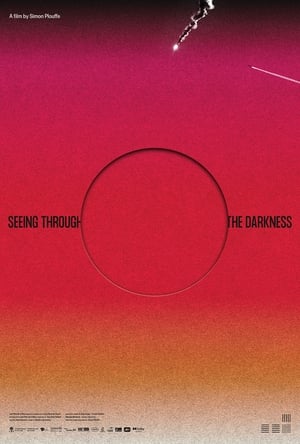
The film follows five people who lost their sight in armed conflicts, gathering fragments of their present-day lives. Through an enveloping sound composition, veiled archival material, footage shot by the protagonists themselves, and a sensitive visual approach, the film explores memory, perception, and our relationship to the visible. Steering away from spectacle, it invites us to hear what often goes unheard, and to feel differently. In an age saturated with images, this documentary offers a sensory experience where listening becomes a gesture of resistance and human reconnection.
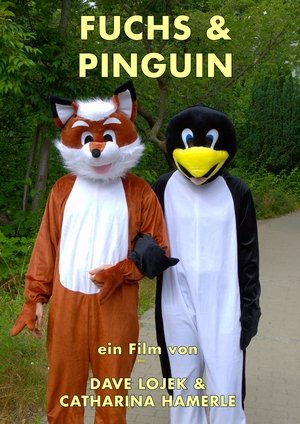
How do German couples communicate in private? What are they arguing about? Is the way to a man’s heart really through his stomach? This docu-fictional hybrid production discusses such questions with the help of authentic interview snippets that were edited under the staged plot. We get an insight into the life of an animal couple, who experience typical everyday situations on behalf of us humans. At first, our fox is emotionally contained, while the penguin lady may get wild as hell. With a wink, the filmmakers hold up a mirror to the audience in the cinema.
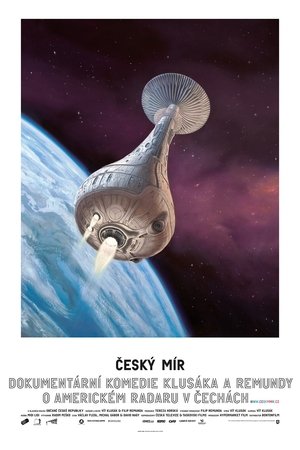
From the makers of legendary CZECH DREAM, a hilarious documentary about a hoax hypermarket, comes CZECH PEACE, a new playfully explosive flm about the mayor of a small Czech village and his attempts to foil the American plan to build its 762nd military base right on his doorstep. The players in this story are everyone from villagers to George W. Bush, Condoleezza Rice, Barack Obama, peace activists and lobbyists representing American arms manufacturers. Can the Mayor of Trokavec (population 80) take the US on? CZECH PEACE shows the workings of geopolitics and the way they affect the little people. The personal clashes with the impersonal, the specifc with the universal, and an individual with the so-called great history.
After twelve years in exile, Syrian journalist and filmmaker Daham Alasaad returns to Homs, devastated by the war in Syria. Once the city of his childhood, it is now a relic of an authoritarian regime, where different communities (Sunnis, Christians, Alawites) are trying to rebuild their lives together after terrible years of division and destruction. Thanks to Daham Alasaad's close relationship with the city's inhabitants, the director highlights some very moving characters, torn between grief, fear, the need for justice, and the desire for peace and reconciliation. By opening up naturally to the camera, they allow viewers to experience what Syrians of all backgrounds are going through today. "Homs-Syria, Life After" is a personal and political investigation into the ability of this symbolic city to rebuild hope on the ruins of a Syria ravaged by more than fifteen years of war and facing an uncertain future.
Andrés Rabadán was headline news after killing his father with a crossbow. But beyond the chatter of the media, what is the true story of the young man who became known as the “maniac with the crossbow”?
New York City's Monterey is a residence hotel, whose inhabitants are older and primarily live alone. The camera, usually stationery, observes the lobby. No score, the lobby is clean with granite floors, men wear hats, people enter and exit an elevator, the camera looks out from within the elevator as doors open and close. People sit alone and motionless in their apartments. There are long shots of empty halls. Paint peels. The flooring on upper levels is linoleum. Hall lights are florescent. Doors open a crack then close.
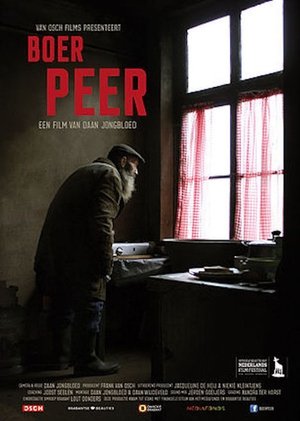
Eight years ago director Daan Jongbloed stumbled upon an abandoned farm, which surprisingly was inhabited by 97-year-old farmer Peer. The peacefulness and sobriety in which Peer lives fascinated Daan tremendously. His view of Peer’s rural lifestyle is rather idyllic, but to Peer this is reality. Why does he live the way he does? Who is Peer and what’s troubling him? In an attempt to understand Peer and his perception of life Daan has followed him on and off for the past eight years. Peer cautiously reveals a glimpse of his lonely life and disturbing past.
In 2022, when the economic crisis in her native country was at its peak, she decided to visit her family there. She turned her short trip into a collage-like diary in which she reflects on her relationship with her homeland, which is in a state of protracted decay. The film is composed of spontaneous snapshots capturing the author's stay, interspersed with inserted captions serving as personal, often poetically formulated comments and observations. As a result, the film does not hide its strongly subjective perspective, but at the same time builds on it to make an important statement that shows the transformation of Lebanese society in everyday details such as the appearance of the city itself or in the intimate sphere of the author's family life.