Documentary on the pickup basketball community surrounding Albany's Washington Park aka the Graveyard.
Anishinaabe elders of the Curve Lake First Nation reflect on the history, decline, and return of the traditional food gardens that connect their culture, land, and contemporary life.
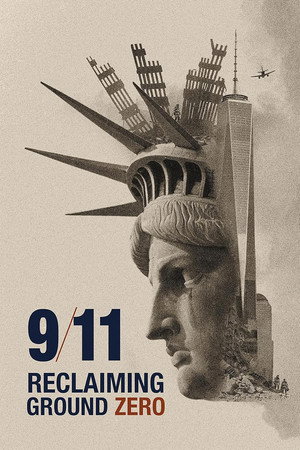
After the 9/11 attacks, after the smoke was gone, after the rubble cleared away, New Yorkers had a city to rebuild. In response to fast-tracked redevelopment plans, more than 5,000 people gathered in the largest town hall in American history. They came to vote on the city’s six proposals for rebuilding Ground Zero. But instead, the people rejected the top down approach and successfully charted a new path forward. Their work determined what is at Ground Zero today. And their story is an example of what democracy can look like.
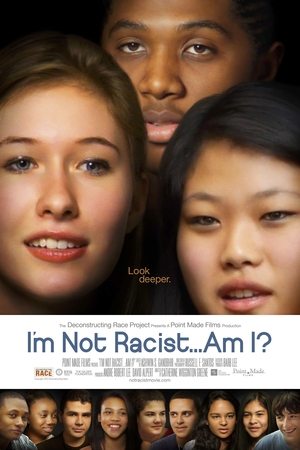
What if this next generation could transcend racism? One year, 12 teens, on a remarkable journey to face racism and white privilege, have the conversations most of us are too afraid to have. Once they push through naivete, guilt and tears, what they learn may change us all.
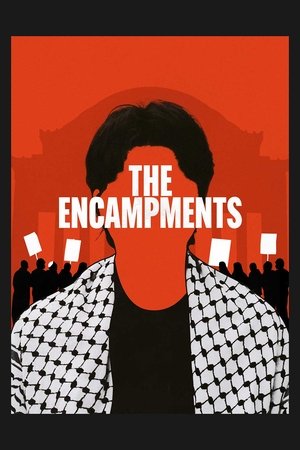
Students flooded Columbia University’s lawn to create the Gaza Solidarity Encampment in order to pressure their university to divest from the US and Israeli weapons companies. The film follows the central organizers of the encampment as they are thrust into the spotlight, face violent police repression and suspension, congressional pressure, and a media firestorm, all while fighting to attain their goal of divestment at any cost.
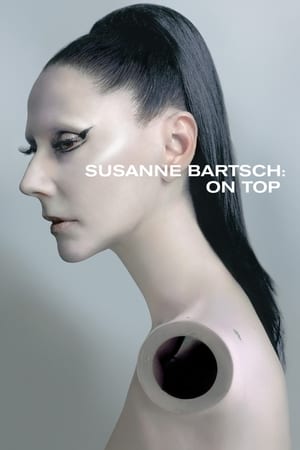
Dubbed New York's "Queen of the Night," proto–club kid Susanne Bartsch has been throwing unforgettable parties for over 30 years and is still going strong.
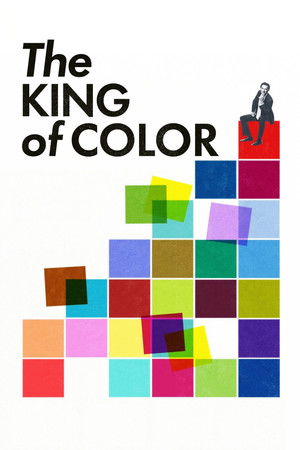
At 96, Lawrence Herbert reflects on his life, from his Depression-era Brooklyn upbringing to creating the Pantone Matching System, which revolutionized the worldwide use of color.
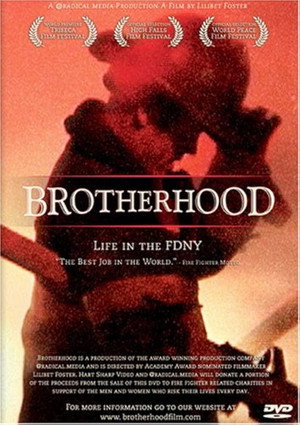
After the terrorist attacks of September 11, the world gained a new respect for New York City's firefighters. At the same time, the tragedy brought about a cascade of changes that would affect the lives of present and future firefighters forever.
Sur les Gratte-Ciel de New York
Die Menschenfischer
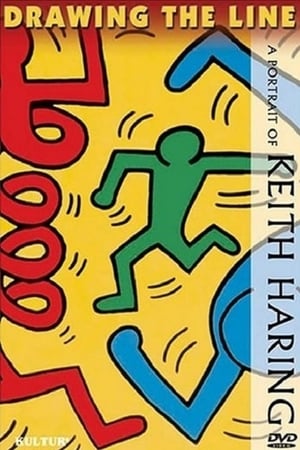
Short documentary about artist Keith Haring, detailing his involvement in the New York City graffiti subculture, his opening of the Pop Shop, and the social commentary present in his paintings and drawings.
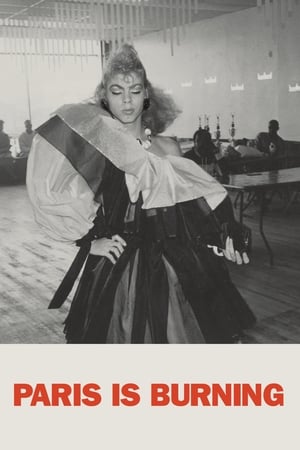
Where does voguing come from, and what, exactly, is throwing shade? This landmark documentary provides a vibrant snapshot of the 1980s through the eyes of New York City's African American and Latinx Harlem drag-ball scene. Made over seven years, PARIS IS BURNING offers an intimate portrait of rival fashion "houses," from fierce contests for trophies to house mothers offering sustenance in a world rampant with homophobia, transphobia, racism, AIDS, and poverty. Featuring legendary voguers, drag queens, and trans women — including Willi Ninja, Pepper LaBeija, Dorian Corey, and Venus Xtravaganza.
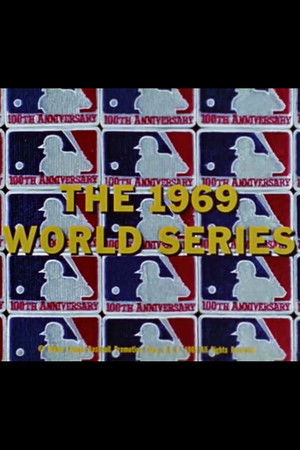
Recalls the story of Major League Baseball’s 1969 World Series.
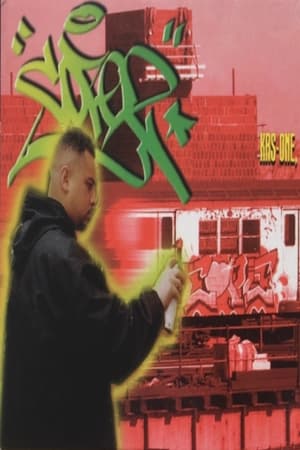
NYC Graffiti Documentary "Kings Destroy" straight from the boogie down Bronx and right into your living room, with guest appearances by KRS-1, FAT JOE, CASE II, SEEN, and many more...
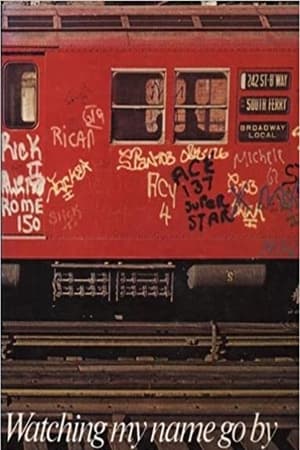
Watching My Name Go By is a 1976 BBC documentary on the birth of graffiti in New York City, and the fight to both prevent it, and expand it's artistic value. In 'Watching my name go by' kids in New York have a unique kind of occupation - sitting on the subway stations ' watching my name go by'. Eleven to 17-year olds compete to see how many times they can 'get their names up ' in a colorful way - a kind of graffiti cult game which has its own rules and regulations. It's illegal and dangerous-some New Yorkers think it's a kind of ' art others think it's disgusting.
Isamu Noguchi was a sculptor, designer, architect, and craftsman. Throughout his life he struggled to see, alter, and recreate his natural surroundings. His gardens and fountains were transformations meant to bring out the beauty their locations had always possessed.
The B Side Fighter
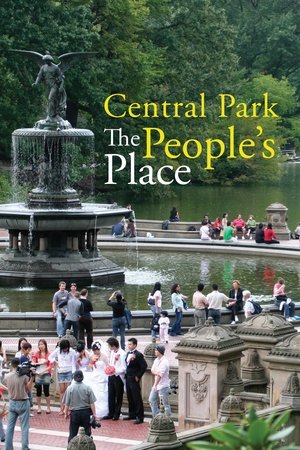
Central Park: The People’s Place is a loving portrait of New York’s collective backyard. It is a biography of a living place that continues to evolve as the city changes. The documentary explores its historic creation as the first truly public park, its psychological and sociological significance, artistic design, and role as an urban oasis as the world becomes increasingly aware of the importance of green spaces. The film celebrates nature’s seasonal changes with beautiful photography and original music that capture the “good vibes” of a park filled with New Yorkers at play. Home to birdwatchers, sunbathers, kids playing in the snow, musicians giving impromptu concerts and big events like Shakespeare in the Park and the New York City Marathon, Central Park is central to the life of the city. Central Park: The People’s Place examines both the collective and individual experiences of Central Park, rejoicing in the diversity and splendor of an American experiment in social democracy.
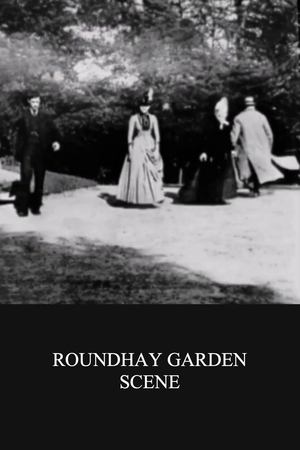
The earliest surviving motion-picture film, and believed to be one of the very first moving images ever created, was shot by Louis Aimé Augustin Le Prince using the LPCCP Type-1 MkII single-lens camera. It was taken on paper-based photographic film in the garden of Oakwood Grange, the Whitley family house in Roundhay, Leeds, West Riding of Yorkshire (UK), on 14 October 1888. The film shows Adolphe Le Prince (Le Prince’s son), Mrs. Sarah Whitley (Le Prince’s mother-in-law), Joseph Whitley, and Miss Harriet Hartley walking around in circles, laughing to themselves, and staying within the area framed by the camera. Roundhay Garden Scene is often associated with a recording speed of around 12 frames per second and runs for about 2 to 3 seconds.
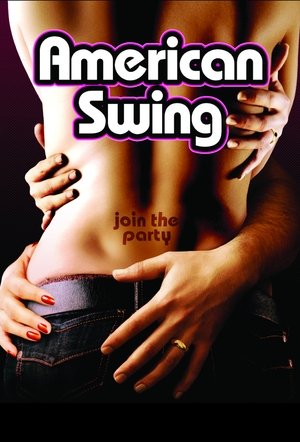
Chronicles the rise and fall of 1970s New York City nightclub Plato's Retreat.