Free Fish is a short documentary filmed over the course of a year in Gaza, following two brothers — Abu Nagham and Ahmad — separated by war yet connected by the sea. Displaced from their home, Abu Nagham now lives in a tent in the south, fishing with his young nephew Rami, who lost his twin brother. Ahmad remains in the north, fishing amid ruins and occupation. Once a source of livelihood and freedom, the sea has become a battleground — heavily restricted, constantly watched, and always dangerous.
In the summer of 2007, Gan Xiaoer led an independent film projection team, using projectors and self-made screens, to tour villages in Henan province to show his feature film "Raised from dust" for 8 times, and recorded the process. The 81-minute version of Church Cinema records only one stop, the Qiliying Church, where "Raised from dust" was shot.
A poetic journey through the paths and places of old Castile that were traveled and visited by the melancholic knight Don Quixote of La Mancha and his judicious squire Sancho Panza, the immortal characters of Miguel de Cervantes, which offers a candid depiction of rural life in Spain in the early 1930s and illustrates the first sentence of the first article of the Spanish Constitution of 1931, which proclaims that Spain is a democratic republic of workers of all kind.
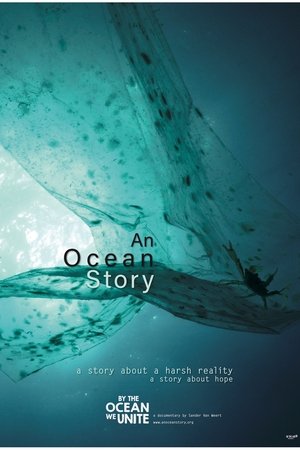
Tuna are among the top predators in the oceans. But the hunter is also the hunted: many species are overfished. Can we use the riches of the oceans without destroying them?
Monsanto is the world leader in genetically modified organisms (GMOs), as well as one of the most controversial corporations in industrial history. This century-old empire has created some of the most toxic products ever sold, including polychlorinated biphenyls (PCBs) and the herbicide Agent Orange. Based on a painstaking investigation, The World According to Monsanto puts together the pieces of the company’s history, calling on hitherto unpublished documents and numerous first-hand accounts.
There's No Fish in Lake Michigan is a short documentary exploring salmon's surprising presence in Chicago and the communities, industries, ecology, and history surrounding it. Made by Allegra Hatem, Macallister Rescorl, and Joshua Silver.
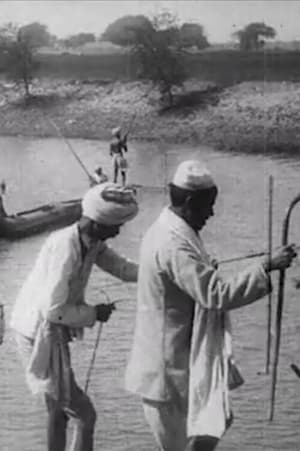
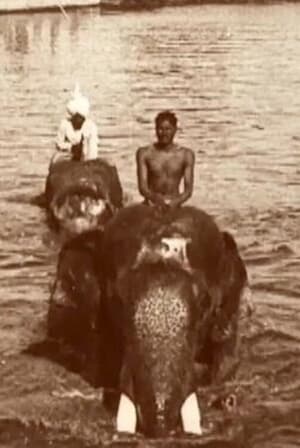
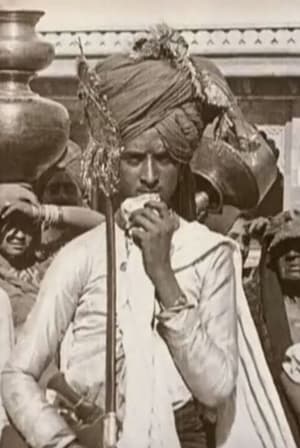
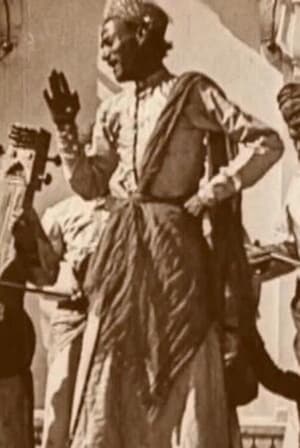
Early film of a crowded street scene in an unidentified Indian city.
The first part of the film shows an actuality street scene of traffic in the Strand. Behind the traffic we can see the entrance to the Gaiety Theatre on the Strand, advertising its latest show 'My Girl'. The second part is a different film altogether, spliced onto the first and is R W Paul’s Turn Out of a Fire Brigade filmed in November 1896 in Newcastle at the Westgate Road fire station. The film date is 1896.
In 1965, on the Eastern Shore of the Chesapeake Bay, there was the last operating fleet of sailing work boats in the United States. Forty-odd "Skipjacks" were still used by Maryland watermen to dredge up oysters from the Bay. At that time, the fleet had survived because of a Maryland conservation law which prohibits the use of motor power for oyster dredging. The watermen traditionally marked the opening of each oystering season with a skipjack race which the Maryland State Tourist Board incorporated into its annual "Chesapeake Bay Appreciation Day."
Shot in various villages throughout Yugoslavia, this is a disturbing document of a time when people were stabbing each other with knives without any real reason. Murderers, people who witness these murders and the families of victims all talk about the senseless violence and the human condition.
Jak se žije s českou rybou podle Jána Piroha
Documentary detailing a farmer’s visit to the market in Rawalpindi.
Migrant families experience violence, but they also keep beautiful memories when they arrive in new lands. Fantastic and intimate stories, recalled from childhood, travel across time and space, magically intermingling with the help of the four elements and breaking the boundaries of cinema.
One night, nine children from the same Tunisian village attempt the deadly crossing. Like a poem or a prayer, this film welcomes the words of bereaved mothers and gives dignity to their grief.
From dawn till dusk in the bohemian heart of London’s West End. This 1979 portrait of the people and places of Soho catches the neighbourhood towards the end of an era. There's some great footage inside an Italian delicatessen and of assorted street characters. It's a fascinating glimpse into this walled garden of cosmopolitan life on the cusp of the gentrification and commercial interests that have since broken its borders.
A Day in TOKYO in 1968, Nostalgic bygone era. Planned by Japan National Tourism Organization. Produced by Koga Production. This film was produced to explain Tokyo for foreign tourists.
“…It is a film that tells in hurried film sequences and a resonant musical score juxtaposing the sublime, funereal despair of Bartok agains tthe gut-bare tones of folk music. Gates has through his filming technique and meticulously selected mining sites, captured all the outrage and sorrow and indignity to the land and its people that strip mining represents. The film is one that all Americans should see, for it shows extremely well the price we have to pay for strip mined coal.” - Dale A. Burk, The Montana “Missoulian”
Inspired by The Seven Valleys, the film follows a solitary wayfarer who steps onto a spiritual journey of self-knowledge, guided not by destination but by transformation. Shot across the historic landscapes of Oxford, the journey unfolds as both an inner pilgrimage and a physical passage that reflects the wayfarer’s movement toward surrender, silence, and submission.
Work. Eat. Sleep. And back to work. For a long time skippers in the North East of Scotland could not find locals to work on their fishing vessels. That was until Filipino fishermen started coming to town for work. Both nationalities strive to shorten the distance between two very different worlds.
The documentary takes the viewer to the Polish countryside of the mid-1970s. Andrzej, Leszek, Eugeniusz, Ryszard and Jerzy are young men who dream of finding their other half. The film's protagonists have advertised in newspapers and talk frankly and without inhibition about their search and the dilemmas it involves. The picture is complemented by the statements of their parents, who watch their sons' efforts to start a family with love but also concern. The film also gives an insight into the problems farmers face - not only love but also hard work on the land awaits the chosen one of their hearts. "Either get married or quit this farm", "What's one to do on a farm?" - say the characters in the film. The countryside is not a place made for living alone.