In the cobalt mining areas of Katanga in the Democratic Republic of the Congo (DRC), babies are being born with horrific birth defects. Scientists and doctors are finding increasing evidence of environmental pollution from industrial mining which, they believe, may be the cause of a range of malformations from cleft palate to some so serious the baby is stillborn. More than 60% of the world’s reserves of cobalt are in the DRC and this mineral is essential for the production of electric car batteries, which may be the key to reducing carbon emissions and to slowing climate change. In The Cost of Cobalt we meet the doctors treating the children affected and the scientists who are measuring the pollution. Cobalt may be part of the global solution to climate change, but is it right that Congo’s next generation pay the price with their health? Many are hoping that the more the world understands their plight, the more pressure will be put on the industry here to clean up its act.
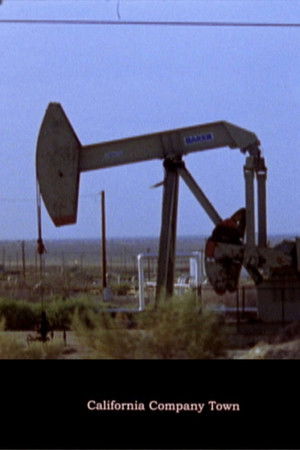
Lee Anne Schmitt explores California's landscape and past to document the history of one-time boom towns built and abandoned by the industries that necessitated their creation. Sold as a limitless land expansive with free opportunity, California was actually, from its onset, fissured by the interwoven needs of private and public interests. Schmitt's film covers various locations through time, as the major industries of the early 20th century (mining, lumber, oil) give way to the military, eventually leading to multinational corporations, and the use of small towns as satellites for growing urban metropolises.
A Documentary on the railways and their role in supporting the United States
Documentary about the emergence of the strike movement in the iron ore mines of Rudňa in Slovakia. The miner Michal Ogurčák introduced a new way of mining iron ore here, overcame initial misunderstandings, and eventually inspired 160 followers to perform striking feats by his example.
Stroje nám pomáhají
Na pomoc dolům
'The Devil's Miner' tells the story of 14-year-old Basilio who worships the devil for protection while working in a Bolivian silver mine to support his family.
Uhelný lom
Thirteen static shots of coal-fired power stations across the United States, seen in rural landscapes, urban settings, sun or cloud and at all times of year. Whatever the location or season, there’s always at least one chimney belching out fumes.
From the creators of 31 Minutos, here comes the story of a rock that didn't want to grow up...
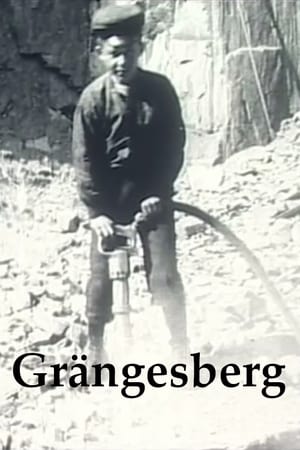
Images from Grängesberg's mines. The ore is loaded onto trains and transported to the port of Oxelösund.
Capturing Americans in communities across the country as they wrestle with the legacy of the coal industry and what its future should be under the Trump Administration. From Appalachia to the West’s Powder River Basin, the film goes beyond the rhetoric of the “war on coal” to present compelling and often heartbreaking stories about what’s at stake for our economy, health, and climate.
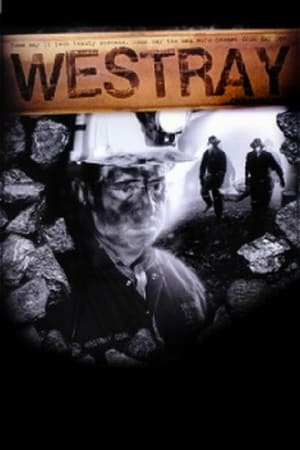
In this feature documentary, filmmaker Paul Cowan offers an innovative, moving account of the Westray coal mine disaster that killed 26 men in Nova Scotia on May 9, 1992. The film focuses on the lives of three widows and three miners lucky enough not to be underground that day when the methane and coal dust ignited. But their lives were torn apart by the events. Meet some of the working men, who felt they had no option but to stay on at Westray. And wives, who heard the rumours, saw their men sometimes bloodied from accidents and stood by them, hoping it would all turn out all right. This is a film about working people everywhere whose lives are often entrusted to companies that violate the most fundamental rules of safety and decency in the name of profit.
La Catastrophe de Liévin
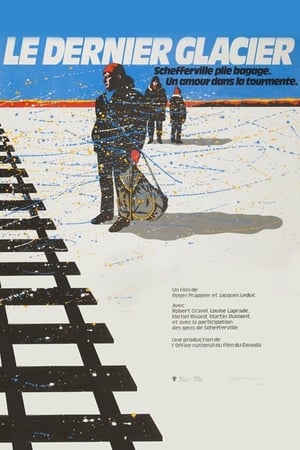
A docudrama on the closing of the town of Schefferville. When Raoul loses his job at the mine because the operations are ending, he's been settled there for ten years with Carmen and their son. They're now forced to leave the town, leaving behind the traces of an ephemeral prosperity.
Documentary about the work of members of the mining rescue station in Handlová, Slovakia.
A heartbreaking record of the thirteen-month struggle between a community fighting to survive and a corporation dedicated to the bottom line.
The mining industry, which always had been “sponsor” and “financier” of the soccer clubs in the Ruhr valley during the post-war period, doesn’t exist anymore nowadays in that form. Many of the once glorious clubs which dominated German soccer until the 1970s faded into obscurity without financial backers. The documentary “Im Westen ging die Sonne auf" ("The sun had risen in the west“) shows the history of the “Revierfußball” from after the second World War until the decline of the mining industry and recalls legendary players and forgotten clubs. The film shows especially how deeply rooted the sport was back then in the entire lifestyle of the Ruhr area - in private life as well as in society - and how structural change also left clearly visible marks in sports. With pictures from back then, interviews with contemporary witnesses, and footage of original locations nowadays, a contemporary document of German post-war history, by taking the example of soccer, has been created.
Gold fever has gripped northern Niger. In search of the precious metal, and despite the risks, an army of researchers has invaded the sites of interest. While camps are set up and dismantled as rumours of new leads spread, Moussa and his companions are banking on the Ikazan vein.
Dále a směleji vpřed