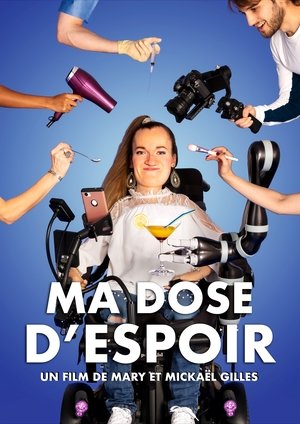
Ma dose d'espoir
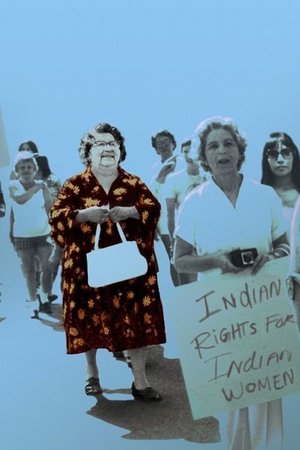
After marrying a settler, Mary Two-Axe Earley lost her legal status as a First Nations woman. Dedicating her life to activism, she campaigned to have First Nations women's rights restored and coordinated a movement that continues to this day. Kahnawake filmmaker Courtney Montour honours this inspiring leader while drawing attention to contemporary injustices that remain in this era of truth and reconciliation.
Two formidable Native American women, both chief judges in their tribe's courts, strive to reduce incarceration rates and heal their people by restoring rather than punishing offenders, modeling restorative justice in action.
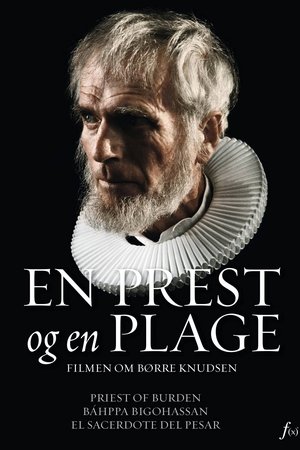
The priest Børre Knudsen is Norway's most infamous anti-abortionist, and much hated for this. He fought for his cause without thinking about the consequences for his family and his children even in the worlds most democratic country.
Journalist Shiori Ito embarks on a courageous investigation of her own sexual assault in an improbable attempt to prosecute her high-profile offender. Her quest becomes a landmark case in Japan, exposing the country's outdated judicial and societal systems.
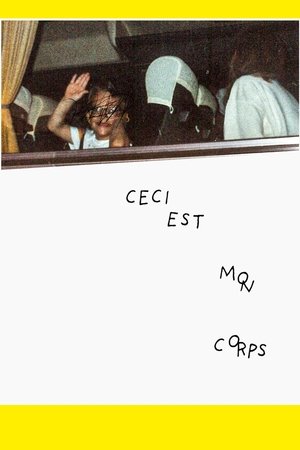
Two friends meet up to talk about themselves, about the violence perpetrated on women, the assaults they have suffered and rape as well as their own alienation. They talk about justice and repression with three lawyers.
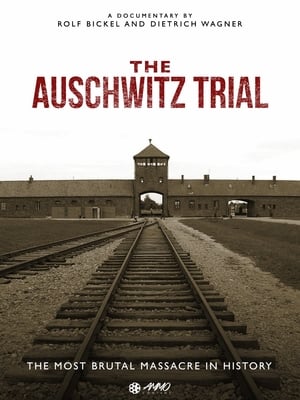
The biggest trial of Nazi war crimes ever: 360 witnesses in 183 days of trial - a stunning and gripping portrayal of the most terrible massacre in history.
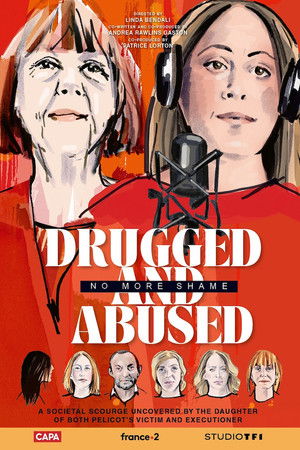
Caroline Darian, Gisèle Pelicot's daughter, looks back on the tragedy that shook her family: for ten years, her father drugged her mother to subject her to rapes committed by strangers recruited on the Internet. This case exposes the scandal of chemical submission, a practice where attackers, generally close to the victims, use prescription or over-the-counter medications to commit their crimes. This phenomenon, far from being marginal, affects victims with varied profiles...
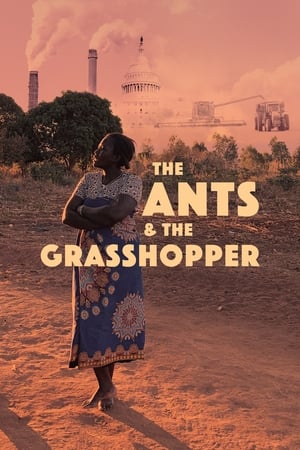
Anita Chitaya has a gift: she can help bring abundant food from dead soil, she can make men fight for gender equality, and maybe she can end child hunger in her village. Now, to save her home in Malawi from extreme weather, she faces her greatest challenge: persuading Americans that climate change is real. Traveling from Malawi to California to the White House, she meets climate sceptics and despairing farmers. Her journey takes her across all the divisions that shape the USA: from the rural-urban divide, to schisms of race, class and gender, and to the American exceptionalism that remains a part of the culture. It will take all her skill and experience to help Americans recognise, and free themselves from, a logic that is already destroying the Earth.
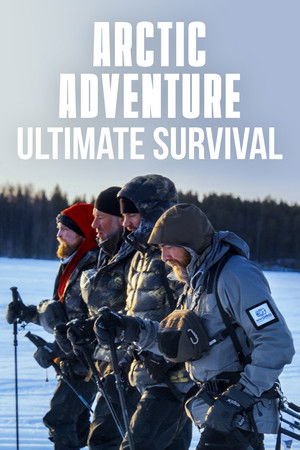
In the Arctic Circle, Jason Fox and an elite team of military veterans open up to each other about men’s mental health while taking on one of the world’s toughest ultramarathons.
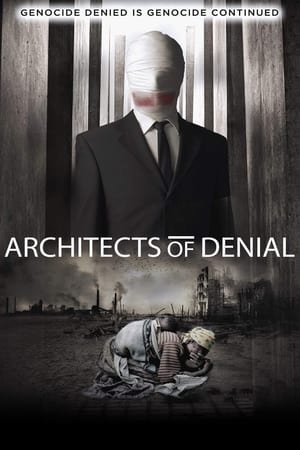
Though both the historical and modern-day persecution of Armenians and other Christians is relatively uncovered in the mainstream media and not on the radar of many average Americans, it is a subject that has gotten far more attention in recent years.
When Roger Lee slips on his front steps, he has no idea the fall will send him spiralling into the darkest chapter of his life. Injured, and drowning in despair, he hits rock bottom—until he discovers the power of his own words. Through pain, he finds purpose, turning his struggle into wisdom that inspires millions. Now, as a world-renowned speaker, he lifts others the way he once needed lifting. A raw and uplifting story of resilience, reinvention, and the unexpected ways we rise.
Jérôme was sexually abused as a child by a priest. In a deeply personal film, he tries to search for clues in his memories and come to terms with the complicity of his former social environment.
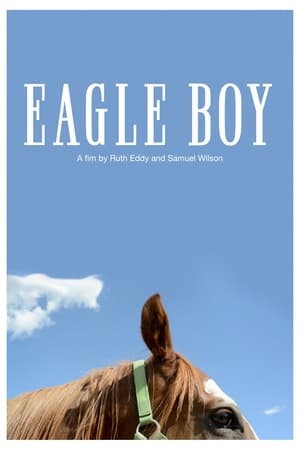
A fearless horse bonds two men to each other and to the traditions that define their community.
Justice, opportunity, connection, equity, friendship, respect, experience, community, knowledge, health, success, love – what do I, you, we…hunger for?
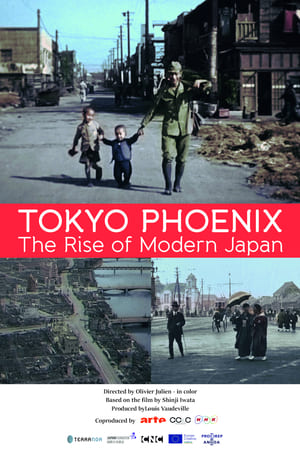
In 150 years, twice marked by total destruction —a terrible earthquake in 1923 and incendiary bombings in 1945— followed by a spectacular rebirth, Tokyo, the old city of Edo, has become the largest and most futuristic capital in the world in a transformation process fueled by the exceptional resilience of its inhabitants, and nourished by a unique phenomenon of cultural hybridization.
A moving meditation on guilt and reconciliation, Bloodlines explores the unwritten cost of war and genocide on future generations - of both victims and perpetrators. As Bettina Goering, grandniece of Nazi war criminal Herman Goering, searches for a way to come to terms with her heritage, she meets Ruth Rich, a painter and daughter of Holocaust survivors. At a time when seemingly irreconcilable divisions between groups are tearing the world apart, this deeply hopeful film is a beautiful testament to the power of dialogue and post-conflict reconciliation.
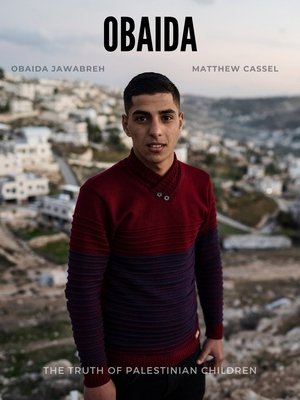
OBAIDA, a short film by Matthew Cassel, explores a Palestinian child’s experience of Israeli military arrest. Each year, some 700 Palestinian children undergo military detention in a system where ill-treatment is widespread and institutionalized. For these young detainees, few rights are guaranteed, even on paper. After release, the experience of detention continues to shape and mark former child prisoners’ path forward.
Chêne de vie : l'amour aux temps du cancer
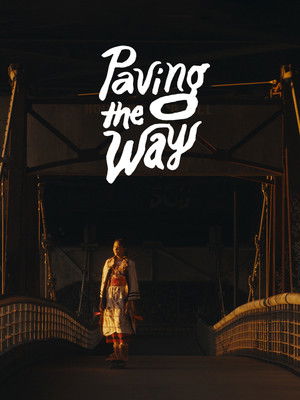
Set against the sweeping landscapes of the Flathead Indian Reservation, the film highlights skateboarding’s power to build community, foster confidence, and challenge stereotypes. More than a skateboarding film, it becomes a vibrant portrait of young people who get back up every time they fall.