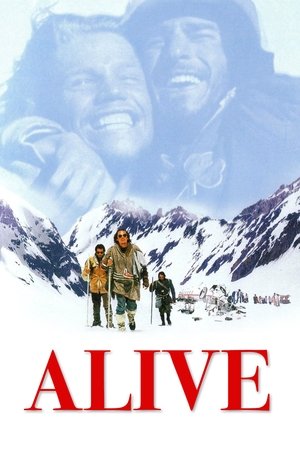
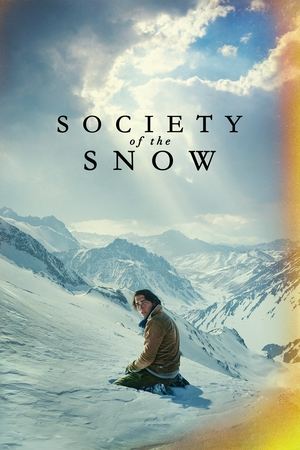
The amazing true story of a Uruguayan rugby team's plane that crashed in the middle of the Andes mountains, and their immense will to survive and pull through alive, forced to do anything and everything they could to stay alive on meager rations and through the freezing cold.
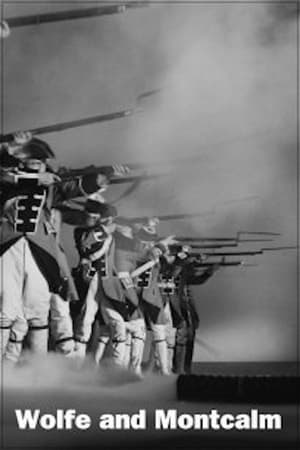
Two generals prepare for battle at the Plains of Abraham.
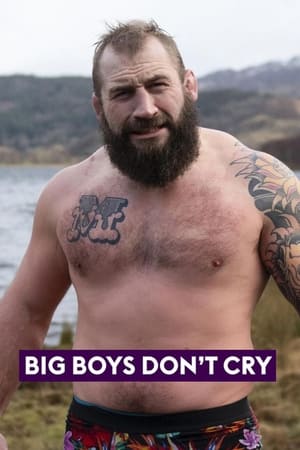
Big Boys Don't Cry' follows Joe Marler as he discusses his own struggles and learns new methods of managing mental wellbeing. The England and Harlequins player has opened up about his battles with mental health during his private life and his time playing rugby on the international stage. The documentary follows Marler as he travels around the UK to open up the conversation around mental health challenges and to learn about how people manage with their mental wellbeing - from taking the plunge in cold water swimming and getting involved in singing in a choir along the way.
The disastrous first combat patrol of the K-19, the Soviet Union's first atomic-powered nuclear missile submarine.
On October 13, 1972, Uruguayan Air Force Flight 571, chartered to take a rugby team to Chile, crashes into a glacier in the heart of the Andes.
The story of the first black South African rugby captain who against all odds led the South African national team to win the 2019 World Cup Rugby and in turn unites the country.
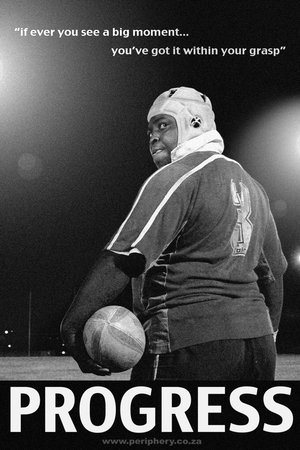
The film follows the rugby season of Uitenhage prop forward Zama Takayi - who plays for Progress Rugby club, the club that amalgamated the black clubs of the Uitenhage area in the early 90’s.
Two well-known Quebec artists (filmmaker Jacques Godbout and playwright René-Daniel Dubois) look at the Battle of the Plains of Abraham. Whose version of this historic event should prevail? Is history best served by documentary or fiction? We also meet Baron Georges Savarin de Marestan and Andrew Wolfe-Burroughs, direct descendants of Montcalm and Wolfe, both of whom died in the battle that would give birth to Canada and to the province of Quebec.
The Three Musketeers is a legendary work, whose heroes have rocked multiple generations. These fictional musketeers have eclipsed the real musketeers, those who formed the royal company that existed between 1622 and 1775. Who were these men, and how did they serve the King? Did they really take part in the affairs of the Crown? Did Athos, Porthos, Aramis and D'Artagnan really exist? Thanks to the best historians, discover the true story of the Musketeers.
This short film takes viewers on a whirlwind tour of the history of air combat, from World War I through the Vietnam War. It was produced by General Dynamics sometime prior to 1990 and re-released by Lockheed Martin in the mid-nineties. As a promotional short for the F-16 Fighting Falcon, the film reviews the development of aerial combat to place the F-16 in historical context. Informational narration is supplemented with snippets from interviews of top fighter aces. The aces focus on the characteristics that make great fighter pilots and great fighter aircraft. The interviewees include World War I ace W.C. "Bill" Lambert; World War II aces Douglas Bader, Stanford Tuck, Adolf Galland, Erich Hartmann, Gabby Gabreski, Tex Hill, and Svein Heglund; Korean War ace Ralph Parr; and Vietnam War ace Steve Ritchie. The film includes historical footage and stills, along with opening and closing segments briefly featuring the F-16 Fighting Falcon.
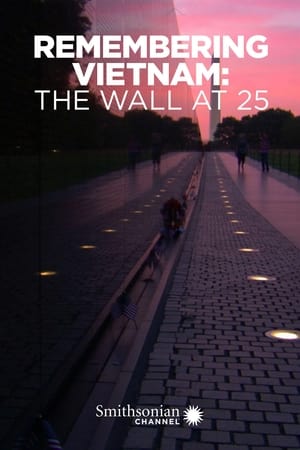
Looking back on the creation of the Vietnam Memorial, this Emmy-nominated documentary chronicles the controversy surrounding the monument's construction and touches on the history of the polarizing war that inspired it. Fueled by the vision of Vietnam veteran Jan Scruggs and brought to life by then-fledgling designer Maya Lin, the memorial would eventually become the nation's most visited monument. But its success was a hard-fought victory.
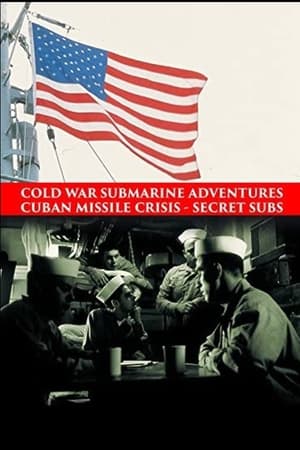
Explore the events of the 1962 Cuban Missile Crisis and hear from some of the actual participants in this riveting program. After an American naval blockade intercepted Soviet submarines on a secret mission to set up a military base in Cuba, the two nations engaged in a tense standoff that led the world to the brink of nuclear war. Submariners from both sides talk about the conflict, and viewers get a look inside their subs and the U.S. war room.
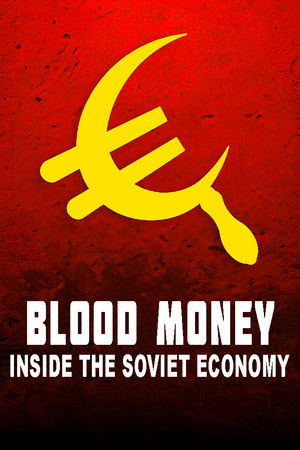
How did the USSR - a country considered a second-rate industrial power, economically inferior to Germany, the USA and the UK - shape its victory over the armies of Hitler's regime, and secure its place among the winners?
Dødsmarsjen 1719
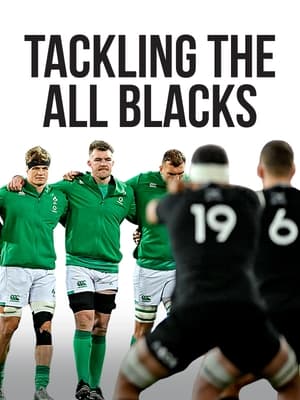
Before the summer of 2022, Ireland had never beaten the All Blacks in New Zealand. Using behind the scenes footage and interviews with players and coaches this documentary reflects on the experience of triumphing in New Zealand for the first time.
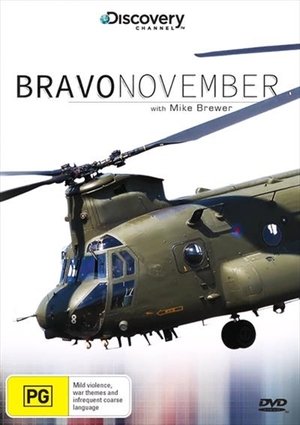
Mike Brewer sets off on a journey of discovery to find out the story of one of the most remarkable aircraft in the British Armed Forces: a Chinook helicopter code named Bravo November. By doing so he examines the invaluable contribution that these helicopters have made to campaigns from the Falklands War to modern day British Military service over the past thirty years.
A gripping film chronicling Māori in a defiant struggle against systemic racism and colonial injustice to reclaim their fishing rights. Through resilience and legal strategy, they secured their place in the industry, marking a landmark victory for Indigenous sovereignty. Thirty years later, the fight for equity and environmental stewardship continues.
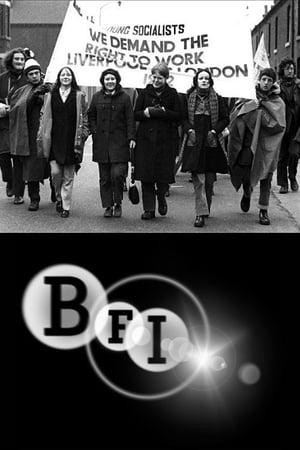
They're young, unemployed and on the march - from Glasgow, Liverpool and Swansea to London.
Au cœur du volcan
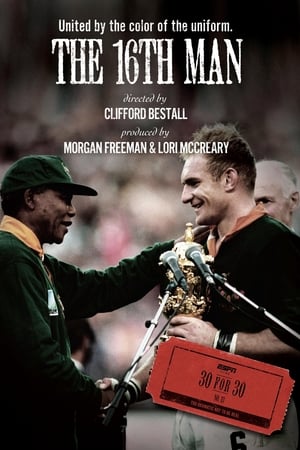
Rugby Union has long been viewed in South Africa as a game for the white population, and the country’s success in the sport has been a true source of Afrikaner pride. When the 50-year-old policies and entrenched injustices of apartheid were finally overthrown in 1994, Nelson Mandela’s new government began rebuilding a nation badly in need of racial unity. So the world was watching when South Africa played host to the 1995 Rugby World Cup. Though they had only one non-white player, the South African Springboks gained supporters of all colors as they made an improbable run into the final match where they beat the heavily favored New Zealand team. When Mandela himself marched to the center of the pitch cloaked in a Springbok jersey and shook hands with the captain of the South African team, two nations became one. Oscar winner Morgan Freeman and director Cliff Bestall will tell the emotional story of that cornerstone moment and what it meant to South Africa’s healing process.