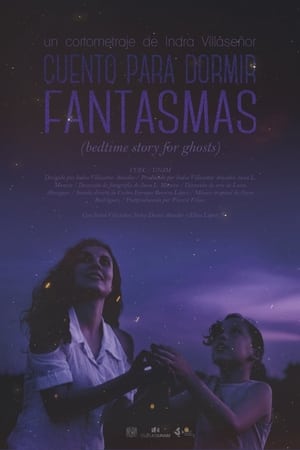
Three generations of women return to the old family home in Sinaloa to confront the ghosts of their past. Our story, wherever we begin to tell it, begins with a broken heart.
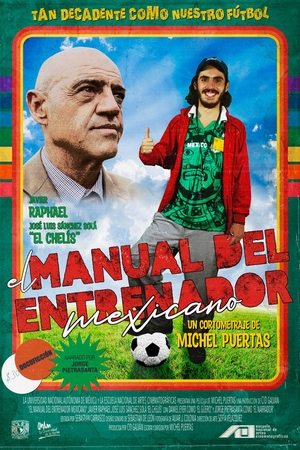
In this comedic docufiction, Javier (Javier Raphael) is a young man who has always wanted to be a football coach like his idol “El Chelís” (José Luis Sánchez Solá), but has never done anything to fulfill his dream. Now, guided by a nosy narrator (Jorge Pietrasanta), he will look for some of the most unorthodox amateur football coaches in Mexico, and for his beloved "Chelís", so that each one can give him lessons until he is fully trained to manage a match and thus become a true "Mexican football coach".
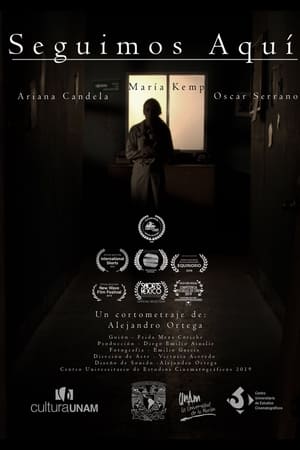
Ana and Claudia get trapped in a bathroom during the military occupation of the university. Claudia is caught by a soldier, leaving Ana alone for days in the bathroom, trying to survive and find hope. Based on the experiences of Alcira Soust during the military occupation of Ciudad Universitaria during the movements of 1968.
Chanting saved Domitila from a deadly fever. From that moment on, she started using her voice as a spiritual bridge to pray for the souls of the dead in her native town: San Miguel Pocitos, Puebla.
One morning, Leonardo Galicia wakes up with a dull pain and an intense fever. After a pandemic experience that made him aware of his mortality, the last thing Leonardo expected was an HIV-reactive result. The illness caused by the virus takes hold of Leonardo's body and forces him to take an indefinite break while recovering in a hospital. There, he meets a mysterious young man, Augusto. By sharing common thoughts, hopes, and dreams, the two will find refuge in each other's arms.
An open invitation to look at the sky.
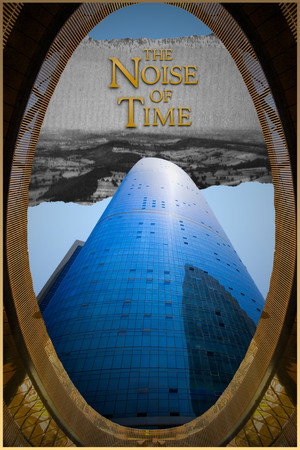
In present-day Monterrey, three downtown musicians confront the urbanization of the city as they perform Fara Fara pieces in search of clients.
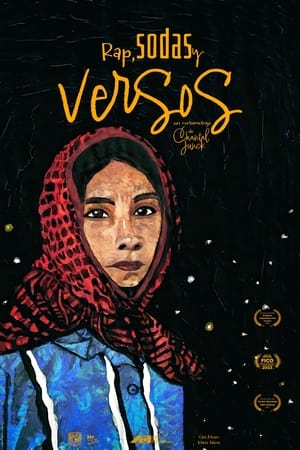
One song traces a pathway from oral poet and Mazatec shaman Maria Sabina's tradition to Mazatec rapper Xéti NdáJnio and Medicine woman Zara Monrroy, also a poet, rapper and dancer from the Comcaac Nation. Two stories of indigenous rappers struggling to sing in their mother tongue.
«All my mom’s teeth fell out, I’m only going for about three months and I return» was what Pancho dreamed of fulfilling when he crossed the US border without papers, but an accident during the trip transformed his life and his aunt Margarita.
Documentary that explores the value of play and the ways we learn by playing through testimonies of mexican game developers.
In the town of Xoco, the spirit of an old villager awakens in search of its lost home. Along its journey, the ghost discovers that the town still celebrates its most important festivities, but also learns that the construction of a new commercial complex called Mítikah will threaten the existence of both the traditions and the town itself.
Miguel Castañeda, a mexican scientist, tells the story of his stolen glory in his past as a migrant in the US, as well as all the obstacles he faces in his quest for justice upon his return to Mexico.
Art is a freedom for those who make it and for those who look at it. A freedom that ends when the violence starts. In Mexico, every day eleven women are murdered and in more than ninety percent of the cases impunity prevails. Through the testimony of seven women, this documentary essay reflects on femicide and the destruction that this leaves a country and its culture. Because in times of horror, art cannot be the same, every time a woman is murdered, a museum or a library collapses in the world.
Since Rosa was little, people used to say around town that her grandfather was a black dog. The legend, belonging to the Valley of Oaxaca, spoke of a man who had the ability to turn into a black dog and roam the streets at night. Through images of the town, interviews with the brothers and animated interventions, the documentary tells the story of the myth and its importance in the collective memory.
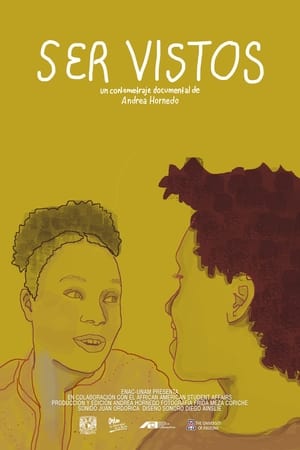
A group of African American students at the University of Arizona reveals the importance of political spaces within Universities in times of intolerance.
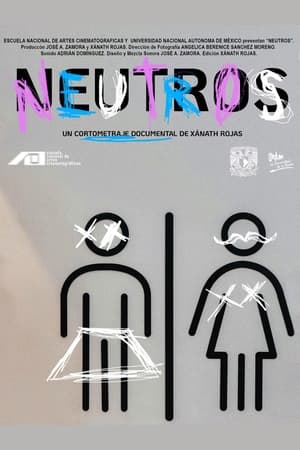
In this documentary, we learn about five stories that converge at the same point, the bathroom. Each bathroom tells the story of its inhabitant.
Effort to construct an audio-visual dance between the body of an 90-year old man and the body of his house, that has become an extension of himself.
Through a choral diversity of testimonies, the documentary explores the myth of the axolotl, transporting us from the story of a chinampero whose lifestyle reflects the environmental decay of Mexico City, to the efforts of a group of scientists racing against the consequences of the extinction of our symbols and ecological heritage.
A film essay that explores the relationship between film and memory, based on the personal memoir of the director. An autobiographical attempt to analyze this relationship going from the individual to the collective. From Chris Marker to Hitchcock and on to Kennedy´s assassination, passing through Fritz Lang and Bruce Willis, the memory of the images is fused with our own story, until they cannot be separated.
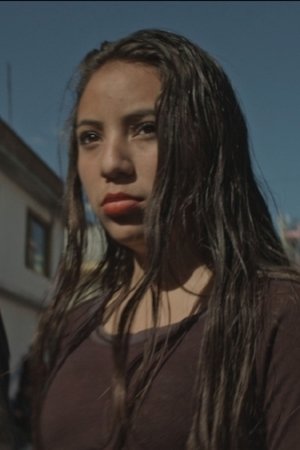
Rebeca and Isabel are two teenage girls living in Ecatepec, Mexico State. They know all about the problems of gender violence and crime that afflict their hometown, but they have a solution.