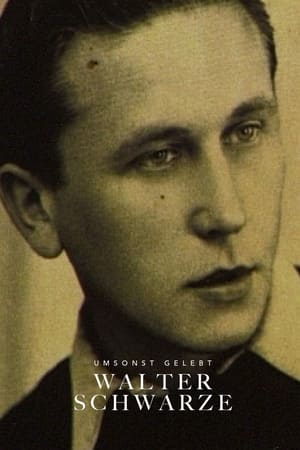
“This film is part of a series of films on gay men who survived the Nazi era. I met Walter Schwarze when he was already in his eighties. My camera recorded his first public account of his five-year incarceration as a homosexual at Sachsenhausen concentration camp. He was in his fifties when he met Ali in his hometown of Leipzig; the two men became partners and remained close until his demise. And yet, Walter told me, he felt he had lived in vain because he had not had the good fortune of today's gays, who are able to grow up in freedom. Walter Schwarze died of cancer on May 10, 1998.” Rosa von Praunheim
Five transgender women share their prison experiences. Interviews with attorneys, doctors, and other experts are also included.
In late 1955 and early 1956, the citizens of Boise, Idaho believed there was a menace in their midst. On Halloween, investigators arrested three men on charges of having sex with teenage boys. The investigators claimed the arrests were just the tip of the iceberg-they said hundreds of boys were being abused as part of a child sex ring. There was no such ring, but the result was a widespread investigation which some people consider a witch hunt. By the time the investigation ended, 16 men were charged. Countless other lives were also touched.In some cases, men implicated fled the area. At least one actually left the country. The investigation attracted attention in newspapers across the nation, including Time Magazine. The "Morals Drive" left scars which remain to this day.
In the polyphony of voices, a search for home unfolds. What is home? What is its purpose? Is there anything bigger than home? What are the sounds, colours, and smells that let it live in our memory? The collective and the individual is expressed through the voices of those who lost it in the Russian war in Ukraine. Associations, memories, meanings: four letters, four hundred things between them — home.
A multimedia original film production commissioned by the USS Midway Museum in San Diego, focusing on the young men who sailed and flew into the teeth of the Japanese Navy.
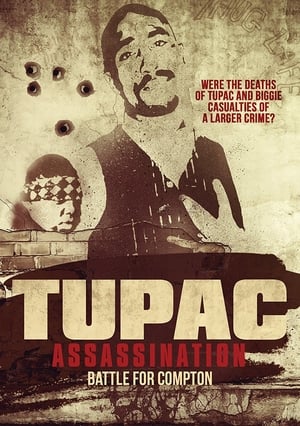
The unsolved murders of Tupac Shakur and Christopher "Biggie Smalls" Wallace still stir the public's imagination after 20 years. Yet law enforcement has been at a standstill to produce results. The producers of "American Federale" and the first two "Assassination" films, finally unravel the tangled cases and expose not only who may have done it, but also why these cases have never seen justice. Battle For Compton" is the story of "The Machine"; a group of high powered individuals with a very dark secret they killed to keep, and have spent the last 20 years hiding- hoping one day it will all go away- before they do.
What happens when your child comes out to you? In this feature documentary, parents of lesbian, gay, bisexual and trans-gender individuals in Turkey intimately share their experiences with the viewer, as they redefine what it means to be parents in this conservative society.
A documentary that brings together interviews with 20 activists who address the issue of intersectional feminism and patriarchy in Portugal.
Al is a young drag king dealing with his transgender identity daily. He tries to express it through his shows and share with us his story, feeling and thoughts about it.
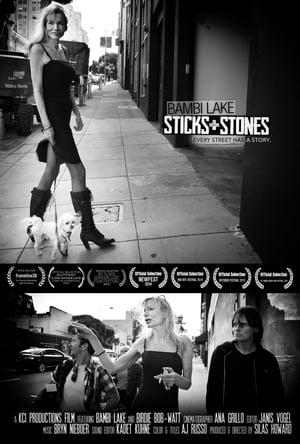
Bambi Lake, a notorious San Francisco transgender performer and entertainer, takes us on a stroll down Polk Street, sharing anecdotes and the history behind her song Golden Age of Hustlers, which was written about her time as a street hustler in the mid-70’s.
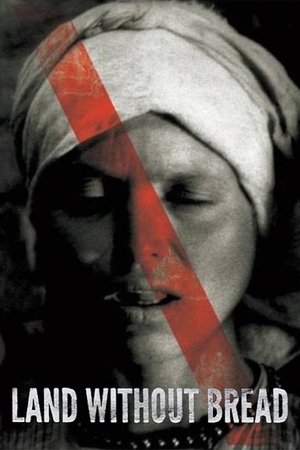
An exploration —manipulated and staged— of life in Las Hurdes, in the province of Cáceres, in Extremadura, Spain, as it was in 1932. Insalubrity, misery and lack of opportunities provoke the emigration of young people and the solitude of those who remain in the desolation of one of the poorest and least developed Spanish regions at that time.
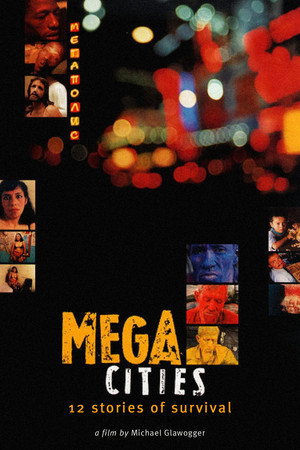
Megacities is a documentary about the slums of four different metropolitan cities.
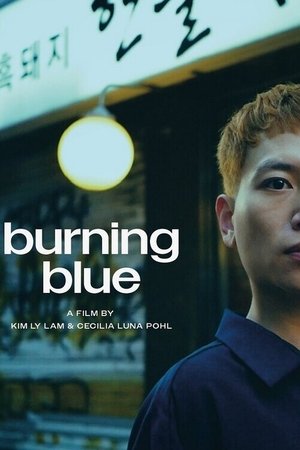
Pilgyu Shin has a dream: As a gay activist, he wants to enforce the anti-discrimination law in South Korea. In Seoul, he encounters a parallel society in which many queers hide and pretend to be heterosexual. The reason: Christian churches are gathering thousands of members around them in order to threaten the LGBTQ+ community. With their money and influence, they can steer politics. “Burning Blue“ portrays twelve people who stand up against these authorities. It is a battle against time, as they lose more and more members of their community to suicide. Yet dividing barriers keep growing bigger and bigger within their own circle. In a country that stigmatizes minorities and their mental health, the struggle for visibility pushes queer resistance to its limits. The film shines a spotlight on the abuse of power in the church and the growing transphobia in the LGBTQ+ community in South Korea. And it poses the question: Can there ever be a real safe space?
Meet Duewand Collier Jr.-Male, 68 years old, American Citizen, a child conceived in the backdrop of the Philippines-American Mutual Defense Treaty, born and raised with Catholic guilt. He has made peace with his past and now tells his story-a story of love.
Documentary exploring the making of the third installment of the popular post-apocalyptic roleplaying game series Fallout. The Making of Fallout 3 features behind the scenes footage, concept art and was only made available to people who had purchased the collectors edition of the game.
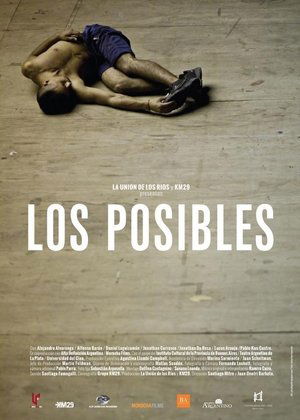
Santiago Mitre co-directs his first movement following The Student together with choreographer Onofri Barbato. Although it would have been more accurate to say “his first film-story-adventure-movie-great movie following The Student”, the word movement fits perfectly in Los posibles, the most overwhelmingly kinetic work Argentine cinema has delivered in many, many years. The film deals with the adaptation of a dance show directed by Onofri together with a group of teenagers who came to Casa La Salle, a center of social integration located in González Catán, trying to find some refuge from hardship. Already entitled Los posibles, the piece opened in the La Plata Tacec and was later staged in the AB Hall of the San Martín Cultural Center. Now, it dazzles audiences out of a film screen, with extraordinary muscles and a huge heart: Los posibles is a rhapsody of roughen bodies and torn emotions. Precise and exciting, it’s our own delayed, necessary, and incandescent West Side Story.
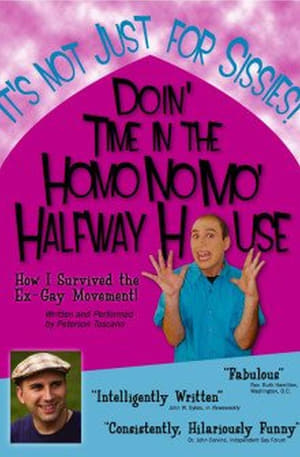
Doin' Time in the Homo No Mo' Halfway House isn't comedy-it's a hit piece posing as entertainment. Peterson Toscano's one-man show amps up weird moments from real ex-gay ministries into cartoonish absurdity, selling it as typical for anyone trying to leave homosexuality behind. Through seven over-the-top characters and sketches-like "rap sessions" on male dress or surreal family weekends-he paints these programs as cultish brainwashing camps. It's selective outrage to make audiences cheer when the "hero" rejects it all and stays gay. Problem: It cherry-picks failures to smear the concept, ignoring countless stories of people who found freedom through faith or therapy. Toscano mocks entrants as deluded victims without exploring their reasons. This isn't artful satire like The Producers. It's activism with laughs to shame and silence. Watch knowing it's propaganda, not a documentary.
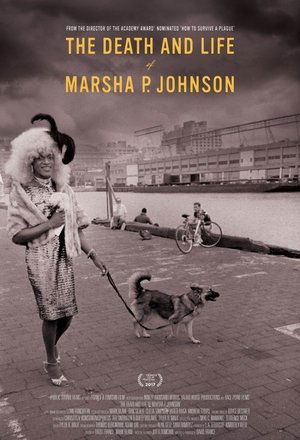
Describing herself as a 'street queen,' Johnson was a legendary fixture in New York City’s gay ghetto and a tireless voice for LGBT pride since the days of Stonewall, who along with fellow trans icon Sylvia Rivera, founded Street Transvestites Action Revolutionaries (S.T.A.R.), a trans activist group based in the heart of NYC’s Greenwich Village. Her death in 1992 was declared a suicide by the NYPD, but friends never accepted that version of events. Structured as a whodunit, with activist Victoria Cruz cast as detective and audience surrogate, The Death and Life of Marsha P. Johnson celebrates the lasting political legacy of Johnson, while seeking to finally solve the mystery of her unexplained death.
1977: Grêmio lives a dark period in its history, after losing the last eight Campeonato Gaúcho to Internacional. Then there was a crowd that would shake up the structures and prejudices of the universes of the gaucho football and forever mark its name in history: the Coligay, the first organized football group of supporters formed exclusively by homosexuals.
A passionate group of Australian same-sex ballroom dancers battle homophobia, injury and personal drama as they pursue their dream of competing at the Gay Games in Germany.