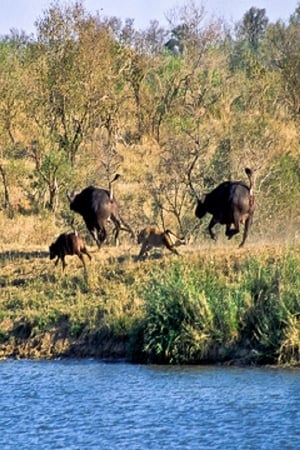
An eight-minute amateur wildlife video that depicts a confrontation between a herd of Cape buffalo, a small group of young lions from a pride, and one crocodile.
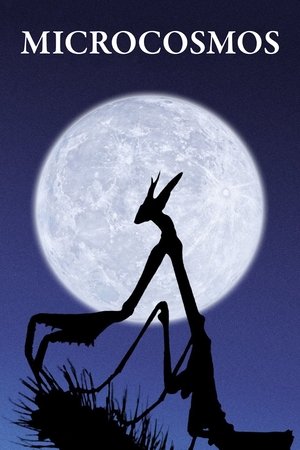
A documentary of insect life in meadows and ponds, using incredible close-ups, slow motion, and time-lapse photography. It includes bees collecting nectar, ladybugs eating mites, snails mating, spiders wrapping their catch, a scarab beetle relentlessly pushing its ball of dung uphill, endless lines of caterpillars, an underwater spider creating an air bubble to live in, and a mosquito hatching.
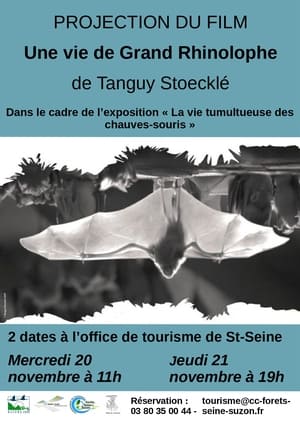
There is a fabulous colony of Greater Horseshoe Bats in the heart of the Camargue. This species of bat is one of the most amazing. A true little clown equipped with the very latest biological technologies, the Greater Horseshoe Bat is as rare as it is mysterious. "The life of a Greater Horseshoe Bat" invites you to share the life of a young female and her mother, for better or for worse...
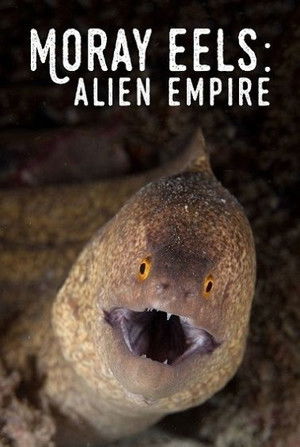
Wildlife filmmaker Sigurd Tesche delves into the mysterious world of the moray eel to reveal the secrets of this supreme underwater predator and the truth behind its ugly reputation.
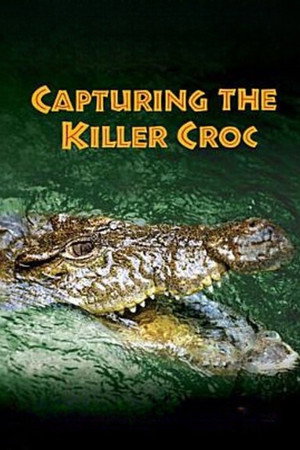
Over a 10-year period, more than 300 people disappeared from the area surrounding Tanzania's Lake Tanganyika. At first, the disappearances were attributed to a serial killer or tribal warfare, but scientists eventually discovered that the culprit was a huge, man-eating crocodile dubbed "Gustave." This fascinating PBS documentary chronicles scientists' efforts to trap Gustave and move him to a nature preserve before he strikes again.
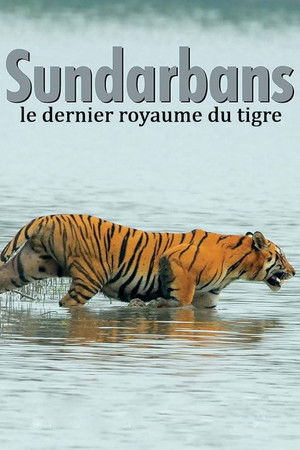
Sundarbans, le dernier royaume du tigre
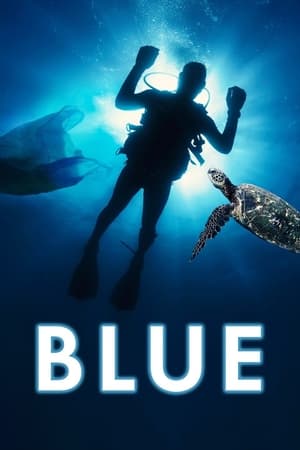
From space, our planet appears as a tiny blue dot in the vastness of space. Blue, because 99% of all living space on Earth occurs in the Ocean. But the seas are under threat. The industrialization that has occurred in the oceans over the last century mirrors the events that triggered mass extinctions on land. As we learn of the ecological crimes occurring worldwide, we also uncover the shocking truths happening on our own shorelines.
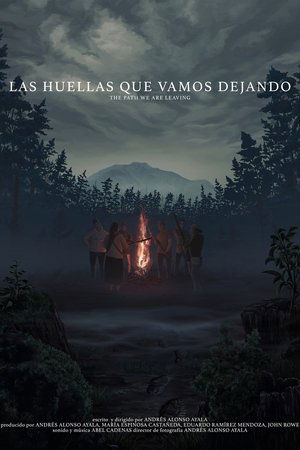
Forest and community guards face insecurity and clandestine logging in their community.
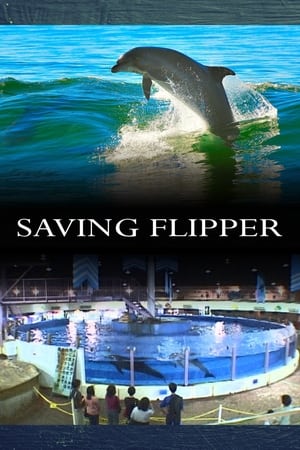
Our love affair with dolphins began with 'Flipper' and ended in a multi-million dollar industry of abuse. From the dazzling sea shows where dolphins are driven to suicide, to an annual dolphin slaughter in a small cove in Japan, 'Saving Flipper' reveals the nightmare behind the dolphin's indelible smile.
This documentary tells the story of the inimitable kea. The 'Clown of the Alps' is heralded as the world’s smartest bird (its intelligence rivals a monkey’s). Kea are famous on South Island tracks and ski fields for their insatiable (and destructive) inquisitiveness. Curiosity almost killed the kea when it was labelled a sheep killer, and tens of thousands were killed for a bounty. After shots of baby kea being fed, there is extraordinary night footage in clip four of the 'avian wolf' in action. The award-winning film makes a compelling case for the charismatic kea as a national icon.
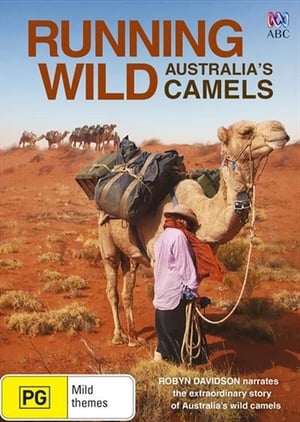
Robyn Davidson, famous for her solo expedition across the west Australian deserts by camel in the 1970s, presents this documentary telling the story of Australia's camels and the people who brought them here.
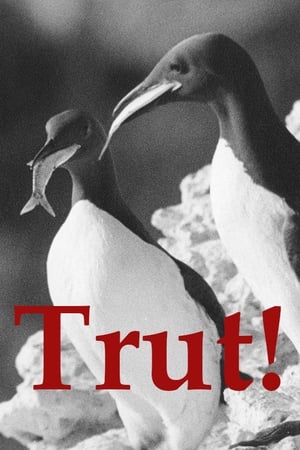
Arne Sucksdorff’s short documentary observes gulls raiding nests and stealing eggs with ruthless persistence. Though presented as pure nature study, the film was widely read as an allegory of Nazism—a symbolic parable of predation and violence during wartime. Sucksdorff himself denied such intent, but remarked that “a film that is not open to interpretation is a dead film.”
A ten-minute study of wild animal life in a Swedish forest; stoat, fox, hare, and owl, who stalk and savage one another, are photographed with extraordinary vividness and intimacy. It is perhaps the most striking of Sucksdorff's animal studies, in spite of an abrupt introduction and ending.
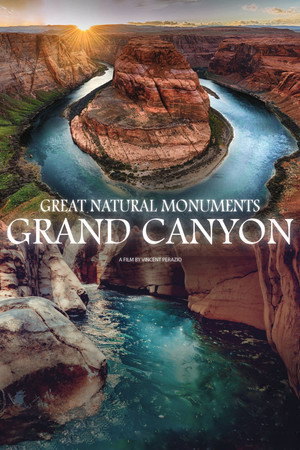
The Grand Canyon is a breathtaking natural monument. It's one of the planet’s best-known landscapes, yet we often forget that it tells two billion years of the Earth's history. Geologists Karl Karlström and Laurie Crossey are the leading experts on this. Over the course of 8 days, they descend the Colorado river and tackle hundreds of rapids to unveil the mysteries held in the Grand Canyon, and the place that humans occupy within it.
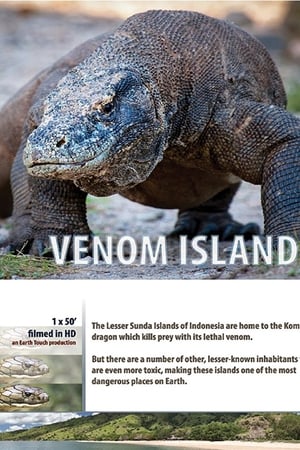
Venom expert Dr. Bryan Fry embarks on a dangerous island journey to uncover the deadly secrets of vipers, stonefish and the formidable Komodo dragon.
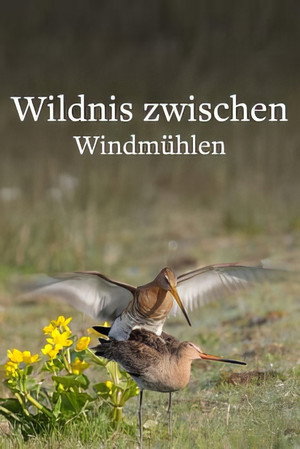
The documentary embarks on a fascinating journey of discovery through the Alblasserwaard, revealing the wild side of this classic and idyllic Dutch landscape as the seasons change, as well as the astonishing number of animal species that have benefited from the legacy of windmills.
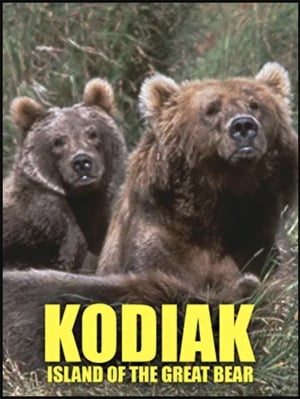
Kodiak Island in the Gulf of Alaska is home to the largest bear on earth, the Kodiak Bear. At least 2,500 bears live on the island and the animal is regarded as the world’s biggest land predator, reaching an impressive four meters in height when standing on its hind legs. Film maker Stefan Quinth spent three years filming the Kodiak Bear and the wildlife of Kodiak Island. His film is a dramatic story about bear and salmon, beavers and eagles. But it is also a film about the thrill of meeting the giant bear eye to eye in its natural habitat.
An experience of a camera swinging in different gestures facing the optical distortion of the Sun. The last appearance of the smudge.
Shot on the Great Barrier Reef in Australia and in the Bahamas, Ocean Wonderland brings to you the amazing beauty of the many varieties of coral and the immense diversity of the marine life thriving there.
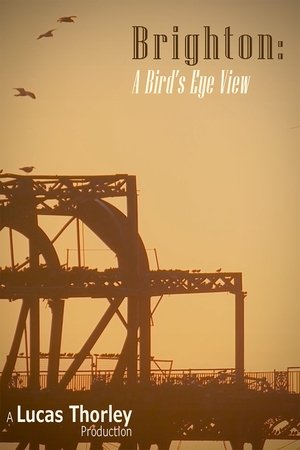
Bird's are often considered 'rats of the sky'. That's just not true. A short documentary on the Birds of Brighton.