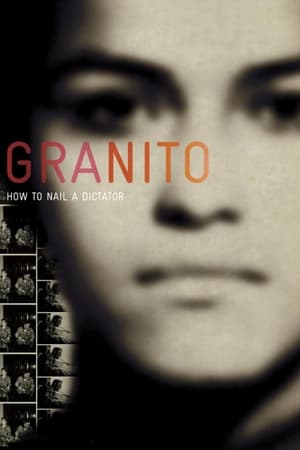
A documentary on the war between the Guatemalan military and the Mayan population, with first hand accounts by Nobel Peace Prize winner Rigoberta Menchú.
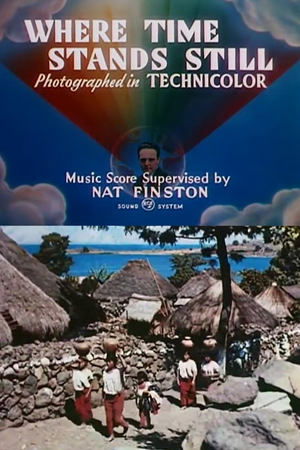
This Traveltalk series short visits the village of Chichicastenango, Guatemala and emphasizes the influence of the Mayan culture on its people. It shows how the residents intermingle ancient religious practices with Catholic teachings. Narrator James FitzPatrick introduces, and greets on camera, Father Ildefonso Rossbach, a Catholic priest who ministers to the local population in the village and outlying areas.
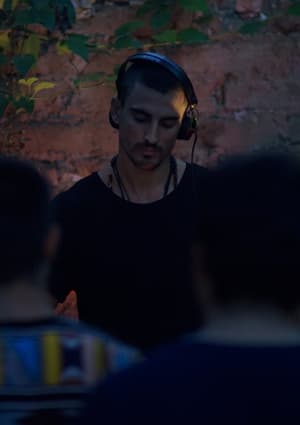
The Tipo Tranquilo parties arose from the initiative of three friends (Gabriel, Erick and Alejandro), who were looking for something different in the Guatemalan electronic scene. He realized several factors that affected deejays and true music lovers, for that reason they started this movement of having various parties in different places. Inviting friends in a hidden way, without much publicity, they can only be reached through a map.
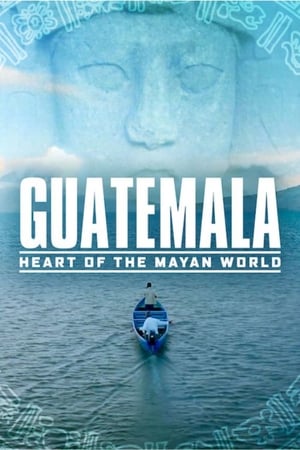
From Sierra de las Minas to Esquipulas, explore Guatemala's cultural and geological wealth, including ancient Mayan cities and other natural wonders.
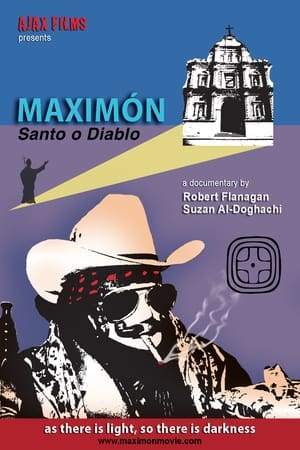
MAXIMÓN - Devil or Saint is a documentary about the controversial Maya deity, also known as San Simon or the drinking and smoking saint of Guatemala. He is a mixture of ancient Maya beliefs and Christianity. The movie concentrates on the people who surround Maximón with their strong personalities, opinions and faith. The documentary gives us a rare view into the rituals and fiestas honoring Maximón. The cult of Maximón is flourishing because he performs miracles. He is also feared and despised because he is used to cast curses that can result in death. Ultimately, Maximón transcends the duality of good and evil, reflecting the Maya cosmovision in which everything in the universe co-exists.
Told almost entirely without spoken words, this film unfolds in the language of its subjects: Guatemalan Sign Language. In a country where more than 850,000 Deaf people receive little institutional support, silence becomes both a barrier and a form of connection. Through classrooms, homes, and everyday life, the film observes a community building its own means of understanding and belonging. Among those leading the way are Melkin, Dairy, and Jonathan, the teachers, students, and leaders within Guatemalan Deaf Ministries, where the language of hands has become the language of hope.
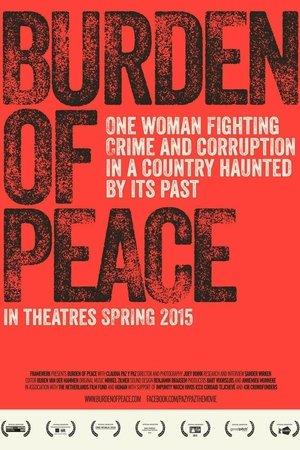
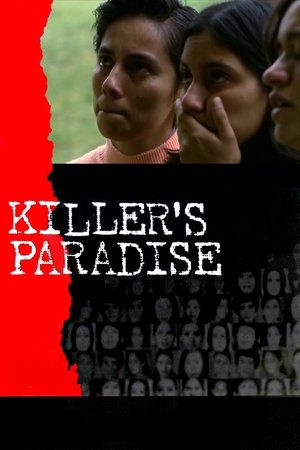
Claudia Paz y Paz is the head of the Guatemalan Public Prosecutor’s Office. We follow her during her four-year mandate as the Attorney General of one of the world’s most dangerous countries. This documentary closely observes her attempts to break the downward spiral of a society where drug cartels, corruption and violence have become part of daily life. She manages to improve the country’s safety and justice issues but is met with much resistance. Her commitment to the rule of law is her strength as well as her destiny. At what price do four years of service as the Attorney General of Guatemala’s murder paradise come?
From the shadows of a Guatemalan neighbourhood scared into silence, two sisters lead a luminous rebellion—unleashing joy, art, and radical truth in a fight for survival.
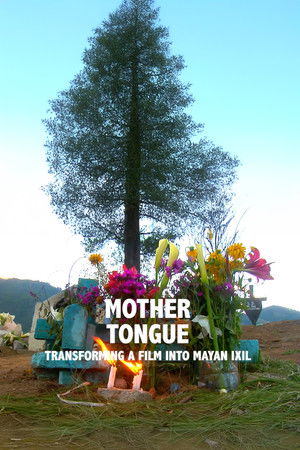
"Mother Tongue" chronicles the first time a documentary film about Guatemalan genocide in Guatemala was translated and dubbed into Maya-Ixil—5.5% of whom were killed during the armed conflict in the 1980s. Told from the perspective of Matilde Terraza, an emerging Ixil leader and the translation project’s coordinator, "Mother Tongue" illuminates the Ixil community’s ongoing work to preserve collective memory.
Five Years North is the coming-of-age story of Luis, an undocumented Guatemalan boy who just arrived alone in New York City. He struggles to work, study, and evade Judy - the Cuban-American ICE officer patrolling his neighborhood.
Every day dozens of decommissioned school buses leave the United States on a southward migration that carries them to Guatemala, where they are repaired, repainted, and resurrected as the brightly-colored camionetas that bring the vast majority of Guatemalans to work each day. Since 2006, nearly 1,000 camioneta drivers and fare-collectors have been murdered for either refusing or being unable to pay the extortion money demanded by local Guatemalan gangs. LA CAMIONETA follows one such bus on its transformative journey: a journey between North and South, between life and death, and through an unfolding collection of moments, people, and places that serve to quietly remind us of the interconnected worlds in which we live.
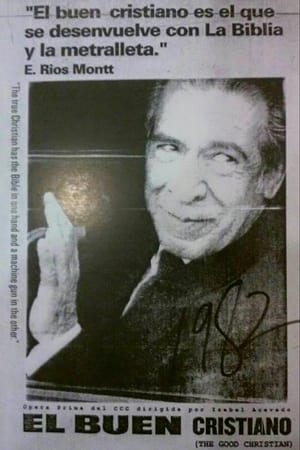
In 1979 José Efraín Ríos Montt became a reborn Christian. He was offering a sermon when a group of soldiers burst into his Christian school, and asked him to lead a military coup in 1982. Francisco Chavez Raymundo and his sister were small children when Rios' political actions annihilated their community. In March, 2013 the lives of Francisco Chavez and Rios Montt converge in the same space. Rios is called upon to testify before Guatemalan justice and is confronted by a group of Mayan Ixiles, orphans and widows of the war, Francisco is one of them.
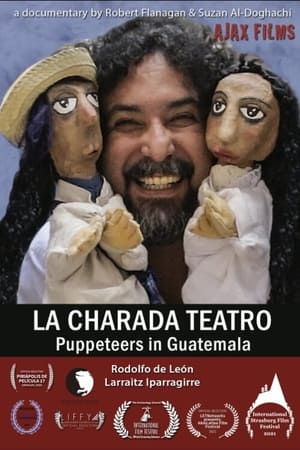
A joyous Guatemalan film about the magic and charm of puppetry. This documentary follows the charismatic artists as they make their puppets and perform. Both humorous and socially aware, their themes are drawn from classic stories, local legends and history.
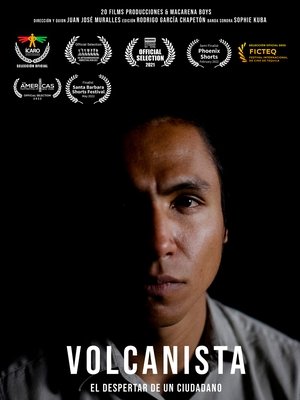
A story of destinies joined by Guatemala's past, and how a documentary film intertwined with a nation's turbulent history emerges as an active player in the present.
We begin this short visit to Guatemala at the port town of Livingstone, then journey up the Rio Dulce. We stop to watch men tap the trees, harvest the sap, and load the product onto small planes. At a local market, we see indigenous life much as it's been for hundreds of years. Then it's back to the coast, to the prosperous Isla de Flores, a trading island.
This FitzPatrick Traveltalk short visits Guatemala City, touching upon its sights, customs, and history.
From a historic genocide trial to the overthrow of a president, the sweeping story of mounting resistance played out in Guatemala’s recent history is told through the actions and perspectives of the majority indigenous Mayan population, who now stand poised to reimagine their society.
Mayan Renaissance is a feature length film which documents the glory of the ancient Maya civilization, the Spanish conquest in 1519, 500 years of oppression, and the courageous fight of the Maya to reclaim their voice and determine their own future, in Guatemala and throughout Central America. The film stars 1992 Nobel Peace Laureate and Maya Leader Rigoberta Mencu Tum. All of the images, voices, expert commentary and music in the film come directly from Central America, the heart of the Mayan World.
A powerful three-part documentary studying the US involvement in Guatemala, El Salvador and Nicaragua. The differing factions - Sandinista leaders, Guatemalan campesinos, CIA operatives, Contras and US government apologists - are interviewed and, in the absence of a controlling narration, the audience is encouraged to draw its own conclusions.
In this Traveltalk series short, we visit a region in Guatemala where the native Indian tribes live like their ancestors, without using most of the benefits of modern man. They not only grow their own vegetables and catch animals to eat, they also cultivate the plants they need to weave fabrics and make natural dyes from various berries and seeds.