We call them o-rang-u-tans, which literally means "forest persons" in the Malay and Indonesian languages. They are the only great apes native to Asia. Of all the apes, they are the closest to man in genetic makeup. And they face extinction. Two years in the making, the film is an intimate portrayal of the world of orangutans, the threats to their survival and the people committed to help them thrive. The film focuses on a recent discovery that orangutans do not rely on animal instinct for survival, but instead have a culture that they have preserved from generation to generation.
Violence against long-tailed monkeys (Macaca fascicularis) is on the rise during the COVID-19 pandemic. Animal lovers from various organizations are trying to return them to their natural habitat.
Orangutan Rescue - Back to The Wild
Le royaume des nuages
Hindu legend tells of white warrior monkeys fighting to rescue the god Hanuman from evil demons. Centuries later in Jodhpur, India, the Hanuman langurs are fighting still. Comprised of 20 or more females and their young, and governed by a ‘Warlord, ‘ 29 langur ‘gangs’ have carved up the city between them. Warlords reign for three or four years before they’re overthrown. When a new Warlord comes to power he will purge the gang of young males, creating a society of ‘Lost Boys’ whose only chance is to violently displace another Warlord. Natural selection is harsh indeed, but what better way to build a culture of warriors?
In 1996, Rémy Schejbal, a seasoned spelunker, assembled a small team and headed to Malaysia. His goal: to photograph the largest cave in the world for the first time.
Born to Be Wild observes various orphaned jungle animals and their day-to-day behavioural interactions with the individuals who rescue them and raise them to adulthood. The film unfurls in two separate geographic spheres. Half of it takes place in the rain forests of Borneo, where celebrated primatologist Dr. Birute Galdikas assists baby orangutans; the other half takes place on the arid savannahs of Kenya, where zoologist Dame Daphne Sheldrick works with baby elephant calves.
Her name is Green, she is alone in a world that doesn't belong to her. She is a female orangutan, victim of deforestation and resource exploitation. This film is an emotional journey with Green's final days. It is a visual ride presenting the treasures of rain forest biodiversity and the devastating impacts of logging and land clearing for palm oil plantations.
The documentary retraces the steps of Bruno Manser, a man from Switzerland who went to live with the indigenous tribe of the Penan in the Jungle of Borneo and endef up helping their struggle to defend their rainforest against greedy logging companies. The movie features original film, photo and voice recordings by Bruno Manser made in the 1980s, as well as new recordings showing how the life of the Penan has changed in just a few decades.
David Attenborough's entertaining romp through the world of monkeys has a serious side: for when we look at monkeys we can see ourselves. From memory to morality, from 'crying wolf' to politics, monkeys are our basic blueprint. Pygmy marmosets 'farm' tree sap; bearded capuchins in Brazil develop a production line for extracting palm nuts; white-faced capuchins in Costa Rica tenderly nurse the victims of battle; and in the Ethiopian highlands, a deposed gelada baboon has got the blues.
In 1970, a picture of a snow monkey bathing in a hot spring graced the cover of Life Magazine. Ever since, Japan's hot-tubbing primates have been protected and well fed for the enjoyment of tourists and photographers - they have become international superstars of the natural world. But while their unique lifestyle has brought fame, the rest of Japan's snow monkeys lead very different lives, enduring incredible hardships as they fight for survival in their beautiful but unforgiving mountain home.
A travelogue set in the jungles of Borneo.
The image of “snow monkeys” submerged in a hot spring as snow falls around them is iconic. These are Japanese macaques, the northernmost population of monkeys in the world. Highly adaptable, they are the only primates to inhabit environments that range from low coastal plains to mountainous areas 3,000 meters above sea level, with temperatures that can drop to -30 degrees Celsius. How is this single species of macaque able to thrive in such widely diverse habitats? Shot in beautiful 4K UHD, the cameras travel through Japan to capture unique monkey groups displaying different localized food habits, including a world-first footage of monkeys catching live fish as well as how such new behaviors spread among individuals in the pack.
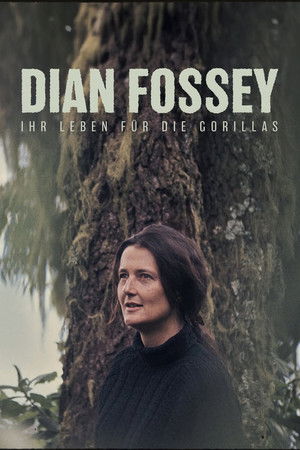
She was the first to study gorillas in their natural environment: the high mountains of Rwanda, where she settled in 1967. For nearly twenty years, Dian Fossey lived with the gorillas, observed their behavior, and changed the way people viewed them. Her relentless fight against poaching prevented the species from becoming extinct. But in December 1985, the primatologist was murdered, and the mystery surrounding her death remains unsolved. Former colleagues, scientists, and biographers shed light on the impact of her work, but also on the darker sides of her personality and her uncompromising commitment.
A scenes from a tour of Manipur State and a women's bazaar in Imphal.
Documentary on the founder of Monkey World in Dorset, Jim Cronin, and his legacy.
Explorer Bruce Parry visits nomadic tribes in Borneo and the Amazon in hope to better understand humanity's changing relationship with the world around us.
Chris Klemmer, Nick Turani, and Kyle Bauer uncover The World Famous Monkey Boy.
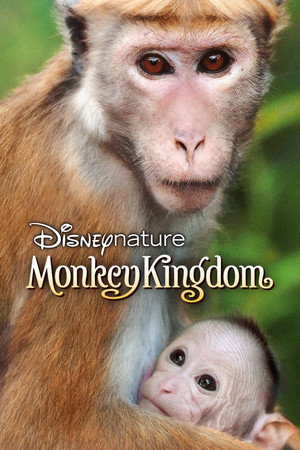
A newborn monkey and its mother struggle to survive within the competitive social hierarchy of the Temple Troop, a dynamic group of monkeys who live in ancient ruins found deep in the storied jungles of South Asia.
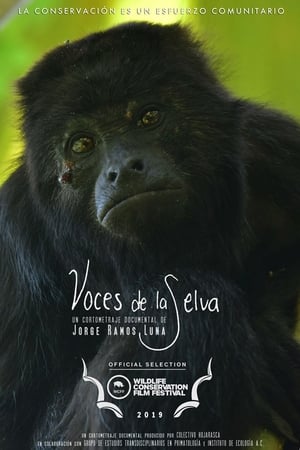
A group of conservationists take on the task of revitalizing the Balancán, Tabasco, research station and protect the howler monkey.