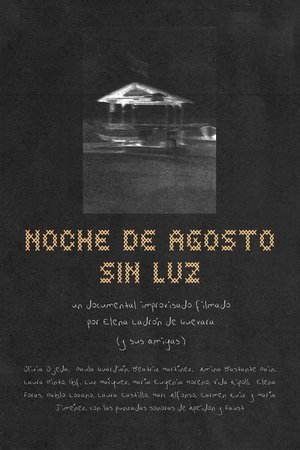
Noche de agosto sin luz
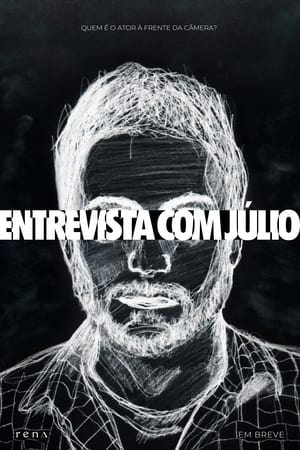
An excerpt about the troubled, passionate and intriguing relationship of an actor with his own life.
Grandma Kham, an 87 year-old-woman, lives lone and is still strong enough to burn charcoal and weed out grass. But what does she have to go through along the way? And how will she prepare for her own final moment?
Dan and Doris both find themselves single in their 70s after their spouses of decades have passed away. After using an online dating service during the pandemic for older singles, they talk on the phone for three months and fall in love before meeting in person. Now living in Austin, Texas, and married for three years, the two wear lavish matching outfits, go out dancing several nights a week, and have an active sexual life rooted in both fantasy and intimacy. With a deep awareness of their mortality guiding their choices, Dan and Doris are not afraid to show up in the world as their true selves, disregarding cultural norms for how older people should look, love, and move through the world.
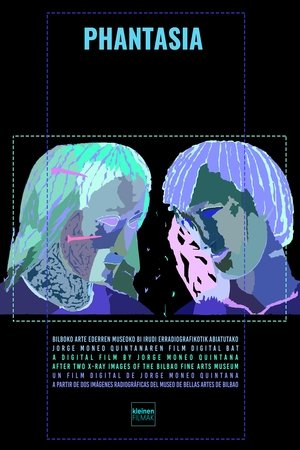
X-ray images were invented in 1895, the same year in which the Lumière brothers presented their respective invention in what today is considered to be the first cinema screening. Thus, both cinema and radiography fall within the scopic regime inaugurated by modernity. The use of X-rays on two sculptures from the Bilbao Fine Arts Museum generates images that reveal certain elements of them that would otherwise be invisible to our eyes. These images, despite being generally created for technical or scientific purposes, seem to produce a certain form of 'photogénie': they lend the radiographed objects a new appearance that lies somewhere between the material and the ethereal, endowing them with a vaporous and spectral quality. It is not by chance that physics and phantasmagoria share the term 'spectrum' in their vocabulary.
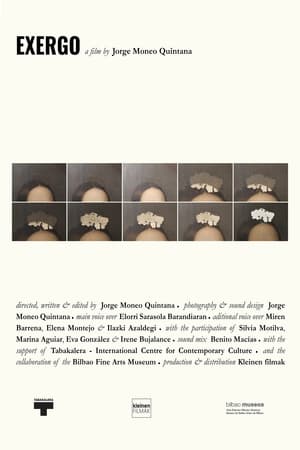
Departing from peripheral details of some paintings of the Bilbao Fine Arts Museum, a female narrator unravels several stories related to the economic, social and psychological conditions of past and current artists.
Roads fall into the sea and a travelogue breaks against the landscape.
A calling inhabits the blank pages, unfolding a secret writing of hers. The unseen written traces seep from the murmuring land, pushing through fragmented voices to become new forms, beings made material. Framed as a dialogue with my grandmother, this film explores an alternative form of personal writing by Chinese women in political shifts, absent and abundant. The 'blank' becomes an image, carrying a search for agency; of land transformed and of women unheard. By breaking down linguistic structures, the film opens a space for imagining, reading, and performing, allowing for emergence.
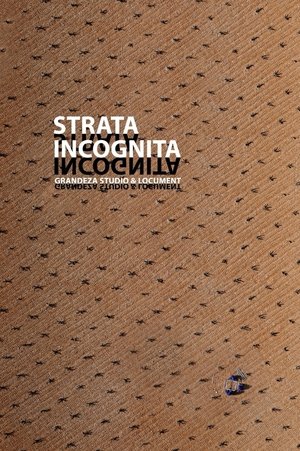
STRATA INCOGNITA, is a trans-scalar and trans-temporal journey across the geographies that articulate soil as an agro-industrial infrastructure, but also as an ecosystem and a somatic archive of crimes, memories and myths.
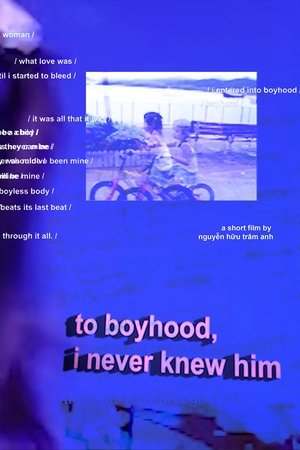
Archive footage from 2006 - 2010 of a young girl growing up during the ages of four to eight. Only fragments of what is remembered exists. Words from a transgender man float to the surface as fleeting memories go on.
"Are WE Beautiful?” is an exploration of the way societal views affect the Black self-image. Told through a series of interviews with real New Yorkers of different ages and gender expressions, exploring and discussing the titular question: are we beautiful?
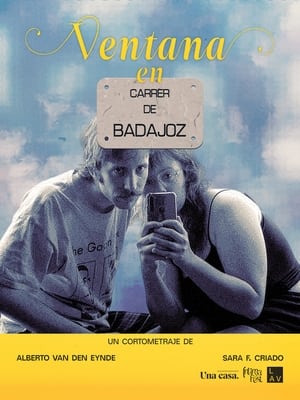
Sara and Alberto spend their days at home. They look out the window and watch: spring is approaching and the sun is setting later and later. Alberto entertains himself by playing with the light, the shadows and the nooks and crannies they leave on the living room. Sara goes out on the balcony in the evenings and examines the neighborhood with her camera. When they are in bed, they talk about what worries them. About job expectations. About being creative and why keep trying, if someone else has done it before you. About living in confinement, but at the same time, realizing that things haven't changed as much as they seem.
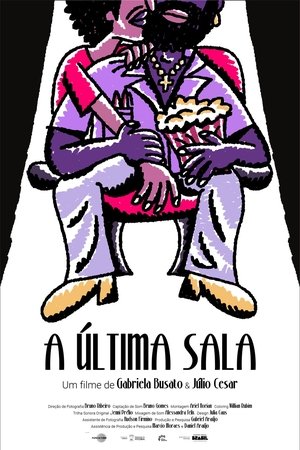
A Última Sala
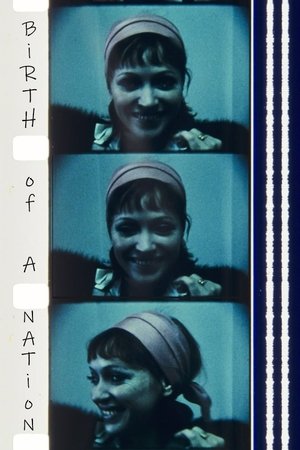
Jonas Mekas assembles 160 portraits, appearances, and fleeting sketches of underground and independent filmmakers captured between 1955 and 1996. Fast-paced and archival in spirit, the film celebrates the avant-garde as its own “nation of cinema,” a vital community existing outside the dominance of commercial film.
Maria Lang is my very close filmmaker friend who lives in the southern german countryside. We see her gardening and visiting an exhibition of female impressionist painters.
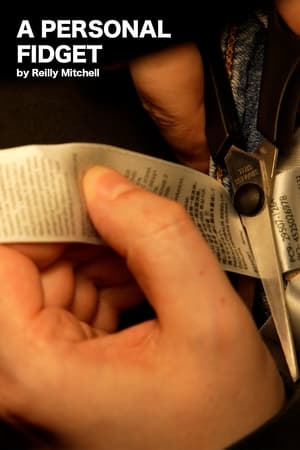
Based upon a habitual fidget of the filmmaker involving the tags in his clothing, Reilly Mitchell explores the feelings of his past by removing something that has always stayed so close to him and turning it into something new.
A celebration of home and belonging in South London. This is a film that tows the line between documentary and narrative, and celebrates neighborhood and the rhythms of everyday life in South London. Friends for over a decade, their closeness runs through the piece; rooted in lived relationships, it resists spectacle in favor of quiet intimacy.
Actress and filmmaker Robyn Adams discusses her experiences with autism, gender identity, and learning to embrace her flaws. Also, she's Frankenstein's Monster now.
Jazz, dreams, and hope. The protagonist of the film is Wiesław Mrzygłód, a musician and artist. He has an extraordinarily positive attitude to the world, life, and music. In the 1980s, together with the Old Dixieland Players, he played at the most important jazz events in Poland and Europe. Despite doctors' opinions, he says, "Someday, I will play again." He refuses to give up. The film was made using analog and combined techniques, based on drawing using oil pastels, prints, and re-filming methods.
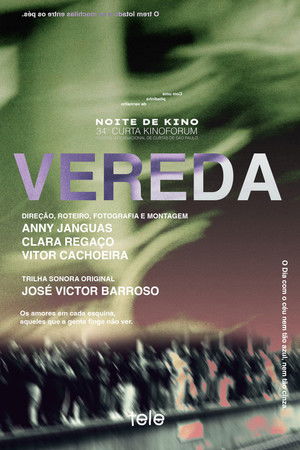
The day with the sky neither too blue nor too grey. With a hint of red. The train crowded and the backpacks between the feet. The loves on every corner, the ones we pretend not to see.