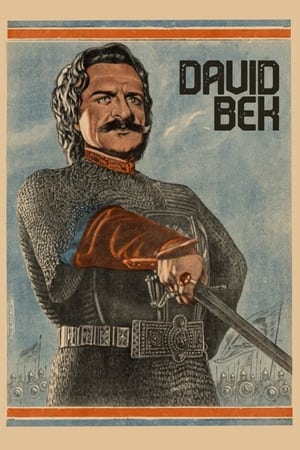
Two part film about David Bek and Mkhitar Sparapet's major Armenian uprising against Safavid Persia in the Syunik region in the 18th century.
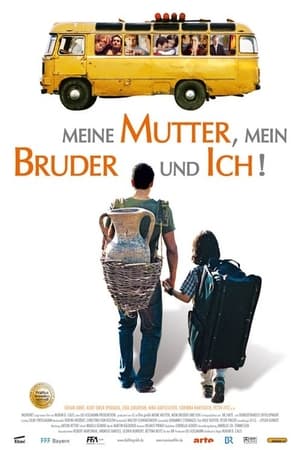
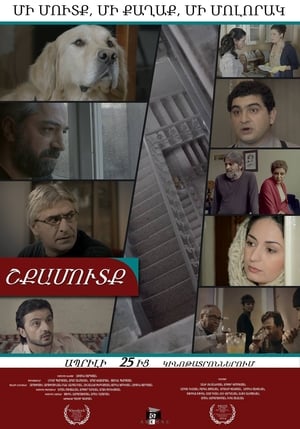
In Munich, the Armenian Areg dreams of studying cinema with his German girlfriend Lilly. Until her widowed mother fell seriously ill with diabetes. Areg and her little brother Garnik have to take care of her.
First movie of the two part film about David Bek and Mkhitar Sparapet's major Armenian uprising against Safavid Persia in the Syunik region in the 18th century. Part one tells the story of David Bek.
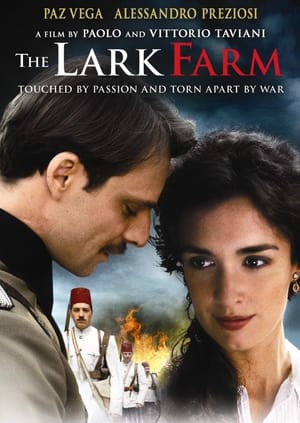
The Lark Farm is set in a small Turkish town in 1915. It deals with the genocide of Armenians, looking closely at the fortunes, or rather, misfortunes of one wealthy Armenian family.
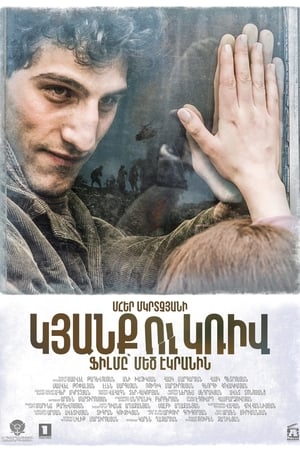
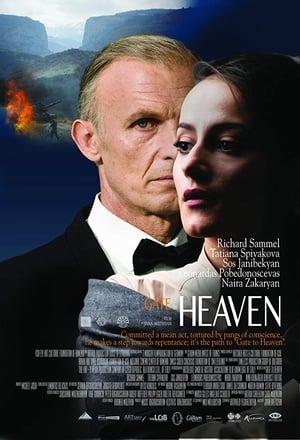
Robert Sternvall, a German journalist, returns to Artsakh in 2016 to cover the war which has been reignited after a 22-year ceasefire. In the result of his journalistic investigation, Robert meets Sophia, a young opera singer, who happens to be the daughter of missing photojournalist Edgar Martirosyan, whom Robert abandoned in captivity during the fall of the village of Talish in 1992. Robert and Sophia’s frequent rendezvouses ignite a passionate romance...
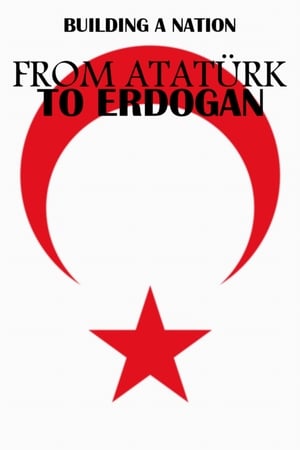
Turkey's history has been shaped by two major political figures: Mustafa Kemal (1881-1934), known as Atatürk, the Father of the Turks, founder of the modern state, and the current president Recep Tayyıp Erdoğan, who apparently wants Turkey to regain the political and military pre-eminence it had as an empire under the Ottoman dynasty.
Yeva is a young woman who escapes her influential in-laws with her daughter Nareh, after her husband’s tragic death and takes refuge in one of the villages of Karabakh, Armenia… Yeva is a complete stranger in this village and is obliged to live her daily life in disguise.
The tranquility of a remote Armenian mountain community is disrupted when a group of shepherds affected by the pangs of an evening hunger, decide to butcher and barbecue the sheep of another's that have strayed into their herd. An official inquiry by the city police complicates matters, and questions of law, morality and community only seem to lead to further entanglements.
Inspired by true events, this is a film about a childhood friendship, torn apart by the horrific Hamidian massacres infiltrated by the Ottoman Empire under the rule of Sultan Abdul Hamid II (1894-1896).
More than one million Armenians perished between 1915 and 1916 in massacres or brutal deportation programs. Turkey still denies it ever happened. Laurence Jourdan examines massacres of Armenians in the decades leading up to the mass murder, and the geopolitical situation both before and after the genocide. Contemporaneous reports and documents written by Western diplomats stationed in the Ottoman Empire describe the methods used and the deportation routes. These accounts are mixed with personal stories from the living survivors and archive footage from Ottoman authorities.
This story is about a medieval king, Hetoum I, who saved Christianity from the threat of extinction and succeeded in his mission to entrust the defense of the country, which was surrounded by enemies, to his queen, Zabel, who was carrying the future heir of the throne.
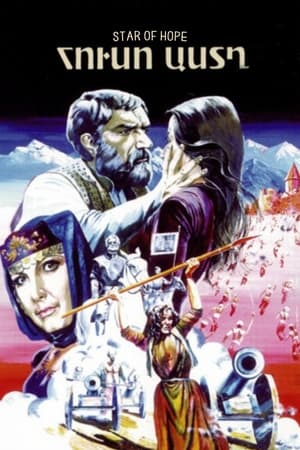
The Armenian national hero, David Bek, leads a major Armenian uprising against Safavid Persia in the Syunik region in the 18th century.
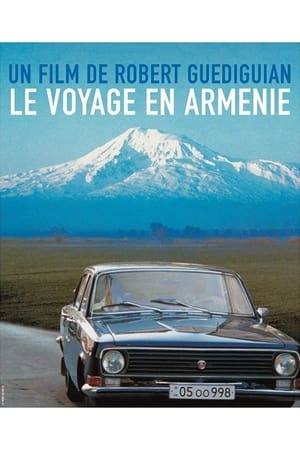
This is a story about returning to ones ancestral homeland. Anna is a cardiologist who discovers her father has fled to his native Armenia after being diagnosed with a heart problem. Despite their contentious relationship, she sets out to bring her father back for this operation. Anna is a tough-minded, headstrong woman with little feeling for her fathers homeland or patience with its politics and socially intrusive culture, yet she finds this journey not only a reunion of sorts, but one of reconciliation as well.
Explores the Ottoman Empire killings of more than one million Armenians during World War I. The film describes not only what happened before, during and since World War I, but also takes a direct look at the genocide denial maintained by Turkey to the present day.
A tableaux of poetry and images exploring the historical trauma, identity, and collective memory of the Armenian people centered on an Armenian filmmaker exiled in Berlin.
In post-war Armenia, physicist Artyom buries himself in work, haunted by the loss of his wife in WWII, unable to let go of the past. Meanwhile, young Tanya refuses to accept her stepfather, still waiting for her real father, missing in action for years. Their parallel journeys explore memory, loss, and the weight of history—both personal and national. As Artyom grapples with the dilemma of remembering versus forgetting, the film becomes a meditation on identity, time, and the inescapable pull of the past. Partially based on the life of prominent Soviet-Armenian scientist Artem Alikhanyan, Hello, It’s Me! is a deeply reflective exploration of history’s grip on both individuals and nations.
Raphael, Yervant Gianikian's father, survived the Armenian genocide in 1915 in Eastern Turkey. In April 1988, while living in Venice, he sat for his son's camera and read an excerpt from his memoirs, translated from Armenian into Italian.
In 2020, when a French robotics student investigates his mother's guarded secret about his true Armenian identity, he jeopardizes his university AI competition to travel to Artsakh and gets entangled in an unexpected full-scale war where he must rely on the evolving consciousness of his AI creation to save his life and learn the truth.
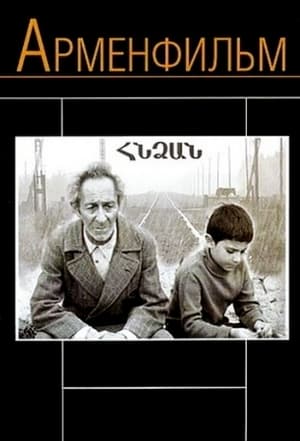
Two years after receiving news of his father’s death in WWII a young boy continues to wait for trains from the front. The boy lives with his crippled uncle rather than with his mother, who has remarried and has another child. Then one day the father returns.
After the devastating Spitak earthquake of December 7th, Konstantin Berezhnoy, a 50-year-old Russian, and Robert Melkonyan, a 28-year-old Armenian, work together to rescue the desperate survivors.