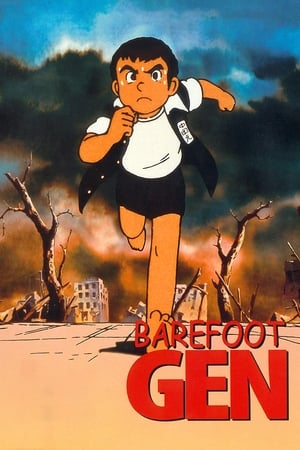
A story about the effect of the atomic bombing of Hiroshima on a boy's life and the lives of the Japanese people.
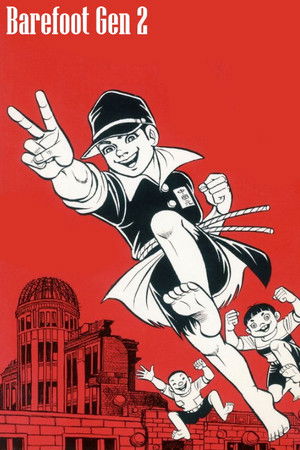
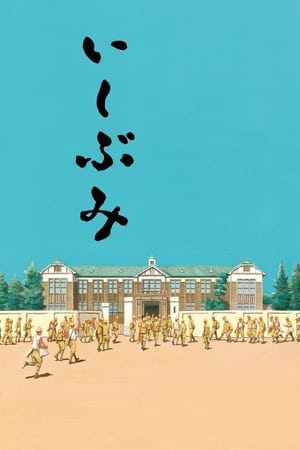
Three years after the Hiroshima bombing, a teenager helps a group of orphans to survive and find their new life.
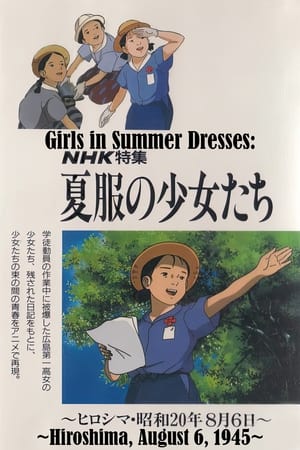
In 1945, the second- and third-year students of a Hiroshima girls' school are taken away to work in war factories. The remaining 220 girls of the first year try to make the best of their new-found status as the only teenagers in an almost deserted town, even amid the deprivations of wartime. On the seventh of August, an American bomber changes their lives forever. Broadcast on the 43rd anniversary of Hiroshima in memory of "the girls who lost their lives to the atom bomb." (Source: Anime Encyclopedia)
Akiko Takakura is one of the last survivors of the Hiroshima bomb. During Obon, she receives the spirits of her parents and is haunted by memories. Finally Akiko experiences paternal love in the middle of the ruins of Hiroshima.
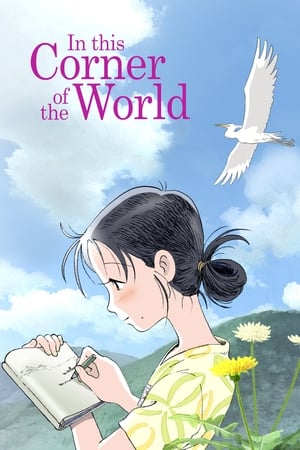
Japan, 1943, during World War II. Young Suzu leaves her village near Hiroshima to marry and live with her in-laws in Kure, a military harbor. Her creativity to overcome deprivation quickly makes her indispensable at home. Inhabited by an ancestral wisdom, Suzu impregnates the simple gestures of everyday life with poetry and beauty. The many hardships, the loss of loved ones, the frequent air raids of the enemy, nothing alters her enthusiasm…
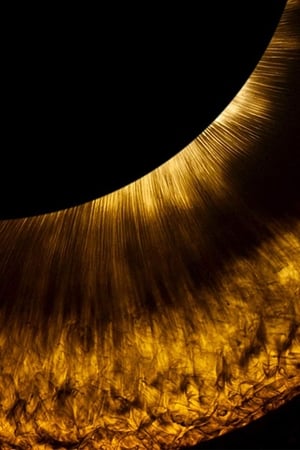
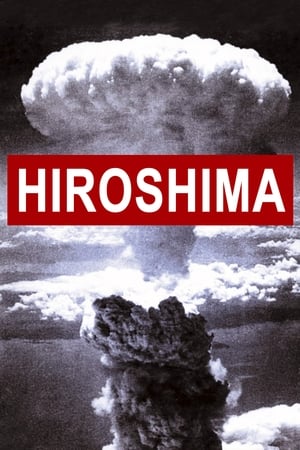
August 6th 1945 a new sun rose over Hiroshima. Time froze as the atomic bomb Little Boy detonated.
Radio Love
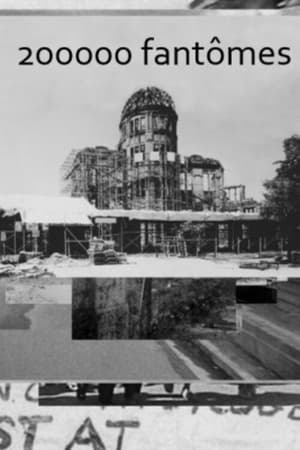
In 1914, the Czech architect Jan Letzel designed in the Japanese city of Hiroshima Center for the World Expo, which has turned into ruins after the atomic bombing in August 1945. “Atomic Dome” – all that remains of the destroyed palace of the exhibition – has become part of the Hiroshima memorial. In 2007, French sculptor, painter and film director Jean-Gabriel Périot assembled this cinematic collage from hundreds of multi-format, color and black and white photographs of different years’ of “Genbaku Dome”.
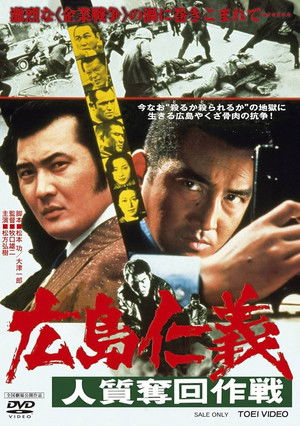
While Hirono is in prison, his rival Takeda turns his own crime organization into a political party, whose two executives stir up new tensions in their thirst for power.
Experience Japan in 2026 through this casual documentary.
A memorial to the atomic annihilation of 321 students at Hiroshima Middle School.
The documentary recounts the world's first nuclear attack and examines the alarming repercussions. Covering a three-week period from the Trinity test to the atomic bombing of Hiroshima, the program chronicles America's political gamble and the planning for the momentous event. Archival film, dramatizations, and special effects feature what occurred aboard the Enola Gay (the aircraft that dropped the bomb) and inside the exploding bomb.
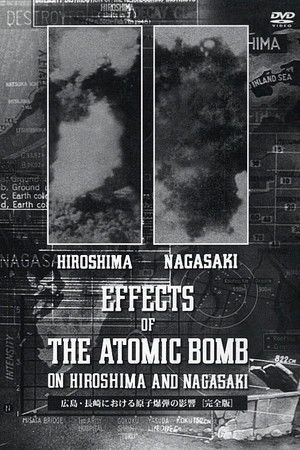
This was the only documentary made in the aftermath of the atomic bombings of 1945. Japanese filmmakers entered the two cities intent on making an appeal to the International Red Cross, but were promptly arrested by newly arriving American troops. The Americans and Japanese eventually worked together to produce this film, a science film unemotionally displaying the effects of atomic particles, blast and fire on everything from concrete to human flesh. No other filmmakers were allowed into the cities, and when the film was done the Americans crated everything up and shipped it to an unknown location. That footage is now lost. However, an American and a Japanese filmmaker each stole and hid a copy of the film, fearful that the reality of Hiroshima and Nagasaki would be hidden from history. Eventually, these prints surfaced and became our only precious archive of the aftermath of nuclear warfare -- a film that everyone knows in part, yet has rarely seen in its entirety.
Même le vent semble pleurer
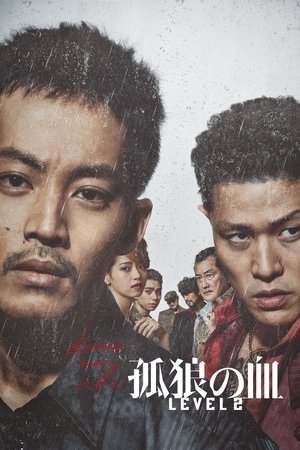
Set in 1988 in Hiroshima, Japan, prior to the enactment of the anti-organized crime law. A rumor exists that Detective Shogo Ogami has ties with the yakuza. He is partnered with Detective Shuichi Hioka and they investigate a missing person case involving a financial company employee. Conflicts between opposing yakuza groups become more serious.
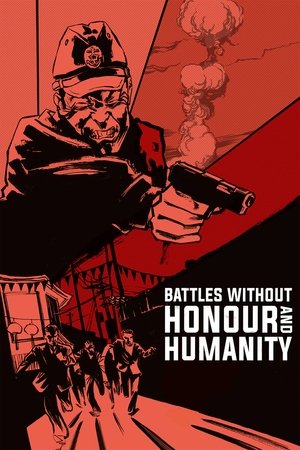
In the teeming black markets of postwar Japan, Shozo Hirono and his buddies find themselves in a new war between factious and ambitious yakuza.
After Shogo Ogami’s death in Hiroshima, Detective Shuichi Hioka successfully implemented Shogo Ogami’s plan, which was to control the yakuza to prevent further gang wars and save innocent people from getting harmed. Shuichi Hioka manages the criminal organizations, but, due to one evil person who gets released from prison, the situation drastically changes.
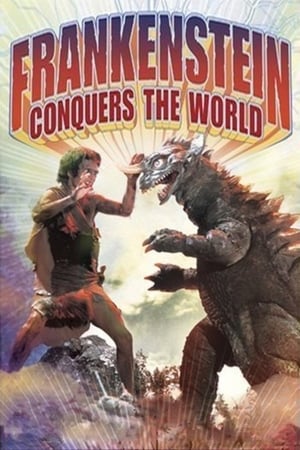
During WWII, Germans obtain the immortal heart of Frankenstein's monster and transport it to Japan to prevent it being seized by the Allies. Kept in a Hiroshima laboratory, it is seeming lost when the United States destroys the city with the atomic bomb. Years later a wild boy is discovered wandering the streets of the city alone, born of the immortal heart.
The deep conversation between a Japanese architect and a French actress forms the basis of this celebrated French film, considered one of the vanguard productions of the French New Wave. Set in Hiroshima after the end of World War II, the couple -- lovers turned friends -- recount, over many hours, previous romances and life experiences. The two intertwine their stories about the past with pondering the devastation wrought by the atomic bomb dropped on the city.
After spending eight years in prison for murder, Hiroshi leaves his yakuza family to start a new life as a labor racketeer.