Follows homeless, addicted and alienated Greenlandic women in Copenhagen, Denmark; includes fragments of Greenlandic culture.
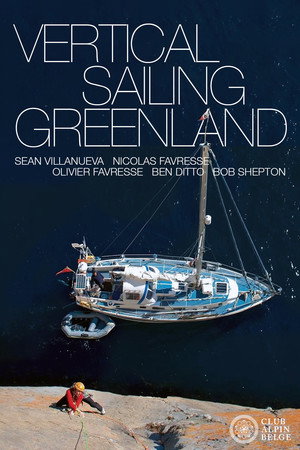
A "team of savages," as their boat captain Bob Shepton calls them, comprised of Sean Villanueva O'Driscoll, Olivier Favresse, Nicolas Favresse, and Ben Ditto, set off for Greenland to attempt a first big wall climb. Arriving in Asia by plane, they prepare the sailboat for two months of self-sufficiency. Accompanied by whales, seagulls, and icebergs, they train on various rock faces before beginning their ascent of the seemingly impossible wall. It takes them 11 days to complete the climb, braving bad weather, the rock itself, the wilderness, and three different bivouac sites—all accompanied by music, of course! The return journey is not without its challenges, as they must avoid a cyclone and cross the Atlantic to reach Oben in Scotland.
Structured as a labyrinth-like game and inspired by Jorge Luis Borges, Aleph is a travelogue of experience, a dreamer's journey through the lives, experiences, stories and musings of protagonists spanning ten countries and five continents.
There, Robert Peary, an American explorer, thought more than 100 years ago, that the only way for a human being to reach the North Pole would be to have children with Inuits, "to create a super-race that would combine the Eskimo strength and the shrewdness of the Westerner." Following in the footsteps of this extravagant theory, this film essay marches in search of that super-race.
How in 1959, during the heat of the Cold War, the government of the United States decided to create a secret military base located in the far north of Greenland: Camp Century, almost a real town with roads and houses, a nuclear plant to provide power and silos to house missiles aimed at the Soviet Union.
The world's largest island has been part of Denmark since 1721, but a significant majority of the 56.000 inhabitants now want independence. They feel their culture and language is threatened and is the main reason for the many suicides among young people. But the Danish speaking Greenlanders feel discriminated and want to keep the ties to Denmark. The film follows four strong young Greenlanders, who each in their own way insist on taking responsibility for the future of their country. The documentary explores the difficult balance between the right to self-determination and xenophobic nationalism. Between traditional culture and globalization.
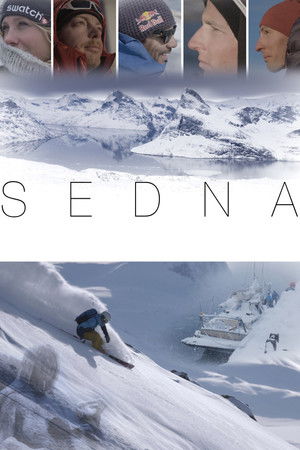
What happens when you combine a renewable energy sailboat with an arctic ski expedition in Greenland for the first time ever? Athletes Rachael Burks and Jessica Baker put the idea to test, and endure a both harrowing and inspiring journey along Greenland’s West coast fjords and towering mountains. What ensues is an inspiring and formidable journey as compromise and progress go hand in hand.
The adventures and exploits of Jean-Baptiste Charcot (1867-1936), an intrepid scientist and explorer who laid the foundations of modern oceanography.
Catalan adventurer and elite kayaker Aniol Serrasolses shatters boundaries on his Arctic expedition to Norway when he descends a 20m-high ice waterfall - the largest ever recorded kayak drop from a glacial waterfall. He and his team have to voyage across the arctic circle to the Svalbard archipelago in Norway to search for the elusive and temporary waterfalls. Once there, they must climb the treacherous glacial cliffs and hike for kilometers over the ice shelf to access the glacial rivers which run over the frozen cliffs and fall from the huge heights into the sea.
Greenland
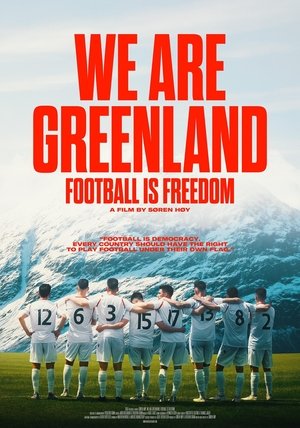
We are Greenland: Football Is Freedom
A documentary that challenges the notion of Greenland being the eternal cost for Denmark.
The relationship between Greenland and Denmark is full of fantasy and myths. And these are exactly what Danish artist Lasse Lau reflects upon – and in turn documents – in his first feature-length film. But how do you give a form to the Greenlandic experience when you are an outsider yourself? Lau has created a sensitive film about authenticity and recreation by letting both elements become a part of the work, together with his performers. But also by watching and listening intently. The colonial history is entrenched in both Greenland's infinitely beautiful landscapes and in the collective consciousness. But so is the willingness to break with it and look ahead with a new political self-awareness. 'Lykkelænder' is the result of a long-term research project, but talks about its extremely complex topics in a way that grounds the postcolonial perspective in a recognisable life experience. It does so with both a sense of humour and with emphasis.
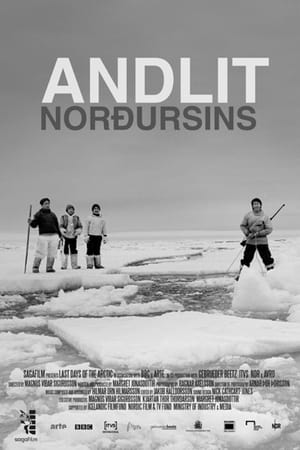
Ragnar Alexsson, a.k.a. RAX, is among the most celebrated photographers in the world. His series Faces of the North are a living document of the dying cultures of the far northern reaches of the planet. His photo essays of farmers and fishermen in Icleand, and of the great hunters of Greenland give an amazing insight into everyday life of people who struggle a daily battle with the Arctic nature. A celebration of the photographer and his subjects, Last Days of the Arctic is an elegy for a disappearing landscape and the people who inhabit it.
In the Arctic, ice is both all around and constantly disappearing. “Utuqaq” explores climate change from the perspective of this beautiful and vital element, as four researchers embark on an expedition to drill ice cores in subzero temperatures.
Niaqornat in North West Greenland has a population of 59. If the population falls below 50, the village will lose its Danish subsidies and risks being relocated to the nearest town. While the rest of the community pull together to try and re-open the fish-factory, Lars -- the only teenager in town -- plans his escape.
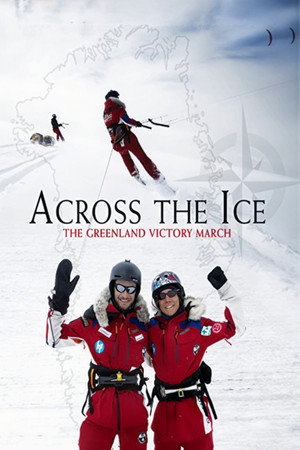
In 2010 polar explorer Sebastian Copeland and partner set a Guinness world record kite skiing the 2300 kilometers length of Greenland's south-north axis braving storms, exhaustion and complete isolation. This is the story of that journey.
Documentary film by the Danish TV channel DR about sexual abuse and suicide in Tasiilaq, Southeastern Greenland.
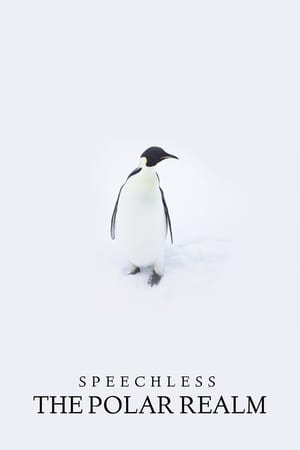
Beautifully filmed by New Zealand nature photographer Richard Sidey over the past decade around the polar regions, Speechless: The Polar Realm is a visual meditation of light, life, loss and wonder at the ends of the globe. This is the second film in Sidey’s non-verbal trilogy which is comprised of: - Landscapes at the World’s Ends (2010) - Speechless: The Polar Realm (2015) - Elementa (2020)
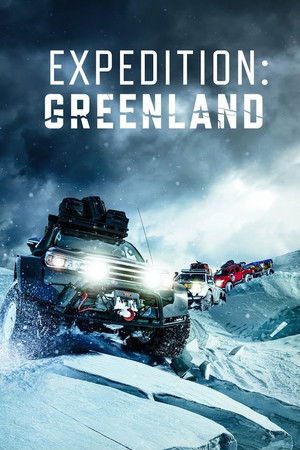
A daring team of seven embarks on the pursuit of being the first to traverse Greenland's unexplored ice sheet.