A poetic story of a proletarian couple’s relationship during the years of economic crisis and unemployment – of all the films directed by E. F. Burian, the film Chceme žít (We Want to Live, 1949) is probably his worst. The intention to create a powerful work of cinema that would combine modern means of expression with the ideological canons of socialist realism failed completely. Ježek and Tarnovski discovered these „shambles“ and tried to rebuild a structure out of the hopelessness and futility of life. Ježek has photochemically “transcribed” selected passages with the greatest possible degree of humility towards the work of the great avant-gardist, Tarnovski similarly makes the soundtrack visible. The improvised encounter of sound and image in dialogic mode can lead to various misunderstandings resulting in ambiguous compromise.
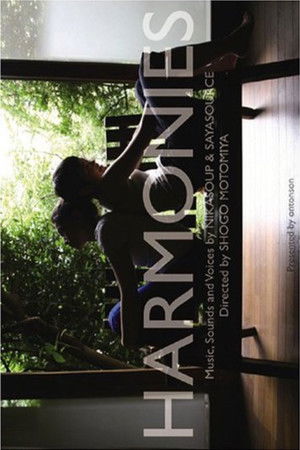
Japanese two female singer-songwriters, Kazumi Nikaido (also known as Nika Soup) and Saya Source (of Tenniscoats, Maher Shalal Hash Baz). Nika is known for her chameleon-like ability to transform her voice, while Saya has a melancholic and straightforward singing style. Both have distinct voices that can be identified immediately, but when they sing in unison, they create melodies that are truly sublime. They have released charming album IPIYA (2005) features playful pop songs reminiscent of nursery rhymes, repetitive mantra-like tracks. The two went back and forth from their homes in Hiroshima and Tokyo to create beautifully diverse songs for this record. This is the documentary of "how" and "why" and also "where" they had made the very original music. Many interviews, rehearsals, free sessions, live performances are included. There is a childlike innocence to this documentary, and offers a peak into the unique world of how they make music.
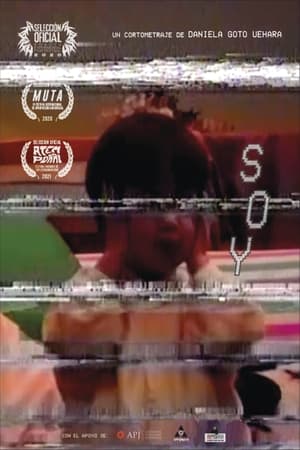
Soy
Jo; or The Act of Riding a Bike is Zefier's third film.
Outtakes, commentary from Zefier's third film: Jo; or The Act of Riding a Bike.
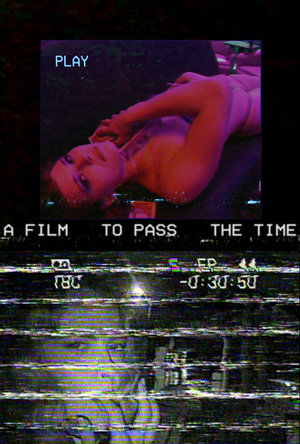
Set against nostalgic analog noise, this is an ultra-processed film which pays homage to lost media and the dead art of videotaped home movies. Taking place primarily in the United States, two strippers look into getting hired at a club in Colorado, a young musician reunites with her family in Missouri, and a German woman flies from Berlin to the U.S. to help her friend finish a film in Texas.
This work is a representation of the deterioration of the first love of Nakano Eiji. He uses a psychedelic effect to represent the deterioration.
Part ethnographic film and part experimental film, கோயில் (The Temple) is a hybrid piece of cinematography that questions the act of observing.
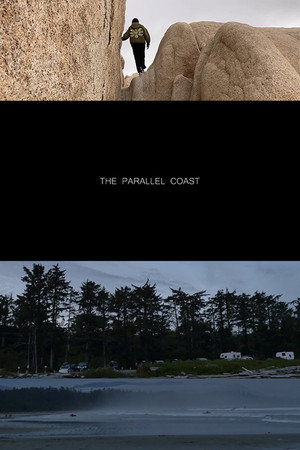
A story of The Map and The Territory. Shot in BC, California, and Nevada. Original music by Tashi Townley, Jack Brintnell, Luc Wiebe, and George Lee.
a poem. trees. fragments of fritz. love—and nothing besides!
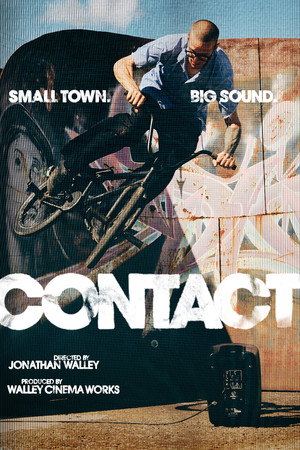
CONTACT is a short documentary film directed by Jonathan Walley that chronicles the transformation of an entire skatepark into a playable musical instrument—where the skate, BMX, art, and music scenes collide. HCS has been many things: a skatepark, gallery, library, museum, and stage; but, for one weekend, Derek Nelson fabricator, activist, BMX pro, and artist, transformed his skatepark into an immersive sonic installation—part instrument, part playground—for the community of Binghamton, NY to become co‑creators in a conflagration of sound. SMALL TOWN, BIG SOUND. CONTACT reminds us of the joy in creativity, community, and the DIY spirit. Contact is about pushing boundaries, experimenting with art, and reclaiming space in an increasingly cruel, unkind, and oppressive world. It’s a poetic exploration of the creative process told by a filmmaker who calls HCS home.
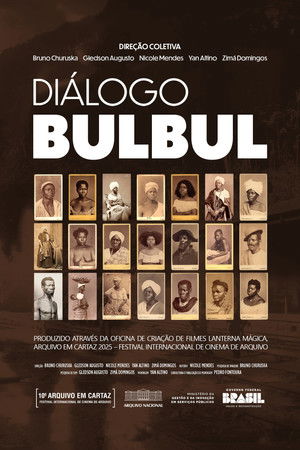
Drawing from archives, through the collective force of invention and resistance, and evoking the creative power of Black people, the film summons sonic and visual memories to construct an insurgent remix.
The uninterrupted light trail of one year and ten months, condensed down to 20 minutes, filmed on a self-made camera. Daily rhythms accelerate, slowly at first, then more intensely. A structuralist film about transience.
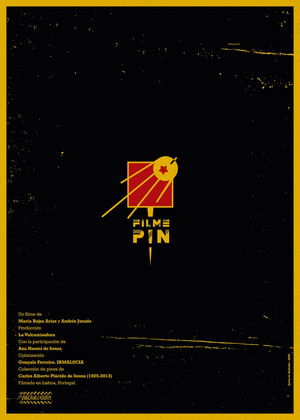
Between light, metal and silver, a collection of solidarity pins turns into an archive of another scale: spectres of exile and international struggle against Portugal’s fascist and colonial regime.
With the lack of personal video archive, Youhanna (the filmmaker) creates false memories using lost home videotapes shot between the 1990s and 2000s in Europe, Africa, and Asia, with the help of an Artificial intelligence programme, until a real, personal video archive surfaces, transporting him into the past to relive one more memory with his late mother.
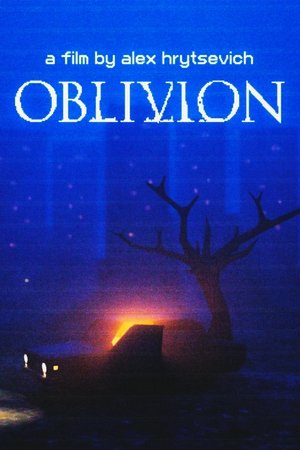
A lone passenger is reflected in the windows of a train crawling through layers of textures towards Minsk. During his absence, the city has not changed: all the streets are frozen, long-gone voices can be heard in the empty rooms and around the corner you can find yourself in a video game from your childhood.
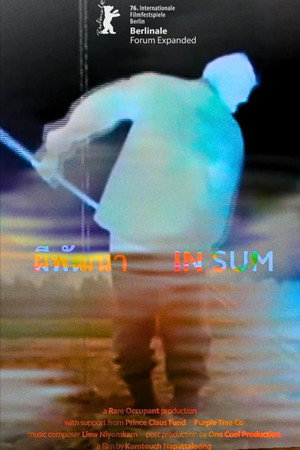
Corroded pixels struggle to form an image as they move through Cold War promises of development in rural Thailand, haunted by archival voices.
A lo Mejor Algún Día
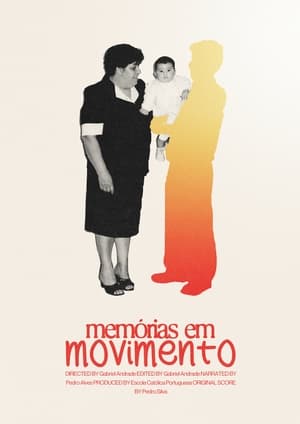
On April 1st, 2022, my grandfather passed away and i felt lost. I think my path changed when, some days after he passed away, i was offered a small VHS camera. "Moving Memories" is a visual journey that makes the viewer reflect on our momentary presence on earth and questions the nature of memory. Throughout this journey, we get to the conclusion that memories are more than just static photographs in our minds, they're alive and in constant movement, changing while we evolve as individuals. These memories have influence and help us to move on.
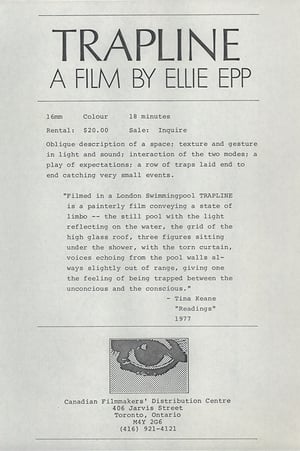
Ellie Epp’s 12-shot study of a soon-to-be-demolished public bath in London, which “maps another way out of structural film toward a cinema of delicate implication".