Poème Électronique is an 8-minute piece of electronic music by composer Edgard Varèse, written for the Philips Pavilion at the 1958 Brussels World’s Fair. The Philips corporation commissioned Le Corbusier to design the pavilion, which was intended as a showcase of their engineering progress. The pavilion was shaped like a stomach, with a narrow entrance and exit on either side of a large central space. As the audience entered and exited the pavilion, the electronic composition Concret PH by Iannis Xenakis (who also acted as Le Corbusier's architectural assistant for the pavilion's design) was heard. Poème électronique was synchronized to a film of black and white photographs selected by Le Corbusier which touched on vague themes of human existence.
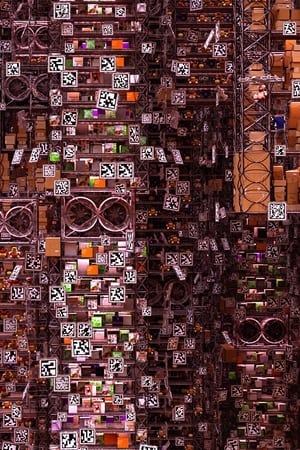
A research and design project that imagines the future of post-human spaces like Google data centers and Amazon warehouses. Using the same artificial intelligence code that organizes logistics infrastructure, a fictional fulfillment center at the scale of a city has been procedurally generated. Things City is designed to accommodate only delivery drones, logistics bots, and packages as its citizens. Through the eyes of the city’s machines, we watch as a girl enters Things City on Valentine’s day searching for a lost package.
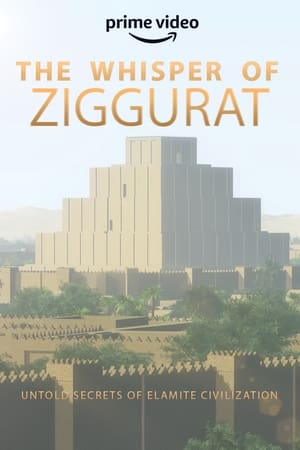
5000 years ago the ancient Elamites established a glorious civilization that lasted about three millennia. They created marvelous works in architecture and craftsmanship. These works of art depict the lifestyle, thoughts, and beliefs of the Elamites.
A wise old man teaches a boy the art of building. The boy develops outstanding skills. He builds the most magnificent palaces, but something inside him atrophies. The flip side of humanity, the shadow, grows beyond him.
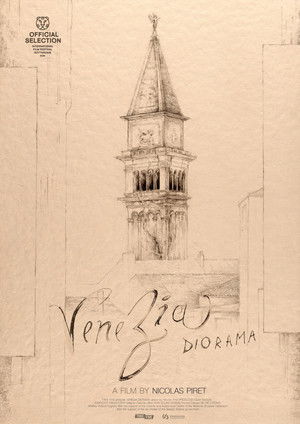
Through a series of animated art boards depicting a decaying Venice, the film unfolds like a set of postcards, capturing the mythical city's final moments of fragility. Blending archival footage with contemporary observations, and anchored by the story of the 1902 collapse of St Mark's Campanile, Venezia Diorama invites us to reflect on a city slowly eroding, yet suspended in time.
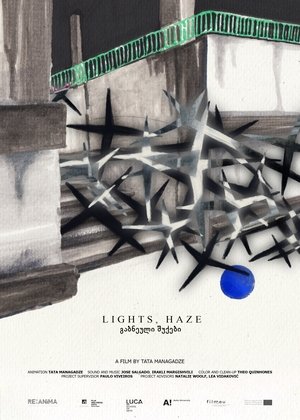
Utopian symbolic playgrounds from memories are interconnected through sharp, flickering lights.
Images of crowd simulation are faced with testimonies from Liverpool Football Club’s supporters who recall their experience marked by a tragic event: the Hillsborough stadium disaster in 1989, which changed the nature of the game of football.
Maurizio Sacripanti’s prefab school, designed in 1969 for the town of Molfetta, turns into a deafening film. An animated interpretation of a section of the building: holes, panels and layers of the project transform into a mechanical rhythm, but the sound of a bell alters the logic of the system.
(New Logue Lane) 1. The sun was either setting or rising, it was impossible to tell at that particular moment. 2. Maybe, Maybe not. 3. He said we could solve his problem using methods more advanced than squinting and meditation [concentration], more advanced than anything we could have imagined. And, even better, someone might make a fortune doing it. 4. Holding a dusty wooden prism, he asked each of us to choose: “Architecture or Revolution.” Maybe it was the thick accent, or maybe it was something else entirely, but I swear he said Architecture or Resolution. …unfortunately, we chose Architecture.
Confusion settles in the house, how to make it a home again?
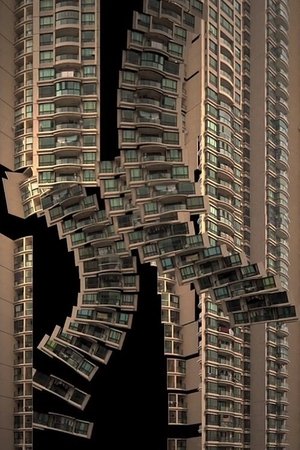
China’s irresistible process of growth and its precariousness.
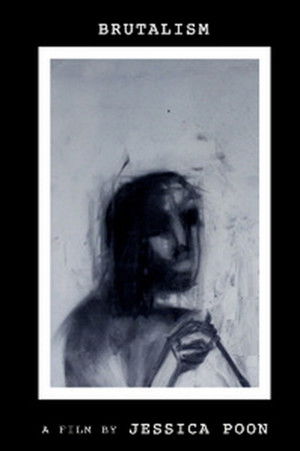
Black giants break classical architecture and rebuild them into Brutalistic structure.
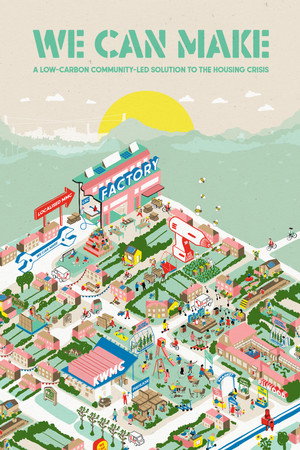
We are in a housing crisis. We urgently need new ideas. Step forward… We Can Make. We are taken to Knowle West, South Bristol, a 100-year-old council-built estate and one of the most deprived areas in Europe. The spirit in the neighbourhood is unbroken though and this community are taking a different route to affordable housing.
Casa
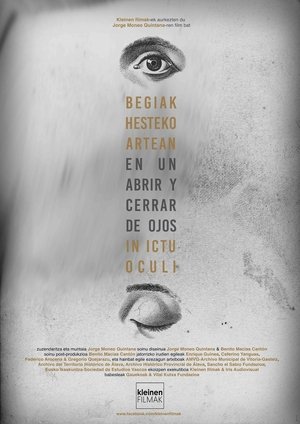
The six-decade transformation of a block of houses, shown by means of artfully featured archival shots, highlights the beauty and sadness of human-made decay. In the blink of an eye 66 years pass by and a savings bank replaces a church.
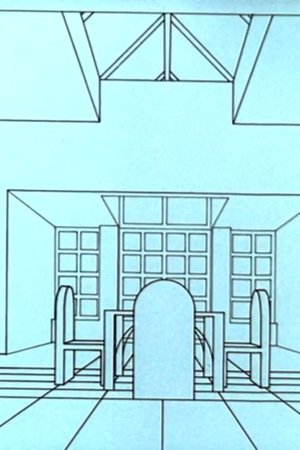
Jarnow regularizes a child's primitive sketch of a house into increasingly firmer architecture, showing how the same place might by rendered by different hands. Objects twist and turn, a drawing resolving into a wall painting, as the perspective shifts, boxes within boxes, until the viewer is back outside
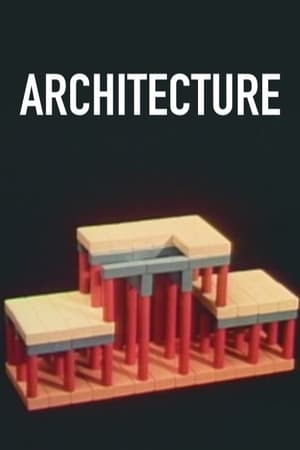
A stop motion opus made up of hundreds of hand-painted wooden blocks that takes the viewer through a brief history of architecture. Primitive structures evolve into larger buildings...
A short film about traditional crafts and culture that can still be found in the Wallachian mountains today.
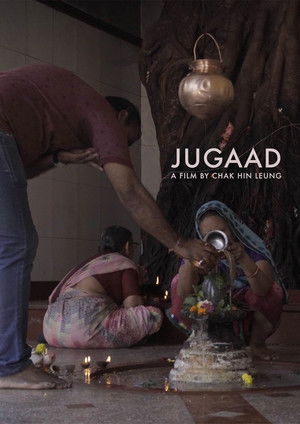
Jugaad is a Hindi word that can be translated as "innovative or effective solution that bends the rules". It refers to the extreme capacity developed by Mumbai's inhabitants to adapt and get around any type of constraint or obstacle posed by the city's urban structure. In a relatively small piece of land where 21 million people live today, the inhabitants of Mumbai demonstrate great creativity when it comes to managing the spaces (for sale, for prayer, for traffic) and the flows that cross them every day. Without using language, Hong Kong artist Chak Hin Leung brings together in this video a dozen unique situations in which people, animals, vehicles and natural elements intermingle and brush up against each other, without ever colliding.
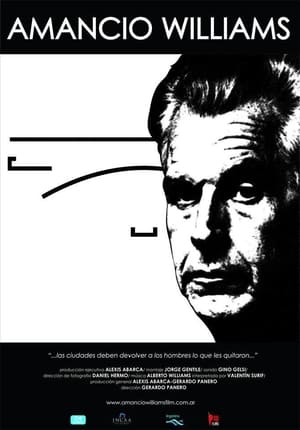
A biography documentary of the Argentine modernist architect Amancio Williams.