Kids help around the farm on the South Devon coast.
This short film reveals the story behind oatmeal cookies, from the farmer's field to fresh from the oven. Without words.
In this documentary, Louanne searches for a blue shed built by her grandfather's brother, 46 years ago, on a Moroccan beach. This hunt rapidly becomes a quest for adventure, answers and friendship where memories from the past and hopes of the future get mixed...
Is the reality of dairy consistent with what the industry tries to convey? Well... make your own mind up.
Still today, people say that during the stormy night from March 31st to April 1st, 1922, the devil had come to Hinterkaifeck. On the farmstead near Schrobenhausen, all 6 inhabitants – 4 Adults and two children – are struck down bestially. The police did not manage to seek out the murderer(s). As the case is still unsolved as of today, the story still lives on in the minds of the people. Motion pictures, theatre plays, and the bestselling novel “Tannöd”, behind all of them stands Hinterkaifeck. Aspiring police investigators and a self-declared “Internet – special commission ‘Hinterkaifeck’” have now once again taken up the trail of the case. This exciting search for traces is followed by the film, and its findings are recreated in elaborate play scenes. Thereby, a picture of an era thought to be bygone and an idea of what really happened back then comes into existence. More precise than any fiction, the docudrama manages to get closer to the truth.
"Whenever You Eat" (1949) is an educational film produced by the National Dairy Council and Atlas Film Corp, emphasizing the importance of physical well-being and its connection to good living habits and a proper diet. Through a 12-minute narrative, the film likely promotes balanced nutrition, healthy eating routines, and the role of dairy in maintaining overall health. Targeting families, students, and general audiences, it serves as a mid-century public health message encouraging better dietary choices for improved daily life and long-term wellness.
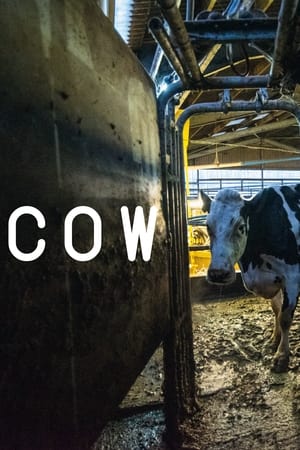
A close-up portrait of the daily lives of a pair of cows: told by way of some narrative-free, intimate POV photography, with plenty of close shot images, we follow the daily routine of these animals as they live what can only be described as mundane, boring lives - all with an ultimate purpose within the human food chain.
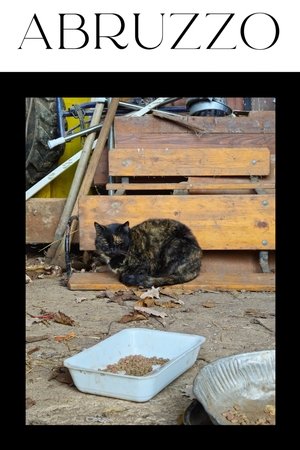
Abruzzo
A 1930s geography lesson on dairy farming, around the pasturelands of Wixenford Farm near Plymouth.
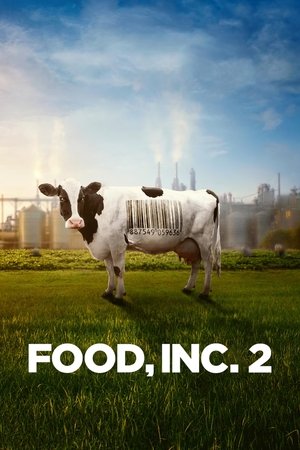
Filmmakers Robert Kenner and Melissa Robledo reunite with investigative authors Michael Pollan and Eric Schlosser to take a fresh look at our efficient yet vulnerable food system.
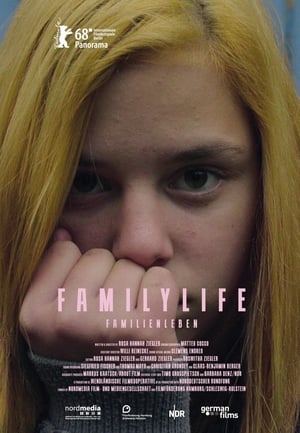
Biggi lives with her two daughters, four dogs and her exboyfriend Alfred on a dilapidated farm in a small village in Saxony-Anhalt. Biggi and Alfred are out of work and they live very modestly. The 14 and 17 year-old daughters Saskia and Denise should really go to school, but there are always reasons for them to stay at home. This gives rise to tension with Alfred. We accompany them during their conflict-ridden everyday lives and learn something about their dreams, fears and hopes. And how difficult it is to break out of a circle.
A glimpse into the raw and simple power of nature through encounters with farm animals: the eponymous Gunda, a mother pig; two cows, and a one-legged chicken.
Ceres is a poetic yet realistic documentary that follows four children as they experience the natural cycle of life on a farm. Each child lives on a remote farm in the southwest of the Netherlands and is learning the profession of their ancestors from a young age. They each dream that one day they will take over the farms of their father or grandfather.
Sepp Holzer explains some of the innovative, labour-saving agricultural techniques he applies at his farm in the Eastern Alps of Salzburg, Austria.
Intensif
A group of citizens lobbied to save the landmark Alberta Wheat Pool grain elevator, one of the defining features of Mayerthorpe’s landscape, from being torn down in 2003 - as thousands of others had been. This film documents those efforts while exploring the broader history and significance of the grain elevator.
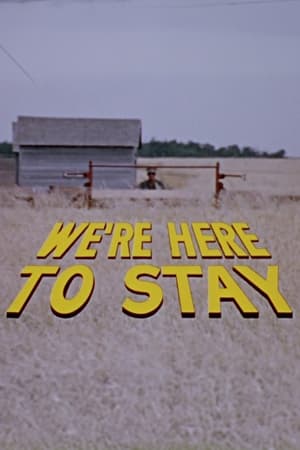
Farm families in Lestock, Saskatchewan, have pooled their resources so that rising operating costs will not drive them off their land. By pooling their land, their equipment, their livestock, and farming as a cooperative, they are able to live as they choose, to maintain their standard of living, and even to have some spare time left over to enjoy. An engaging look at a novel approach to big-scale farming.
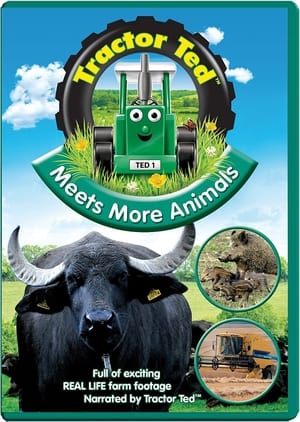
Tractor Ted takes us to see some unusual farm animals and we see some big farm machines hard at work
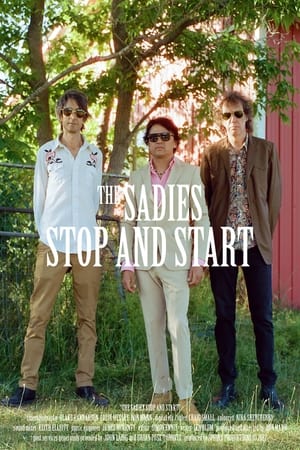
The Sadies Stop and Start captures a moment in time. That time was uncertain and dark. Still reeling from losing Dallas, we found out that Mike needed to have emergency wrist surgery. We needed to play these songs, not knowing if we would ever have the opportunity again. With one day's notice, documentary filmmaker Ron Mann and a stellar crew pulled together to help us capture these songs. Friends and family gathered to help out and show their support. James McKenty engineered in his mobile recording trailer, In Record Time Studio. The resulting film looked and sounded better than we could have hoped. We are thankful to share that Mike's surgery was successful and we are back out on the road and coming to a city near you.
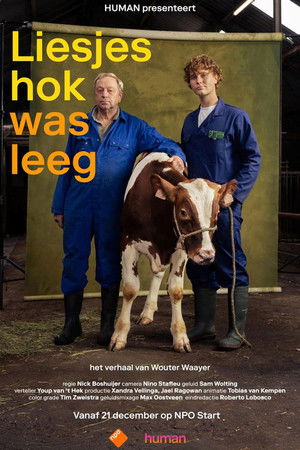
In Liesjes hok was leeg (Liesje's pen was empty), Wouter Waayer, now a convinced vegan and Extinction Rebellion activist, returns to the farm in Twente, where he receives another Liesje. We follow the bull calf from its arrival to its departure for the slaughterhouse, some five months later. A search for understanding unfolds between father Jan, the down-to-earth farmer who has devised a system to reduce emissions in barns, and Wouter, the idealist who would love to start a retirement home for cows. Between them: Liesje, a calf that slowly grows into a symbol for everything that conflicts between father and son, tradition and system change, love for animals, and farming.