As the romantic monsoon rains loom, the extended Verma family reunites from around the globe for a last-minute arranged marriage in New Delhi. This film traces five intersecting stories, each navigating different aspects of love as they cross boundaries of class, continent and morality.
A violent screenwriter and a female neighbor fall in love after she clears him of murder, but she begins to have second thoughts.
This driver’s education film from the early 1970s, "Alcohol and Red Flares", warns viewers of the dangers of drunk driving. It recounts the story of a man named “Mike” who drinks heavily at a party, and insists on driving home. The consequences are steep and along the way, viewers learn about Blood Alcohol Level (also known as BAC or Blood Alcohol Content), techniques police use to verify a driver’s inebriation such as the breathalyzer, and the reasons why driving drunk is so dangerous. This film was produced by legendary social guidance filmmaker Sid Davis in cooperation with the Monterey Park Police Department.
Coast Guard film about the importance of life jackets. Stresses safety in boating and shows how boating accidents can happen.
“The Mystery Crash” discusses the dangers of drinking and driving especially as it pertains to the seemingly harmless “social drinker.” This film was produced by Jack Lieb Productions Inc, Chicago and sponsored by the National Safety Council. It is part of a series of films, with each episode describing a different element of driving and road safety.
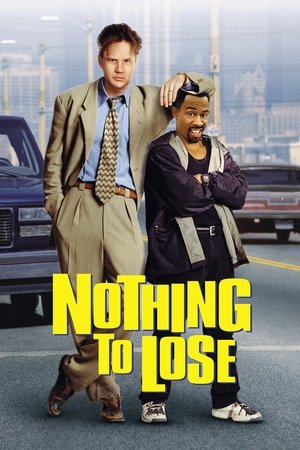
Advertising executive Nick Beame learns that his wife is sleeping with his employer. In a state of despair, he encounters a bumbling thief whose attempted carjacking goes awry when Nick takes him on an involuntary joyride. Soon the betrayed businessman and the incompetent crook strike up a partnership and develop a robbery-revenge scheme. But it turns out that some other criminals in the area don't appreciate the competition.
This 1974 film is dedicated by the Chlorine Institute to the public interest. It is specifically intended to assist firefighters and other emergency services. The techniques demonstrated are appropriate for emergency use; different circumstances might require modified or additional procedure. The information is drawn from sources believed to be reliable. The Institute, its members any organizations cooperating in the development of this film, jointly or severally, cannot be responsible for how the information is used and must make this legal disclaimer. This is a 1960s era, color movie about Chlorine and emergency workers… specifically, firefighters. The film is intended to show firefighters what chlorine is, what a chlorine emergency might involve, how a company can plan ahead and how an emergency can be handled safely.
Dramatizes the plight of a young adventure seeker whose canoe is capsized by a wall of water during a flood. Shows community flood preparations, pointing out that a flood's predictability usually allows ample warning time to save lives. Designed to stimulate discussion on civil preparedness for floods
Intercuts scenes from Jack London's To build a fire with modern urban and rural winter scenes to point out the dangers of winter storms and low temperatures. Designed to stimulate discussion on civil preparedness for winter storms.
Portrays the challenges of creating a film about nuclear disaster amid public apathy. It captures behind-the-scenes moments as the crew discusses the gravity of nuclear threats, the importance of preparation, and the emotional impact of a nuclear attack. The narrative emphasizes the need for individuals to take responsibility for their safety and community in the event of an attack, blending factual information with a call to action.
A surrealistic look at the future if man does not learn to control pollution.
Information film about freeways, their interchanges, and driving safely on them.
Released by the Defense Civil Preparedness Agency in 1972, Your Chance to Live is a series of films which cover threatening events, from forest fires, to floods, tornadoes and nuclear disasters. Hurricane tells the story of two parents who revisit the beach town where their children were killed in a violent storm the previous summer.
The film highlights the dangers of extreme heat and the importance of staying hydrated and cool. It portrays a conversation between two friends, one of whom insists on playing basketball despite the oppressive heat. The narrative emphasizes that heat-related illnesses can be avoided by recognizing the body's signals and taking necessary precautions, such as drinking water and staying indoors. The film concludes with a report of record-breaking temperatures, underscoring the seriousness of heat exposure.
The Defense Civil Preparedness Agency began an informational campaign in 1972 called Your Chance to Live. As part of the campaign, a series of films was released along with a companion book. Each installment covers a different disaster scenario, including tornadoes, blizzards, earthquakes, forest fires, blackouts and a nuclear disaster. The California Department of Education helped produce the films and hosted a workshop of educational professionals to discuss the best ways to present the desired emergency preparedness information to school age audiences. The process was filmed and assembled, along with clips from each production, and distributed as an Instructor's Guide in 1975.
This color educational film is a driver's safety film about city driving. There is no copyright at the beginning or end of the film so the date of the production appears to be the mid to late 1970s.
Describes the symptoms of gonorrhea and syphilis, with warnings of the consequences of avoiding treatment. Discusses some of the prevalent myths about contracting these diseases and stresses the importance of consulting a doctor if infection is suspected.
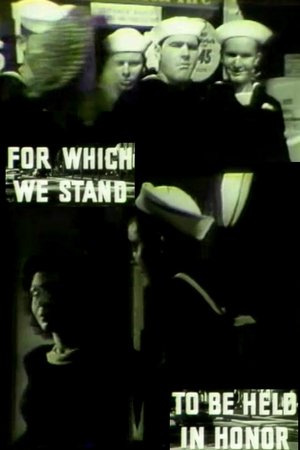
In this film, servicemen are strongly urged to forgo illicit and casual sex because it is degrading and contrary to divine will. The joys of marriage and family are stressed. Long-term happiness should be the goal, not immediate gratification. A medical officer discusses sexual abstinence, saying that it will not adversely affect a man's virility. A commanding officer points out that sexual promiscuity among troops is not just the concern of the medical officer and the chaplain. He says that self-control should be practiced by everyone. Marriage and family should be the goal of every man. A chaplain speaks of abstinence and self-control as obedience to divine law. Shots include: sailors with their families; a wedding; sailors picking up girls and visiting prostitutes. There is some animation.
Shows women how to cope with physical assault. Warns against dangerous situations, such as walking alone at night and driving alone, and prescribes several methods of self defense, such as kicks, the heel grind, and the knee lift.
Educational film for civil defense personnel on requirements for a fallout shelter. Explains types of shelters and degrees of protection.