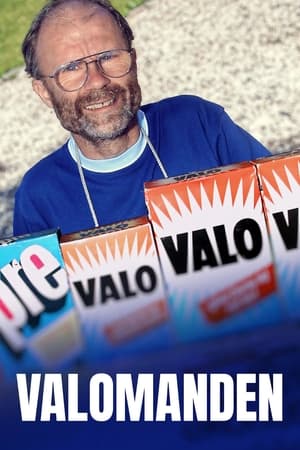
Valomanden
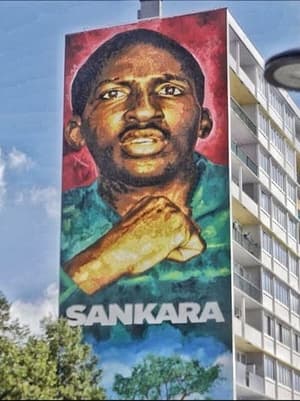
Sankara
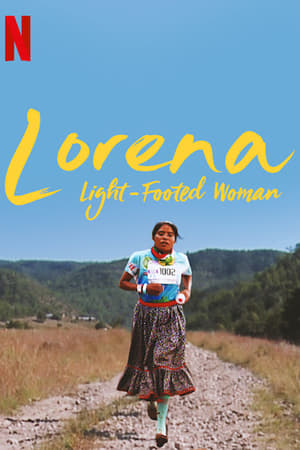
A young woman of the Tarahumara, well-known for their extraordinary long distance running abilities, wins ultramarathons seemingly out of nowhere despite running in sandals.
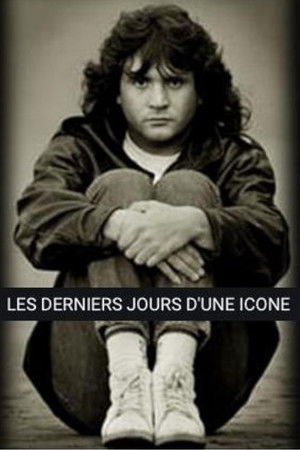
In 1986, during the Paris-Dakar rally, singer Daniel Balavoine, who was leading a humanitarian operation, was killed in a helicopter crash alongside Thierry Sabine. Nicolas Mathieu, his assistant, Léo Missir, his artistic director, HSH Albert of Monaco, and Charles Belvèze discuss the artist's career and his political and humanitarian commitments. Pierre Fauque and Anne Amado retrace the last moments of his life, from his arrival in Tamanrasset on January 6 to the day of his death in the desert, in the midst of a storm.
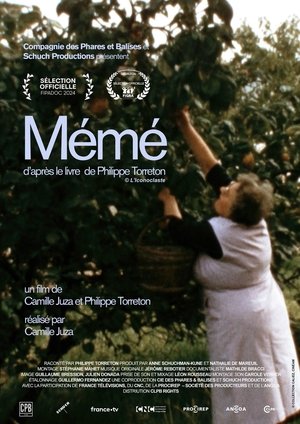
Adapted from famous French actor Philippe Torreton’s best-seller, GRANDMA is the portrait of the actor’s grandmother: a modest, unique but universal Norman peasant. Enriched with amateur films, nourished by major historical events, GRANDMA also tells the story of the end of a world, that of the countryside of our grandmothers, before the abyss of modernity.
A man tells the story of his three cats.
He was the gentle rebel of soul: Marvin Gaye, one of the greatest musicians of the 20th century. With his unmistakable voice and hits, he left an indelible mark on American pop culture—one that endures to this day.
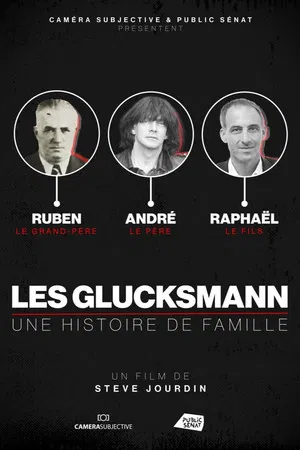
Les Glucksmann, une histoire de famille
Flacky et Camarades - Le Cheval de fer
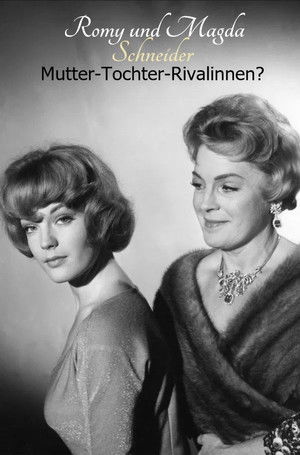
New light is shed on the complex relationship between Romy Schneider and her mother Magda, a German film star of the 1930s admired by Hitler - who welcomed her and her daughter to his chalet in Berchtesgaden.
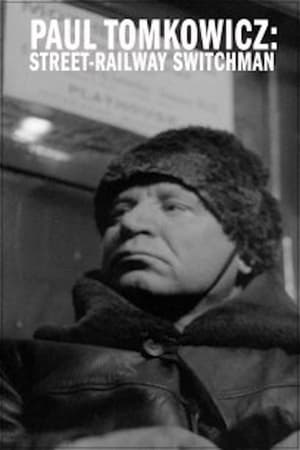
A self-narrated portrait of a Polish immigrant in Winnipeg whose unglamorous job keeping streetcar switches working reveals dignity, resilience, and pride in everyday labor.
T'Day
In track and field he’s remembered as The Greatest. Athletics' first commercially global star. Away from the spotlight, his is a life often misunderstood. Carl Lewis did it his own way - unwilling to conform to what the US expected from its athletes. Lewis won nine Olympic gold medals across four Games and was voted “Sportsman of the Century” by the International Olympic Committee. Yet he refused to be pigeonholed and, in doing so, he inspired change on and off the field. I’m Carl Lewis! delves into the consequences of his uncompromising drive.
Stop for Bud is Jørgen Leth's first film and the first in his long collaboration with Ole John. […] they wanted to "blow up cinematic conventions and invent cinematic language from scratch". The jazz pianist Bud Powell moves around Copenhagen -- through King's Garden, along the quay at Kalkbrænderihavnen, across a waste dump. […] Bud is alone, accompanied only by his music. […] Image and sound are two different things -- that's Leth's and John's principle. Dexter Gordon, the narrator, tells stories about Powell's famous left hand. In an obituary for Powell, dated 3 August 1966, Leth wrote: "He quite willingly, or better still, unresistingly, mechanically, let himself be directed. The film attempts to depict his strange duality about his surroundings. His touch on the keys was like he was burning his fingers -- that's what it looked like, and that's how it sounded. But outside his playing, and often right in the middle of it, too, he was simply gone, not there."
This documentary explores the inner life of François Mitterrand from a unique perspective: that of the writer he never ceased to be. From bookworm child to prolific author, from his brilliant speeches to his literary friendships, François Mitterrand's life cannot be separated from the literary world. His daughter Mazarine Pingeot undertakes to read the texts left behind by her father.
Clés du regard - Marcelle Cahn
Sancho Panza enters a movie theatre in a provincial city. He is looking for Don Quixote and he finds him sitting off to the side and staring at the screen. The theatre is almost full; the balcony is entirely occupied by noisy children… La proiezione è cominciata (The Projection Has Begun) is an adaptation of The Six Most Beautiful Minutes in the History of Cinema by Giorgio Agamben. It is a portrait in 24 daguerreotypes per second.
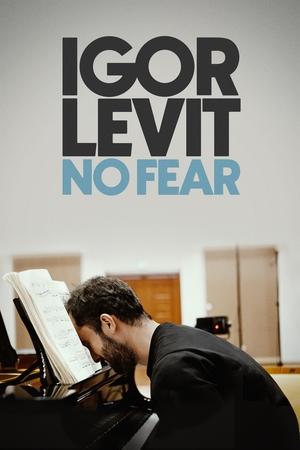
Follows the artist over two years as he explores his „life after Beethoven“, as he searches for his next challenge, his identity as an artist.
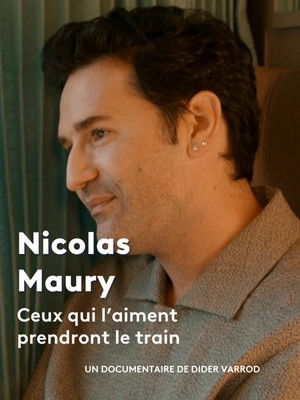
Between the nostalgia of resurfacing roots and the desire to venture into song to experience a rebirth, Nicolas Maury reveals himself unguarded before Didier Varrod, with a deeply moving sincerity. Nicolas Maury released his first album, La porcelaine de Limoges, in January 2023—a new experience for this unique, demanding, and multifaceted actor. It is an opportunity to paint an intimate portrait of him through an extended interview on a train between Paris and Limoges. In this specific setting, which was also that of his first (silent) film role with Patrice Chéreau in Those Who Love Me Can Take the Train, Nicolas discovers archives and hears from close acquaintances who speak about him. A documentary film, like a kind of initiation rite, it moves back and forth between memories of France and childhood, and his condition as a man and artist today, taking on a new identity through music.
'if you only had one year left of your life, what would you do?' This question asks Swiss author Franz Hohler. His answer: 'Make death your adviser to live life to the fullest.' He is one of several carefully chosen Swiss citizens who give us an insight into their personal views on life and death. Besides these colorful, oftentimes funny quotes we meet Tom, a 50-year old male that has been diagnosed with incurable brain tumor. Contrary to what one would expect, Tom takes his sickness not as a burden but as a chance and lives his life happier than ever before. This to the surprise of his family and friends and above all - himself. The film encourages people to live life more consciously.