La bande à Fifi : plus besoin d'Alibi
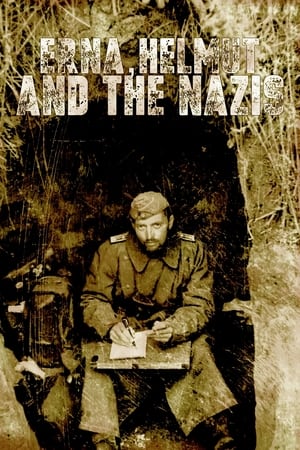
Notable for providing a bucolic, personal view of high-ranking Nazis. Eva Braun was the longtime romantic companion to Adolf Hitler, as well as a photographer and amateur filmmaker. Her 8mm Agfacolor-stock home movies, recorded at her leisure, were seized by the US Army in 1945. They were subsequently assembled into 8 reels, from 28 reels of original camera negatives. The US National Archives received this 8-reel film in 1947, and in 2012 began the digital restoration process.
Between the nostalgia of resurfacing roots and the desire to venture into song to experience a rebirth, Nicolas Maury reveals himself unguarded before Didier Varrod, with a deeply moving sincerity. Nicolas Maury released his first album, La porcelaine de Limoges, in January 2023—a new experience for this unique, demanding, and multifaceted actor. It is an opportunity to paint an intimate portrait of him through an extended interview on a train between Paris and Limoges. In this specific setting, which was also that of his first (silent) film role with Patrice Chéreau in Those Who Love Me Can Take the Train, Nicolas discovers archives and hears from close acquaintances who speak about him. A documentary film, like a kind of initiation rite, it moves back and forth between memories of France and childhood, and his condition as a man and artist today, taking on a new identity through music.
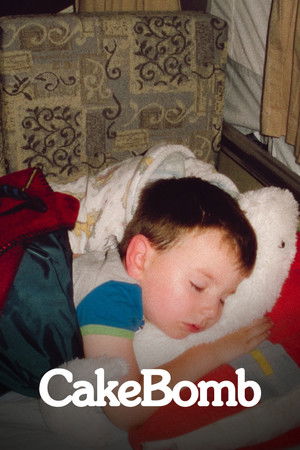
A short documentary film made up of archival footage shot in 2003, which was reworked and edited in 2018-2019. The film shows a haphazardly shot, fragmented property viewing and inventarisation through the eyes of a child, featuring a voice over by that same child. Because of having unrestricted access to their family’s camcorder as a child, there were a few instances where the artist's child form had shot ‘full length’ documentary films - with this documentary short being one of those instances. Often these documentations were a call for seeking comfort in a new surrounding, stemming from a deep fear of being forgotten or unheard, and a playful way of documenting one’s thoughts and feelings. In many ways the artist, Mees Joachim, was the original vlogger, before the advent of Youtube.
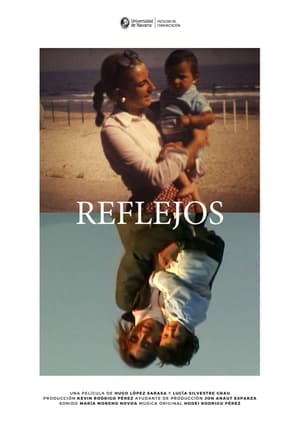
The memories of a woman, condensed into four periods.
Comprised of footage shot during the Nazi regime, including propaganda, newsreels, broadcasts and even some of Eva Braun's colorized personal home movies, we explore the way in which the Third Reich infiltrated the lives of the German population, from 1933 to 1945.
Michel Blanc, sur un malentendu
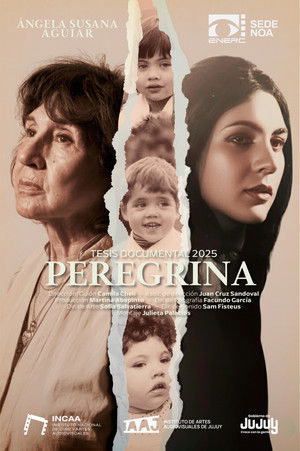
In this story, we follow María Inés, an elderly woman, on an intimate and revealing journey as she seeks to understand the cost of life. Divided into four chapters, the narrative immerses us in the everyday life of her home, a space filled with memories and remnants that reflect what once was and what remains. Among antique furniture and objects steeped in history, we witness the protagonist navigating her present while confronting the inevitable decline of her body and mind. This journey portrays, in a raw yet poetic way, the duality of existence: the beauty and the hardship of growing old.
Using testimonies by pioneers and witnesses of the times, delve into the feverish visual culture the media generated – with far-fetched examples of canine television games, seduction manuals, aerobics class while holding a baby, among others.
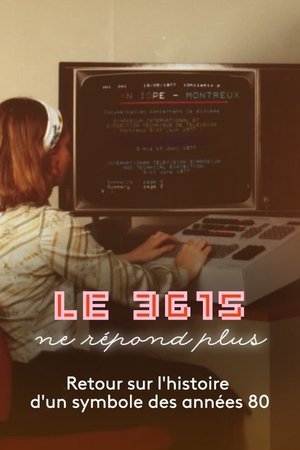
The adventure of the minitel, a small cubic terminal with a folding keyboard that began in the 1970s in the labs of France Telecom, is closely linked to Alsace. Alsatians had then in hand the future tools of interactive communication. What remains today of all those minitel years? Like a nocturnal and intimate road-movie, this documentary went to meet the last people who are still interested in the minitel, this strange beige box of access to telematic services, corny today, but pioneers at the end of the last century.
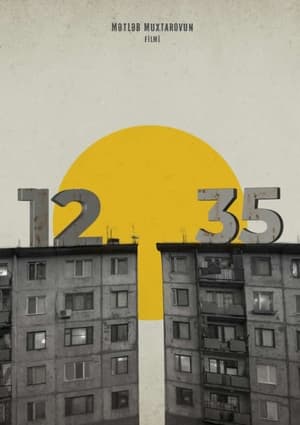
This film explores the lives of those men and the memories of those left behind: the childhoods they shared and the choices they made. These men, now in their 60s, reflect on what has happened to their generation, why most of their friends and relatives died so young and how this particular apartment block captures the story of a whole generation. The voices and lives of the departed are included in clips from amateur videos from the 1990s. Set against the background of old friends’ attempt to understand their deaths, this film is about nostalgia and how memories kindle a special kind of love for home.
The Vatican media documentary about the roots of Robert Francis Prevost in his native United States. It follows an itinerary that begins with his childhood in Dolton, through the memories of his brothers Louis and John, and continues among schools and universities, communities and parishes, featuring the voices of confreres, teachers, classmates, and longtime friends. A production of the Vatican Dicastery for Communication, in collaboration with the Archdiocese of Chicago and the Apostolate El Sembrador Nueva Evangelización (ESNE), broadcast on the official channels of Vatican Radio – Vatican News.
A documentary exploring Saudi Arabia's hidden film culture, following movie lovers who grew up without theaters in the 1980s and uncovering the nation's pre-1979 cinematic history through pioneers who kept their passion alive.
In the summer of 1975, the young director Steven Spielberg set new standards for cinema worldwide with an oversized shark bite, a plastic shark fin and an unmistakable two-note main theme composed by John Williams. With the horror from the deep, a man-eating, gigantic great white shark, the film of the same name became a similarly traumatic reference as Alfred Hitchcock's "Psycho": it triggered lasting primal fears across generations. On the beaches of the world, there was clearly a "before" and an "after". Steven Spielberg, who was only 28 at the time, not only set new standards for the thriller genre, but also hid his biting criticism of US capitalism in the 1970s behind it.
Two friends who worked in the vinyl record shop Panamá Radio remember the post-II World War days when they entered the working scene of the city, the music of the times and all the artists that visited the shop.
A staged birthday celebration and a visit to the director’s father’s home. From the interplay of memory and imagination, the film explores how family archives shape fictions of the past.
This documentary looks back on a career of a woman who, very early on, refused to accept the roles assigned to her. In the 1980s, while others were trying to please, she wrote "Les hommes préfèrent les grosses" (Men Prefer Fat Women), a manifesto ahead of its time, funny, feminist, and blunt. Later, with "Gazon maudit" (Damned Grass), she tackled homosexuality with a freedom that is still shocking today.
Hotel de Memórias
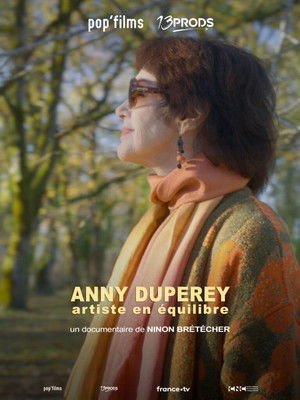
A popular actress, Anny Duperey lived a precarious life for many years until she found a place to settle down in Creuse. It is there that she keeps her photos, writes, and recharges her batteries. In this portrait, she breaks with convention by playing with her image and openly questioning the desires of an actress as her career is revisited.
Our favourite childhood toys spark powerful nostalgic feelings. When explored further, these feelings can have great influence over our lives by bringing us joy in an increasingly complex world.