Created by formerly incarcerated women, Degrees of Freedom chronicles the effort to restore college programming at Bedford Hills Correctional Facility after it was eliminated in the 1990s. Refusing to accept the loss of educational opportunity, the women organized to build a program and a lasting community of care that would go on to influence prison education efforts nationwide. Told by the women themselves, the film earned the Audience Award for Short Documentary at the Dances With Films Festival.
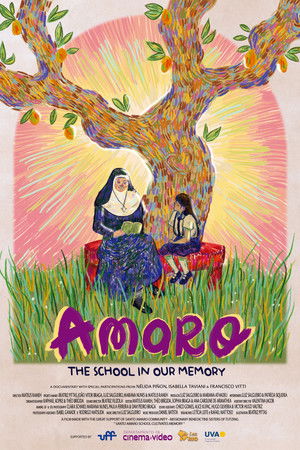
About to turn 100 years old, Santo Amaro School closed its doors in 2020, amid the pandemic, leaving former students in deep sorrow. The story of the school is now told by different generations of students, teachers, nuns and employees, who return to the school building to remember their time over there: an unreachable past, which, through memories, becomes present once again.
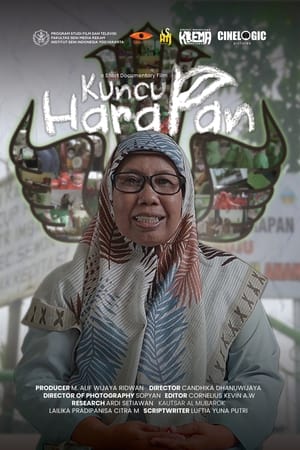
A short documentary around a kindergarten teacher at Kuncup Harapan, Yogyakarta.
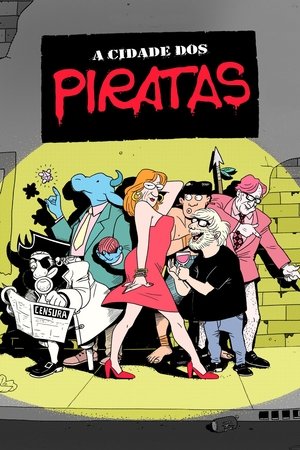
A film director faces a complex situation in the production of his new film: Laerte, the protagonist of the story, begins to renegade her former characters, the Pirates of the Tietê. Lost in this situation and determined to be faithful to his whims after seeing the approach of death, the director decides to tell his drama mixing his persona with the story, creating a chaotic labyrinth between fiction and real life.
In 2008 French filmmaker Julie Gali traveled to the US to film the election of Barack Obama. In spite of this victory for civil rights, it soon became apparent that the rights of another minority were under threat. In California the passing of Proposition 8 marked the only time in U.S. history that a civil right was actually taken away after it had been granted. Upon seeing this, Ms. Gali decided to immerse herself in the growing grassroots struggle of the gay community, which culminated in the October 11, 2009 March for Equality in Washington DC.
When temporary solutions become the status quo, who gets left behind? A Stop Gap Measure follows disability activist Luke Anderson in his fight for accessibility to be a right, not a privilege.
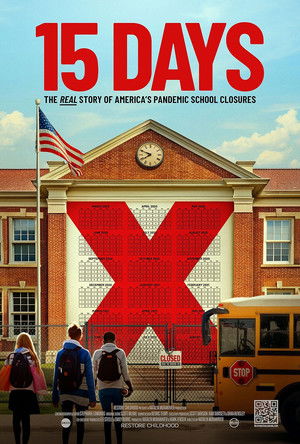
A documentary revealing why America's school closures lasted longer than almost any other nation. Framed as a forensic analysis of what happened to children during school closures, it blends director Natalya Murakhver's perspective as a Soviet immigrant with voices of children and families nationwide, exposing devastating learning loss, mental health crises, and inequality.
Liberté, égalité, improvisez !
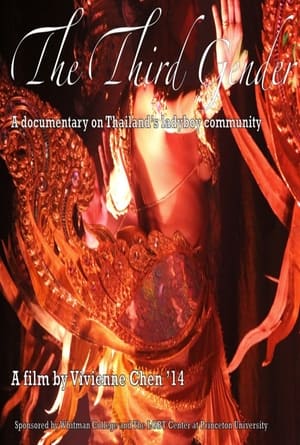
A short documentary chronicling the personal lives and narratives of Thai "ladyboys," who are born men but present themselves as women, living openly in Thai society. The film interviews ladyboys from all walks of life-- performers, filmmakers, activists-- to learn what it's like to live in a society with visible gender fluidity, and to explore if Thailand is really as open to and accepting of sexual diversity as it seems.
A trans paranormal investigator and their team search for the connection between the queer and the strange as they explore the mysterious and magical world of the rural south.
Las Raíces del Roble
A short documentary that discusses gender and reconciling with the past.
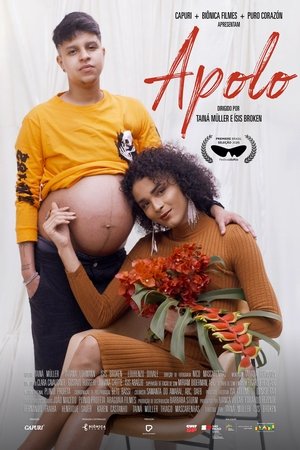
After naturally conceiving a child during the COVID-19 pandemic, trans-centered couple Isis and Lourenzo begin a journey across Brazil in search of respectful and specialized prenatal care, while fighting for their family's rights in what kills the most trans people in the world.
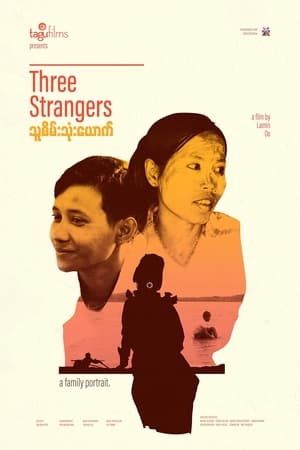
Gwa To, a transgender man from a remote village in Rakhine, plans for relationship impermanence, assuming all women will eventually move on to “real” men. Ma Soe, a high school dropout with a traveling troupe, has sworn off marriage because she doesn’t want to end up with a drunk like her father. At a village event, Gwa To sees Ma Soe sing and falls in love. After a brief period of courtship, Ma Soe and Gwa To live together as a couple. Their relationship is tested when Gwa To brings home a two-month old boy, Phoe Htoo, put up for adoption.
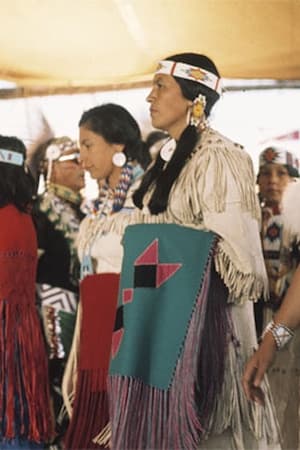
This short documentary examines an innovative educational program developed by John and Gerti Murdoch to teach Cree children their language via Cree folklore, photographs, artifacts, and books that were written and printed in the community. Made as part of the NFB’s groundbreaking Challenge for Change series, Cree Way shows that local control of the education curriculum has a place in Indigenous communities.
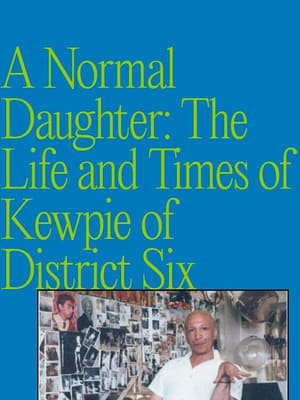
Before South Africa’s apartheid government in the 1970’s destroyed District Six, being gay, or “moffie,” was an accepted part of this racially and religiously diverse community in Cape Town. Kewpie's hairdressing salon was the epicenter of this culture, a meeting place where the “girls” organized drag balls and cabaret performances, all of which are captured through her amazing collection of snapshots.
Joseph Wilson meets the dance teacher fighting transphobic violence through voguing in Rio’s favelas.
Samuel Paty, le temps de la justice
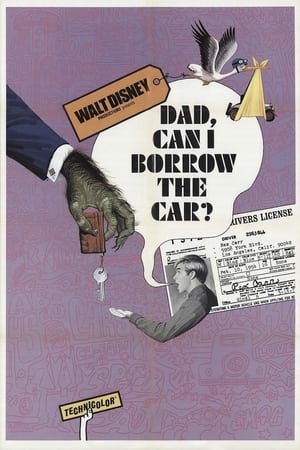
A live-action short, using many avant-garde film techniques, that looks at American car culture in the late 1960s. The main section deals with the many trials and obstacles a teenager must face on the path to being able to drive. Surviving the driver's education class is only the first step, as the teenager must then pass his driving test, and then finally get permission to borrow the family car.
A portrait of an unforgettable transgender schoolteacher in Herat, Afghanistan, who shines even with the prospect of the Taliban’s return.