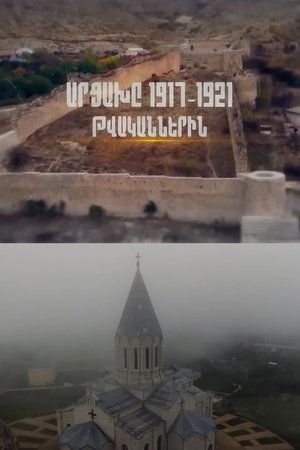
The 5th part of the Artsakh film series tells the story of the history of Artsakh from 1917 to 1921. It is analyzed by experts-historians and is based on indisputable historical facts.
Armed Struggle in Artsakh after the 17th Century. It is analyzed by experts-historians and is based on indisputable historical facts. The film tells the story of the period of the Khamsa kingdoms in Artsakh.

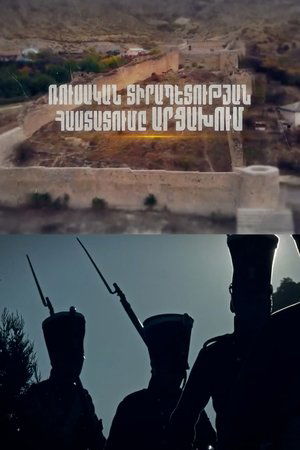
It is analyzed by experts-historians and is based on indisputable historical facts. The establishment of Russian rule in Artsakh
The documentary film presents the history of the province of Artsakh in Great Armenia until the 17th century. It is analyzed by experts-historians and is based on indisputable historical facts.
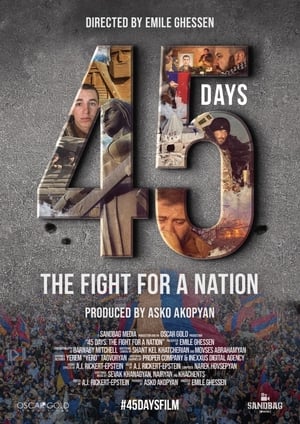
A feature documentary presented and directed by former Royal Marines Commando Emile Ghessen. The documentary tells the story of the 2020 war between Armenia and Azerbaijan over the disputed region of Nagorno Karabakh. In the fall of 2020, Armenia and Azerbaijan fought a brutal bloody war. Azerbaijan won, decisively. The feature documentary 45 Days: The Fight for a Nation tells the story of this conflict, from the Armenian perspective, focusing on the human cost of war and its impact on the large Armenian diaspora.
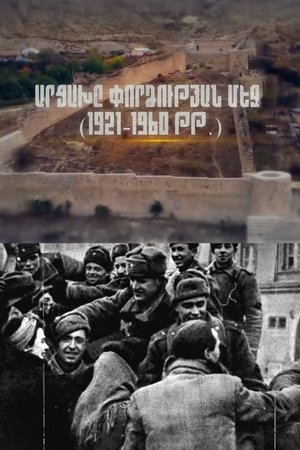
The 6th part of the Artsakh film series tells the story of the history of Artsakh from 1921 to 1960. It is analyzed by experts-historians and is based on indisputable historical facts.
The 40-day war has just ended in Armenia. David completed a 2-year service and has returned home from the front. Uncertain about his next steps, he is actively searching for a job that resonates with him. Arthur served in the army for a year and is currently on vacation. He continues his efforts to recall his favorite tune on the piano. Serezha harbors jealousy toward his brothers who experienced the war. He is getting ready to enlist in the army, as he will turn 18 this year. All three are brothers, and they are all Nina's children.
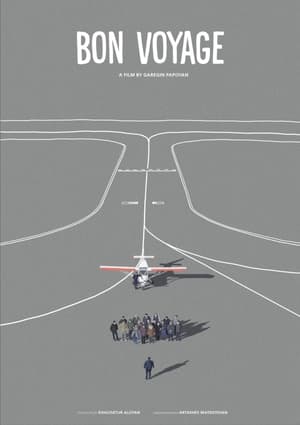
Stepanakert's only airport has been operational for 8 years, employing over 50 people. Something is not quite right, however...airplanes and passengers are nowhere to be seen.
In 2023, as a result of enemy aggression, Artsakh was finally depopulated after 9 months of blockade.
The movie is dedicated to the 44-day Artsakh war heroes' memory. Based on true stories.
In 2020, when a French robotics student investigates his mother's guarded secret about his true Armenian identity, he jeopardizes his university AI competition to travel to Artsakh and gets entangled in an unexpected full-scale war where he must rely on the evolving consciousness of his AI creation to save his life and learn the truth.
Dora is 84. She has lived through war, displacement, and loss—yet never lost her spirit. Each day she tends to her home and garden, preserving her dignity through familiar rhythm. In her wardrobe a suitcase and a pair of yellow shoes wait quietly. Dora’s Yellow Shoes is a poetic short documentary about memory, resilience, and the quiet rituals that hold a life together.
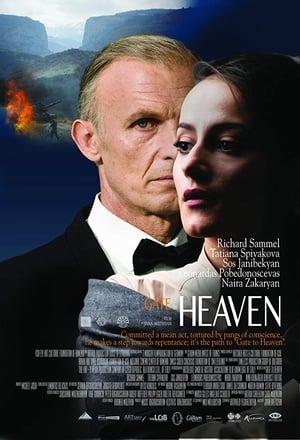
Robert Sternvall, a German journalist, returns to Artsakh in 2016 to cover the war which has been reignited after a 22-year ceasefire. In the result of his journalistic investigation, Robert meets Sophia, a young opera singer, who happens to be the daughter of missing photojournalist Edgar Martirosyan, whom Robert abandoned in captivity during the fall of the village of Talish in 1992. Robert and Sophia’s frequent rendezvouses ignite a passionate romance...
Through stop-motion animation, drawings and interviews, directors Amer Shomali and Paul Cowan recreate an astonishing true story from the First Palestinian Intifada: the Israeli army’s pursuit of eighteen cows, whose independent milk production on a Palestinian collective farm was declared "a threat to the national security of the state of Israel."
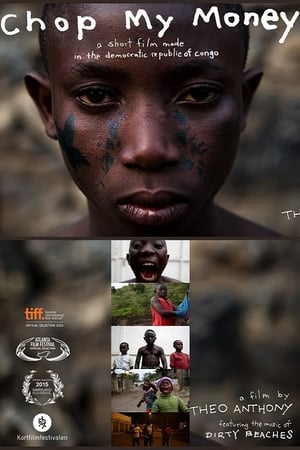
A day in the life of three street kids in the Eastern Congo. Featuring music by Dirty Beaches.
BLESSED BLESSED OBLIVION weaves together a portrait of masculine performativity in East Jerusalem, as manifested in gyms, body shops and hair dressing parlors.
The constant movement of the wheels, threads, sprockets, feet and hands suggests restlessness, and this is paralleled by the soundtrack. The unknown woman could be Gretchen from Faust, hopelessly in love or Ariadne who gave Theseus the thread to find his way out of labyrinth or perhaps she is one of the fates, weaving destiny… Enlarged from Super-8 to 35mm, the film is very grainy, in itself an homage to the medium of film which is also emphasized by the depiction of all kinds of turning machines, both in image and sound.
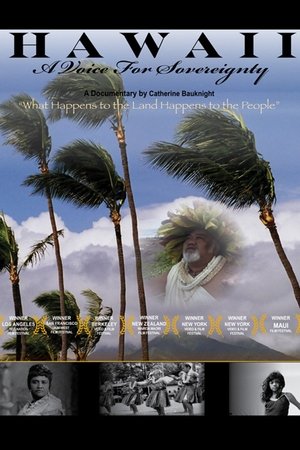
The goal of Hawaii, a Voice for Sovereignty is to raise awareness of the issues that threaten the Hawaiians ancient and once-environmentally-sustainable culture. It is an epic documentary about Hawaiian spirituality and the peoples close connection to the land. It focuses on the complicated social, economic and ecological issues that have arisen in Hawaii since the overthrow of Queen Liliuokalani by the United States in 1893. For Hawaiians, sovereignty is the legal, political and moral right to live on and care for the land; build and grow a sustainable economy; protect natural resources; practice spiritual and cultural traditions; honor their ancestral past; and care for family and community. The film is in the voice of native Hawaiian people who address the issues they continue to face in their long struggle to regain sovereignty over their rights and the native lands lost after the U.S. businessmen and military overthrew the Kingdom of Hawaii.
How Bizarre starts with Pauly at the height of his fame, appearing twice on the UK music show “Top of the Pops”, sharing the stage with Cher, the Spice Girls, Bryan Adams, Back Street Boys, Sheryl Crow and other ‘90s music icons, and then rewinds to show his rise from the mean streets of Otara to musical stardom.