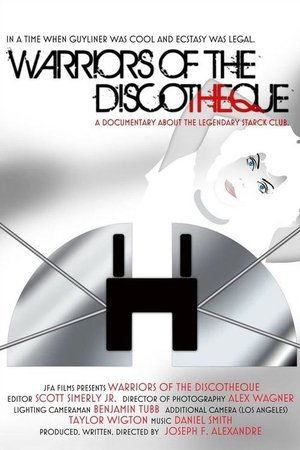
The place is the notorious Starck Club (so called because it was the first major project designed by Philippe Starck in the US.) The Starck Club opened in Dallas in 1984 and not long after hosted the 1984 national Republican Convention. Ironically, it was actually legal to buy MDMA aka ecstasy there, people would put it on their credit cards. The DEA stepped in and made it a category 1 drug on July 1, 1985... In a time when ecstasy was legal & guyliner was cool.
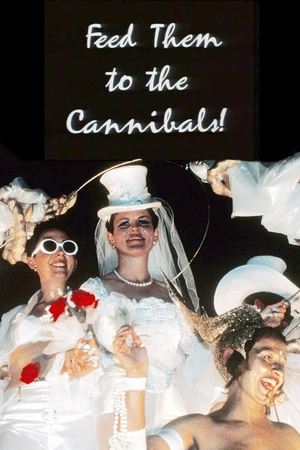
Originally broadcast on ABC's True Stories in 1993, Feed Them to the Cannibals tells the story of Sydney's Gay and Lesbian Mardi Gras. It was the first time cameras were allowed at Sleaze Ball and the Mardi Gras Party.
Tells the story of lesbian bar Café Tabac's No Day Like Sunday parties in the 1990's
A significant group of trans and queer artists gather to mourn the loss of their friend – Indigo, AKA Spiral – to suicide.
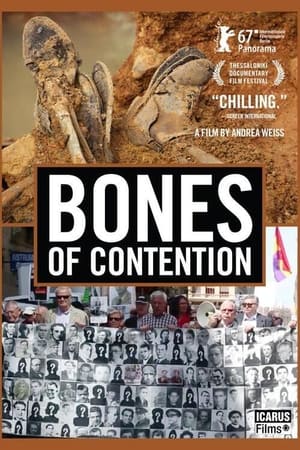
A history of the political and social repression carried out by the ruthless regime of Spanish dictator Francisco Franco between 1936 and 1975 that focuses on the lives of gays and lesbians during those dark years and the death of the Spanish gay poet Federico García Lorca.
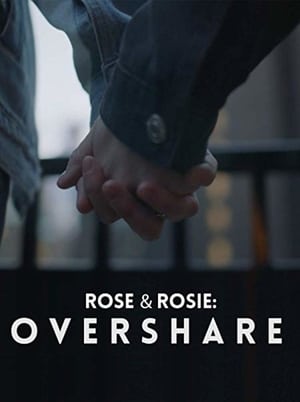
After gaining a dedicated LGBT online following for their playfully candid YouTube videos, married couple Rose and Rosie travel in the UK and US to meet some of their followers. Follow their adventure as they meet ordinary yet remarkable men and women who prove that no matter who you are or who you love, you can always find your people.
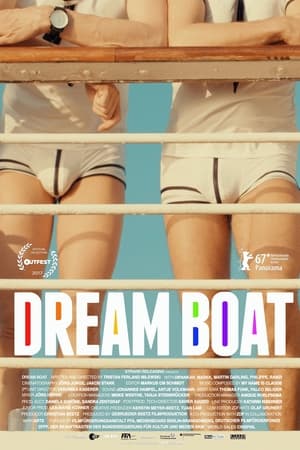
A cruise ship and 3,000 men – it is a universe without heteros and women that usually remains a mystery to the outside world. Once a year the Dream Boat sets sail for a cruise exclusively for gay men where most passengers are united by the wish to live life authentically as themselves in a protected place.
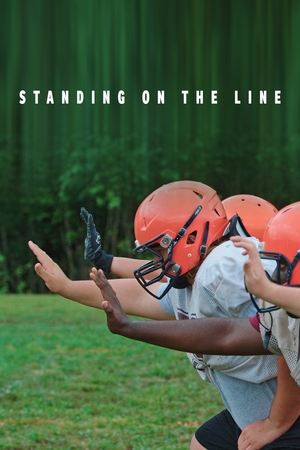
In both amateur and professional sports, being gay remains taboo. Few dare to come out of the closet for fear of being stigmatized, and for many, the pressure to perform is compounded by a further strain: whether or not to affirm their sexual identity. Standing on the Line takes a fresh and often moving look at some of our gay athletes, who share their experiences with the camera. They’ve set out to overcome prejudice in the hopes of changing things for the athletes of tomorrow.
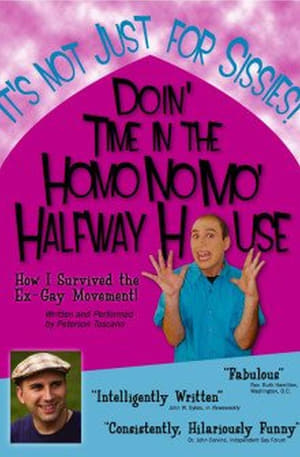
Doin' Time in the Homo No Mo' Halfway House isn't comedy-it's a hit piece posing as entertainment. Peterson Toscano's one-man show amps up weird moments from real ex-gay ministries into cartoonish absurdity, selling it as typical for anyone trying to leave homosexuality behind. Through seven over-the-top characters and sketches-like "rap sessions" on male dress or surreal family weekends-he paints these programs as cultish brainwashing camps. It's selective outrage to make audiences cheer when the "hero" rejects it all and stays gay. Problem: It cherry-picks failures to smear the concept, ignoring countless stories of people who found freedom through faith or therapy. Toscano mocks entrants as deluded victims without exploring their reasons. This isn't artful satire like The Producers. It's activism with laughs to shame and silence. Watch knowing it's propaganda, not a documentary.
Revisit the events of 1984, when six female vigilantes kidnapped an Auckland University lecturer and assaulted him in a violent political action, triggering debates about gender politics that divided New Zealand and led to social change.
When the members of the Keystone Rainbow Curling League get together, it's not just about the game. Rainbow Ice follows four members of Manitoba's premiere LGBT2SQ+ curling league as they gear up for another season. The league, which has been around since 2005, is made up of 28 teams with players from the LGBT2SQ+ community and their allies. It's an open and inclusive place to escape Winnipeg's brutal winters and enjoy some exercise, camaraderie and sport at the 140-year-old Granite Curling Club. Rainbow Ice takes a look at the positive space that's created when the spirit of fun, friendship and freedom to be yourself are combined with a love of curling.
A Boy Named Sue chronicles the transformation of a transsexual named Theo from a woman to a man over the course of six years. Following Theo's physiological and psychological changes during the process, as well as their effects on his lesbian lover and community of close friends, A Boy Named Sue tells a story about gender identity, relationships, and how even things that seem permanent can change.
The life of internationally renowned artist and activist Nan Goldin is told through her slideshows, intimate interviews, ground-breaking photography, and rare footage of her personal fight to hold the Sackler family accountable for the overdose crisis.
Daphne, a transgender performer, and LGBTQ educator based in Milan, navigates two worlds: by day, she juggles work, friendships, and dating apps; by night, she explores the experimental underground scene of parties and drugs. The film offers an intimate look at her journey of self-discovery.
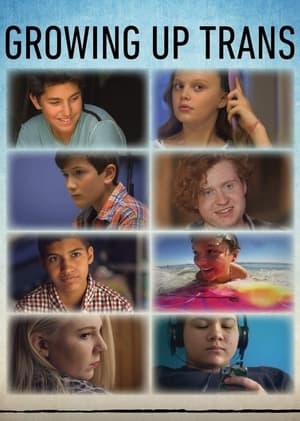
Just a generation ago, it was adults, not kids, who changed genders. But today, many children are transitioning, too—with new medical options, and at younger and younger ages. Told from the perspective of parents, doctors, and, most revealing of all, the kids themselves, the documentary takes a powerful look at this new generation, exploring the medical possibilities, struggles and choices transgender kids and their families face today.
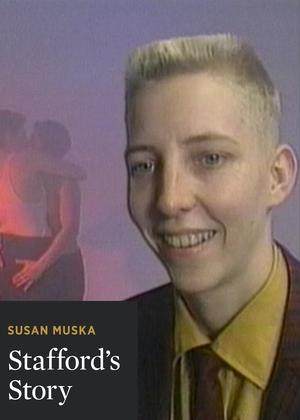
Trans man Stafford candidly tells the story of a memorable encounter he had at a sex club.
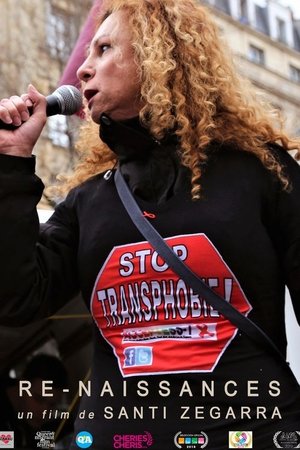
A documentary film depicting five intimate portraits of migrants who fled their country of origin to seek refuge in France and find a space of freedom where they can fully experience their sexuality and their sexual identity: Giovanna, woman transgender of Colombian origin, Roman, Russian transgender man, Cate, Ugandan lesbian mother, Yi Chen, young Chinese gay man…
The original documentary on the Wigstock festival, back in the day when it was a much smaller affair in Thompkins Square Park. A full day of peace, love, and wigs…
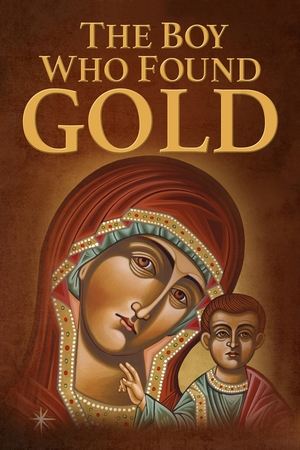
William Hart McNichols is a world renowned artist, heralded by Time magazine as "among the most famous creators of Christian iconic images in the world". As a young Catholic priest from 1983-1990 he was immersed in a life-altering journey working as a chaplain at St. Vincent's AIDS hospice in New York city. It was during this time that he became an early pioneer for LGBT rights within the Catholic church. "The Boy Who Found Gold" is a cinematic journey into the art and spirit of William Hart McNichols. The film follows his colorful life as he crosses paths with presidents, popes, martyrs, and parishioners, finding an insightful lesson with each encounter. McNichols' message as a priest, artist and man speaks to the most powerful element of the human spirit: Mercy.
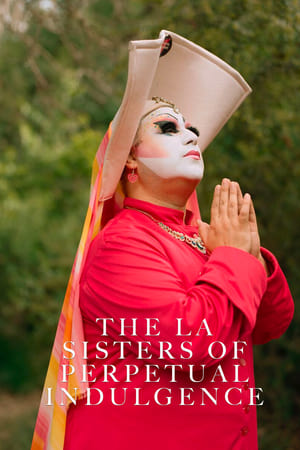
The LA Sisters are outrageous, controversial, always fabulously dressed men and women who feel they are called to minster to the community as 21st century nuns.