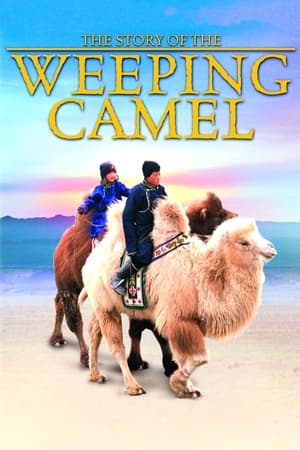
When a Mongolian nomadic family's newest camel colt is rejected by its mother, a musician is needed for a ritual to change her mind.
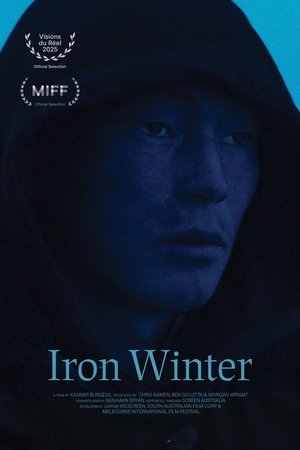
Iron Winter follows two young Mongolian horse herders who battle extreme winter cold to protect an ancient tradition that risks being lost forever. Set in the Tsakhir Valley of the Arkhangai province, one of the world's harshest human-inhabited environments, the film captures the herders' 150-day struggle to lead thousands of horses into the high country in search of edible grass hidden under the snow.
A documentary of the life of camel herders and the culture of adopting an orphan camel by "seducing" a mother-camel through a morin khuur (a horse fiddle) melody.
In Mongolia's timeless Altai Mountains, 13-year-old Kharakoz embodies a captivating blend of ancestral traditions and modern influences. As she learns the ancient art of eagle-hunting, the film delves into the powerful ripple effect of passing this sacred knowledge to girls.
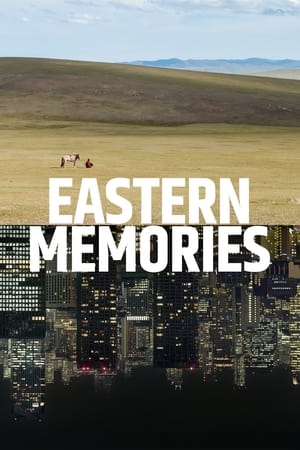
At the turn of the 19th and 20th century Finnish philologist G. J. Ramstedt travelled around Mongolia and Central-Asia. In this documentary Ramstedt’s memoirs are heard in the modern day setting, where tradition is replaced with hunger for money, and deserts give way to cities.
An old, broken morin khurr (horse head fiddle) compels renowned Mongolian singer Urna Chahar Tugchi to take a road journey to Ulan Bator and the steppes of Mongolia.
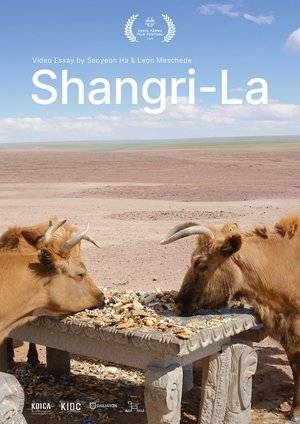
Shangri-La (2023) journeys through Mongolia from an intercultural perspective, reflecting on tradition, modernity, and the tension between indigenous and Western belief systems. As filmmakers from industrialized nations — Germany and South Korea — we critically examine our own positions as outsiders, questioning the ways in which histories, environments, and ways of knowing are perceived and represented.
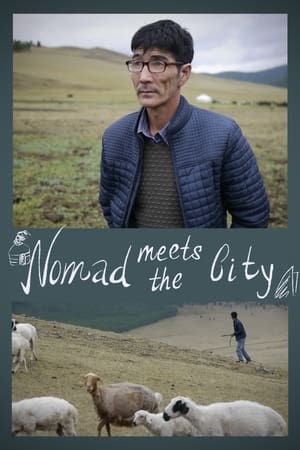
Currently Mongolia’s capital has 1.5 million inhabitants - half the population of the country. 50-year Tumurbaatar is only one of many coming to the city to fulfil their dreams of a better life.
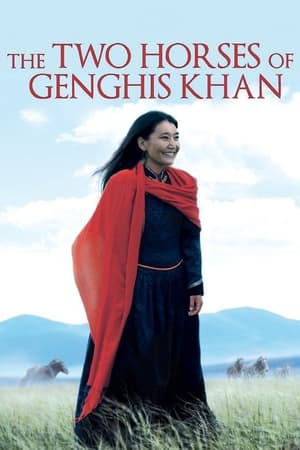
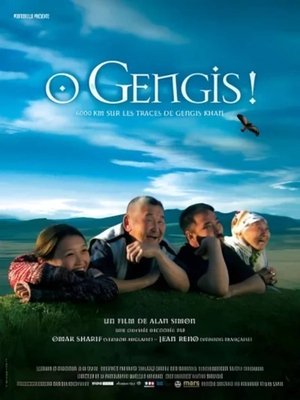
A family of Kalmyk nomads walks in the footsteps of their famous ancestor, Genghis Khan, on a dramatic journey of initiation along the ancient silk road.
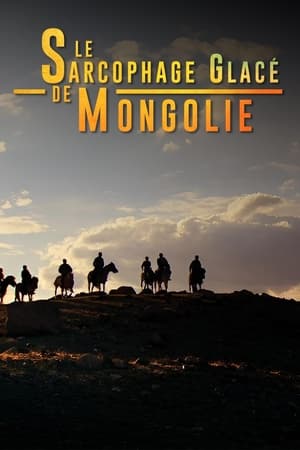
In the Frozen Tomb of Mongolia
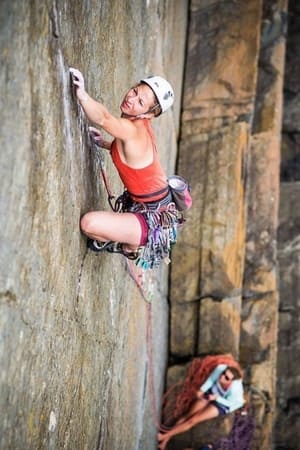
Best friends Hazel Findlay and Maddy Cope journey to the rocky outer reaches of Mongolia, on a quixotic search for new trad routes.
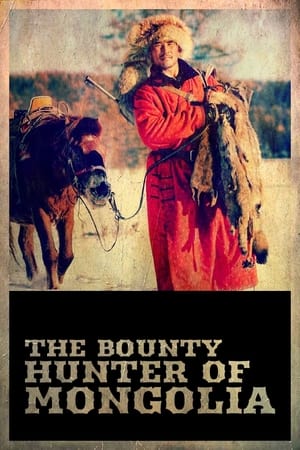
In the Darhat valley in northern Mongolia, the horses of nomadic tribes are stolen by bandits who then sell them to Russian slaughterhouses. Shukhert, a brave horseman, relentlessly pursues them through the Mongolian taiga, bordering Siberia.
In 2013, Mario Colonel photographed the nomads of the Kham mountains, a region in eastern Tibet. Near a monastery, he encountered a little girl on a pilgrimage with her family. The photograph he took of this young nomad quickly became iconic; it evokes a powerful emotion, thanks to the beauty and strength emanating from her gaze. He exhibited it in his gallery in Chamonix and sold it regularly. Magazines bought it for their covers. Eventually, it slipped from his grasp. In 2017, Mario wanted to find this little girl to tell her the story behind the image and share it with her. He decided to return to Kham with the photograph in hand to find Droma, whose first name was all he knew. This film retraces this quest in this mountainous region, this human adventure filled with encounters and original, endearing characters, far removed from idealized images.
The Fighting Dinosaurs
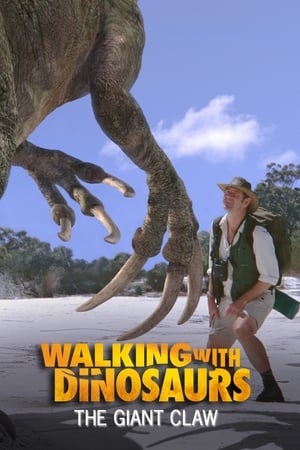
Journey back to the dunes of prehistoric Mongolia to find the owner of the largest claws of all time - Therizinosaurus. Presenter Nigel Marven's adventure covers vast nesting sites, skirts curious velociraptors and avoids the terrifying tarbosaurus so we can come face-to-face with The Giant Claw.
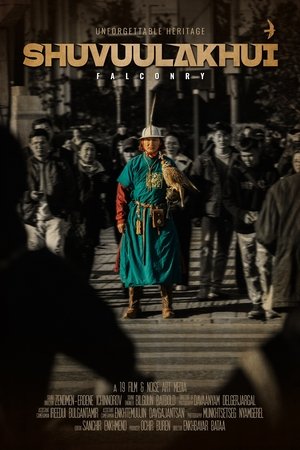
Batbileg lives in a ger district of Ulaanbaatar with his wife and two children, making a living by training falcons for hunting and showing them to tourists. Every year, at the beginning of summer, he captures and trains the hawks, and at the start of winter, he releases them back into the wild. One of his recurring endeavors begins with training a hawk named “Andgai.”(Oath). However, laws and regulations on bird training are lacking, and the densely populated urban environment, crowded with people and buildings, is far from suitable. Batbileg aims to revive Mongolia’s ancient falconry culture, raise public awareness of the value of falcons, and pass on conservation ideals to the younger generation. Yet, in the face of the many challenges before him, he is forced to confront a dilemma: should he comply with the law, or remain faithful to his ancestral tradition?
A captivating story of a quest to find shamans among a small band of nomadic, reindeer herders, known as the Dukha, who live in one of the most remote and hard to reach areas of Mongolia. The Dukha are among the last nomadic, animal-dependent, self-subsistence cultures remaining in the world. There are now less than 200 Dukha remaining. They live in small groups and migrate over an area of 6 million acres in the Sayan Mountain Range. Life for the Dukha tribe is simple and hard. Their way of life has been passed down through an untold number of human generations. They currently face many challenges as they struggle to maintain their ancestral lifestyle in an ever-changing world. Ancient shaman ceremonies are featured.
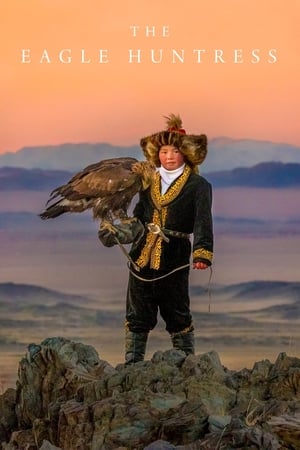
Follow Aisholpan, a 13-year-old girl, as she trains to become the first female in twelve generations of her Kazakh family to become an eagle hunter, and rise to the pinnacle of a tradition that has been typically been handed down from father to son for centuries.
Film for an exhibit on Mongolia in San Francisco.
A three-member team of the Films Division of the Government of India visited Mongolia during July 1986 to produce a documentary on the People's Republic of Mongolia.