In May 1974, the Israeli Air Force carried out an extermination operation against the Palestinian refugee camp Nabatiyeh. With this as a starting point, it is reviewed how the last 50 years of Zionist colonization of Palestine have partly led to the establishment of the state of Israel, partly to the expulsion of a people, the Palestinians, from their land. The film shows scenes of daily life in Palestinian refugee camps. We hear various of the inhabitants talk about their desire to return to their country, and we follow how the resistance movement works to free women from their traditional backward role. At the same time, the emergence of the armed resistance struggle is analysed, and the significance of the latest military technological developments for guerilla wars in the 3rd world is explained.
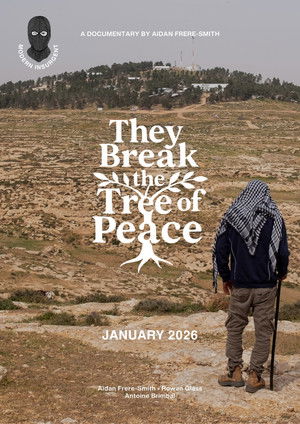
They Break the Tree of Peace explores the reality of life under military occupation in Masafer Yatta, documenting the violence, intimidation, and demolitions carried out and coordinated by illegal settlers and Israeli occupation forces against Palestinian communities.
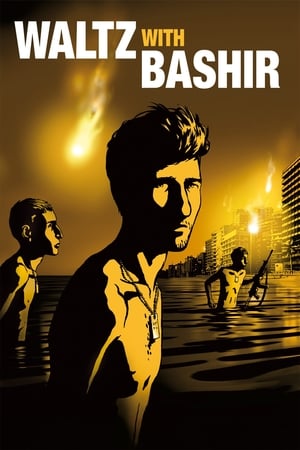
A film director from Israel interviews fellow veterans of the 1982 invasion of Lebanon to reconstruct his own memories of his term of service in that conflict.
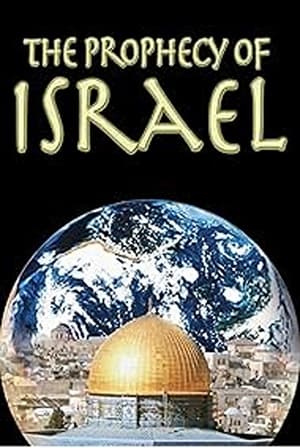
Bible expert Bill Gallatin explores biblical prophecies from the Book of Revelation that have transpired, with a discussion of whether these events signify that we are now living in the End Times preceding the return of Jesus Christ. Gallatin touches on events such as the increasingly acute difficulties in the Middle East, numerous environmental catastrophes, earthquakes and more, explaining how they connect to scriptural writings.
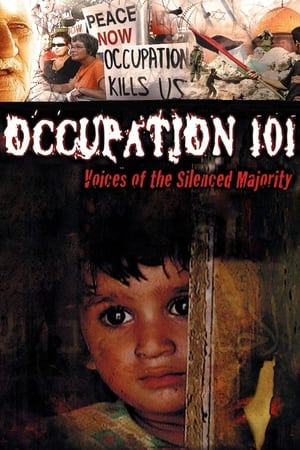
A thought-provoking documentary on the current and historical causes of the Israeli-Palestinian conflict and U.S. political involvement.
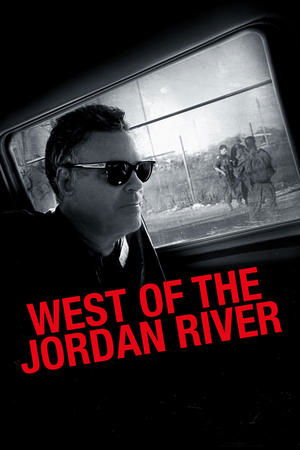
Amos Gitai returns to the occupied territories for the first time since his 1982 documentary FIELD DIARY. WEST OF THE JORDAN RIVER describes the efforts of citizens, Israelis and Palestinians, who are trying to overcome the consequences of occupation. Gitai's film shows the human ties woven by the military, human rights activists, journalists, mourning mothers and even Jewish settlers. Faced with the failure of politics to solve the occupation issue, these men and women rise and act in the name of their civic consciousness. This human energy is a proposal for long overdue change.
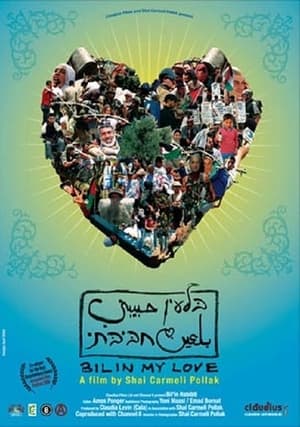
The Israeli filmmaker Shai Corneli Polak records the building of the 'security wall' through Palestinian territory at the village of Bil'in. The villagers protest mostly peacefully, while the Israeli army doesn't react peacefully. By now the Israeli High Court has ruled that the building of the wall was illegal.
Many prophets who authored the Tanakh of the Jews prophesied about the fate of the Jewish people and the State of Israel.
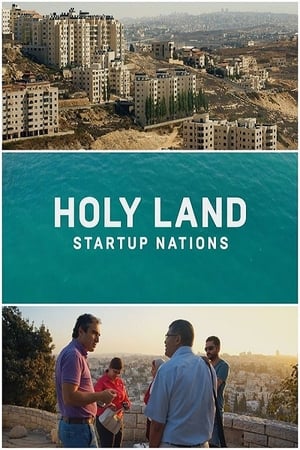
With the most tech startups and venture capital per capita in the world, Israel has long been hailed as The Startup Nation. WIRED’s feature-length documentary looks beyond Tel Aviv’s vibrant, liberal tech epicenter to the wider Holy Land region – the Palestinian territories, where a parallel Startup Nation story is emerging in East Jerusalem, Nazareth, Ramallah and other parts of the West Bank, as well as in the Israeli cybersecurity hub of Be’er Sheva. And we will learn how the fertile innovation ecosystem of Silicon Wadi has evolved as a result of its unique political, geographical and cultural situation and explore the future challenges – and solutions – these nations are facing.
Sima Shimony, age 69, embarks on a mission to find her friends and staff from the "ALYN" Institute for Children with Disabilities, which was situated in the secluded San-Simon monastery in Jerusalem, during the 1960s. Armed with a small camera attached to her wheelchair, she sets off on a journey across the country together with her friend Pini Newirth, also a polio child, to unfold and reclaim the story of the children affected by the Polio epidemic. In a futile attempt to rebuild their bodies so they could walk, the children were subjected to excruciating medical procedures with no parents or family at their side. But growing up together forged a group of remarkable, self-driven women and men with disabilities who eventually launched the Disability Rights movement in Israel.
This new documentary will look at how Hamas has used rape and sexual terror as weapons of war, inflicting physical, emotional and psychological trauma on women, children and men. The terrorist group’s attack on Israel on Oct. 7 resulted in approximately 1,200 deaths and 250 hostages. During and after the attack, countless cases of sexual violence, particularly against women and girls, were reported and documented at the Supernova Music Festival, as well as the kibbutzims and villages. The documentary will delve into these events though research and investigation, while following the victims’ journeys to recovery.
“In Gaza you have to get there in the evening, in spring, lock yourself in your room and from there listen to the sounds coming in through the open window.... It's 2018. I am 25 years old and a foreign traveler. I meet young Palestinians my age..”
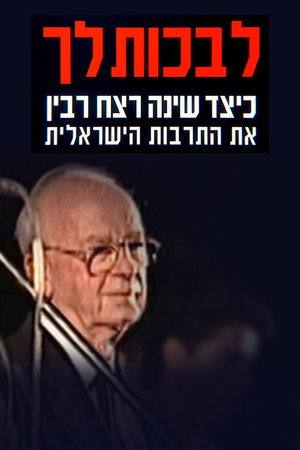
In a series of interviews with cultural and television figures, artists, and researchers, Shai Lahav attempts to deconstruct one of the most traumatic and formative moments in Israel's cultural and political history.
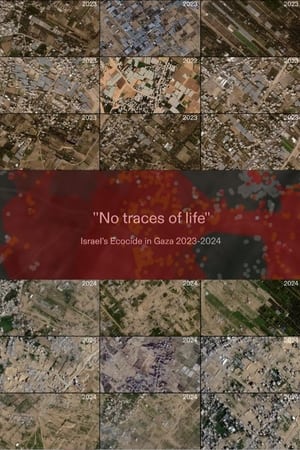
Building on Forensic Architecture’s previous investigation into herbicidal warfare and its effects on Palestinian farmers along the eastern perimeter of the occupied Gaza Strip, this investigation marks Land Day in Palestine by examining the systematic targeting of orchards and greenhouses by Israeli forces since October 2023. Our analysis reveals that this destruction is a widespread and deliberate act of ecocide that has exacerbated the ongoing catastrophic famine in Gaza and is part of a wider pattern of deliberately depriving Palestinians of critical resources for survival.
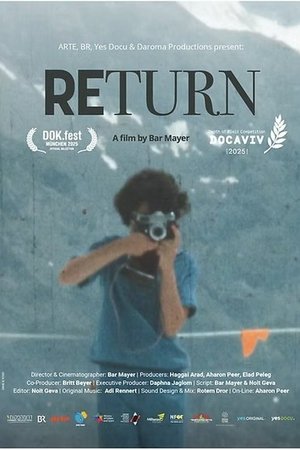
Return
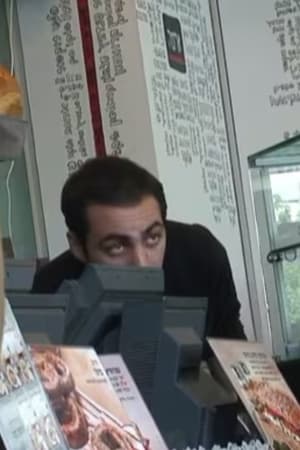
Foreign Names focuses on the worker displacement in a compilation of video clips from Aroma, a coffee shop chain. Ben-Ner’s video shows counter staff at the coffee shops yelling nonsensical English “names,” fabricated and given to them by the artist. The texts edited together become a lament of the waiters’ disappearance and the state of workers today.
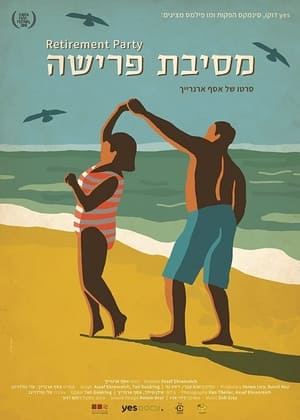
As retirement crept up on Assaf’s mother, she developed a mysterious illness. Now the entire family life is turned upside-down in turmoil…
The tenth annual camp of the members of the United Kibbutz in HaNoar HaOved VeHaLomed is set up in Tarshiha, where the youth of the kibbutz get up early for group activities and sports games, until night, when they dance around the fire. And in Naan, the mature members set up a court to hold a hearing, comparing municipal education and kibbutz education. Finally, the acceptance ceremony to the kibbutz takes place.
A tour of the small kibbutz Gadot, whose location, on the banks of the pastoral Jordan River, demands its residents be alert at all times to bombings by the Syrian army. However, the life of the kibbutz is not harmed – the children play, the youth of the kibbutz dance, and the work in the orchards and the farm does not stop.
An Israeli tour in the Golan Heights landscapes immediately after the Six Day War in which the area was occupied. The visitors go by a variety of interesting places, from the Syrian city of Quneitra to the inviting Ram Pool, to the Hermon-Banias River and Pan Cave.