A short documentary that celebrates Dene cultural reclamation and revitalization, in which a father passes on traditional knowledge to his child through the teachings of a caribou drum.
5 Times Chico: The San Francisco River and His People
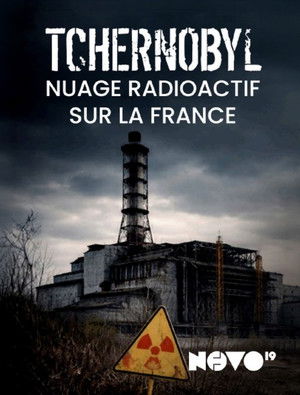
Tchernobyl : nuage radioactif sur la France
Jean-Sébastien Bach : "Jésus demeure ma joie"
The desert city of Las Vegas embodies the American Dream in its most extreme form. Turbo-capitalism and gigantic shows are a magnet for gamblers and adventurers. Since its founding, Las Vegas has developed into a global entertainment center, attracting millions of people and generating billions of dollars in revenue. From a dusty backwater, it has become a glittering gambling metropolis.
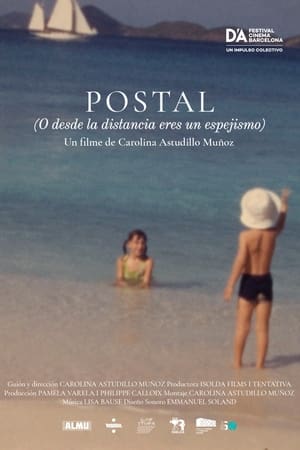
"The palm trees on the reverse are a delusion; so is the pink sand". This line, taken from a poem by Margaret Atwood, lights the path traced in "Postcard". As the years go by, landscapes transform, take on new meanings, and hold onto joys that will never be regained. The sea and the beach, once stages of happy summers, romances, and encounters, will turn into concentration camps or centers of detention and torture. This occurs across different times and places. In this piece, I embark on a journey through some of my works that explore the relationship between testimony, spaces, and time, engaging in dialogue with the beautiful film directed by Alejandro Segovia in 1972.
Highlighting the unique culture of the Zapotec people of Oaxaca, Mexico, this groundbreaking documentary chronicles the lives of those who identify as muxes, a widely recognized third gender.
La Station spatiale internationale - Missions à haut risque
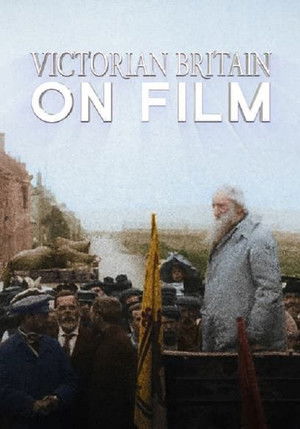
Offers audiences a unique window into a bygone era when a thrilling new invention, the motion picture camera, first captures a nation on film.
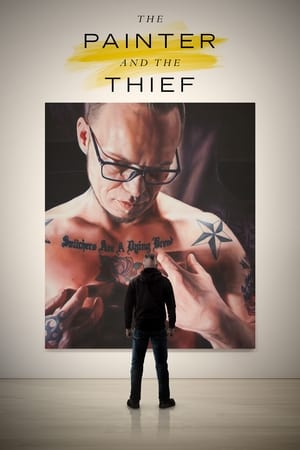
When two of artist Barbora Kysilkova’s most valuable paintings are stolen from a gallery at Frogner in Oslo, the police are able to find the thief after a few days, but the paintings are nowhere to be found. Barbora goes to the trial in hopes of finding clues, but instead she ends up asking the thief if she can paint a portrait of him. This will be the start of a very unusual friendship. Over three years, the cinematic documentary follows the incredible story of the artist looking for her stolen paintings, while at the same time turning the thief into art.
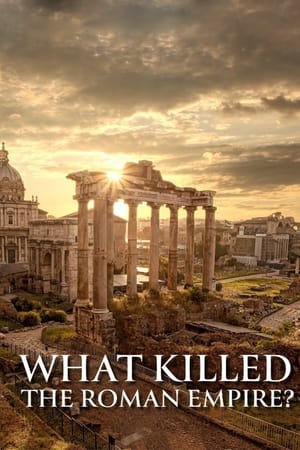
Why did the Roman Empire, which dominated Europe and the Mediterranean for five centuries, inexorably weaken until it disappeared? Archaeologists, specialists in ancient pathologies and climate historians are now accumulating clues converging on the same factors: a powerful cooling and pandemics. A disease, whose symptoms described by the Greek physician Galen are reminiscent of those of smallpox, struck Rome in 167, soon devastating its army. At the same time, a sudden climatic disorder that was underway as far as Eurasia caused agricultural yields to plummet and led to the westward migration of the Huns. Plagued by economic and military difficulties, attacked from all sides by barbarian tribes, the Roman edifice gradually cracked.
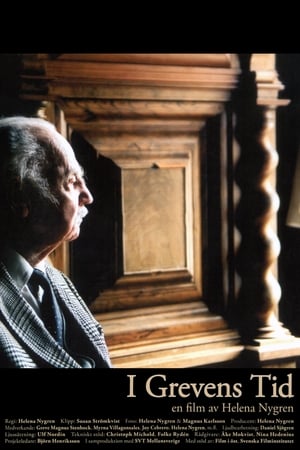
At the forests of Östergötland, where land meets sea, rests the old castle Herrborum. Here lives count Magnus Stenbock, 92, according to his own ideas about what is appropriate and what is not. Film-maker Helena Nygren is fascinated by the count and the castle, and is allowed to film on the condition that she takes the role of companion lady. Over one year, Helena returns several times to take part of count Magnus Stenbock and his servants life on castle Herrborum in Östergötland. Time stands still on the castle, and in the movie Helena wants to preserve the fairy tale feeling she gets when she steps into these ancient surroundings. The count is a strong personality with strong opinions and a great interest in history. All kinds of people come to his castle to savor the special atmosphere and follow the old fashioned rules of etiquette. Helena transforms from an observer to a lady who participates in the social games on the estate, where everything moves around its own time axis.
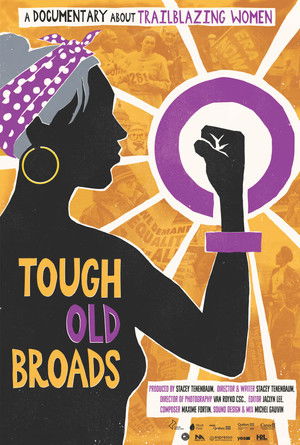
Kathrine Switzer, Siila Watt-Cloutier, and Sharon Farmer. They are the first woman to run the Boston Marathon officially, the first woman to connect climate change to human rights, and the first woman to serve as Chief White House Photographer. These trailblazing women broke barriers in their time and continue to pursue their passions to this day. They’re living proof that you can follow your dreams and maybe change the world in the process.
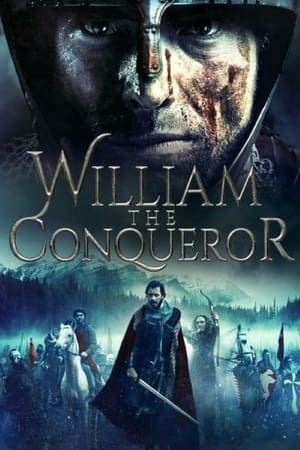
Blending drama with the explanations of passionate historians and specialists, this enriched historical reconstruction traces 60 years in the life a man who transformed the Middle Ages and laid the foundation of modern Europe, William The Conqueror.
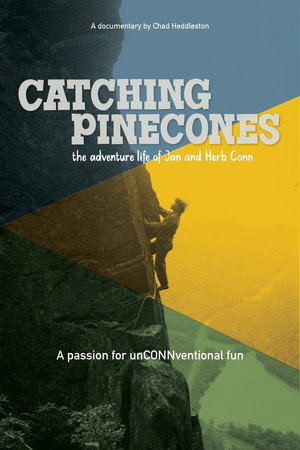
Jan and Herb Conn were the original American dirtbag couple, pioneering rock climbers and cave explorers who rejected a conventional lifestyle in pursuit of adventure and fun. The Conns’ story reveals a legacy of renowned discoveries and their philosophies for a rewarding, well-lived life.
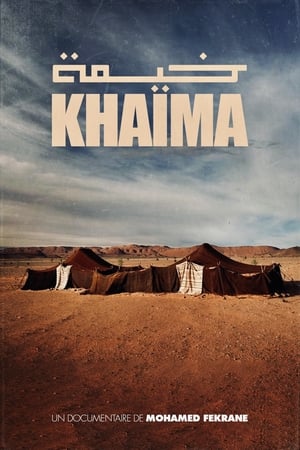
Khaïma
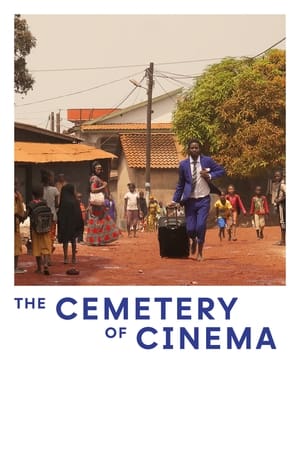
Thierno Souleymane Diallo sets out with his camera in search of the birth of filmmaking in Guinea. Charming and determined, he traces his country’s film heritage and history and reveals the importance of film archives.
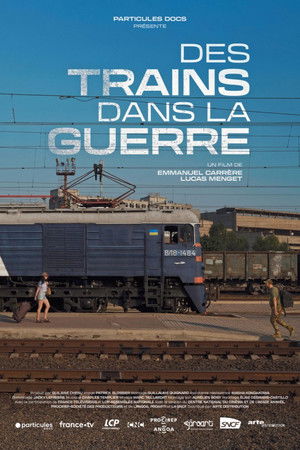
Des trains dans la guerre
Benutzt und gesteuert – Künstler im Netz der CIA
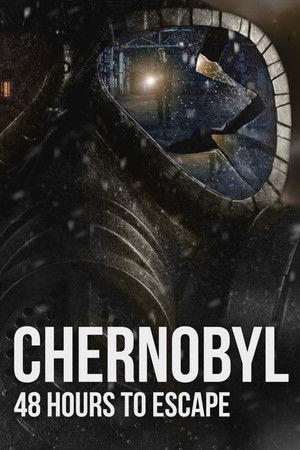
Witnesses, survivors and front-line heroes recall the first days of the Chernobyl disaster of April 1986. Featuring rare archive footage of the world's worst ever nuclear accident.