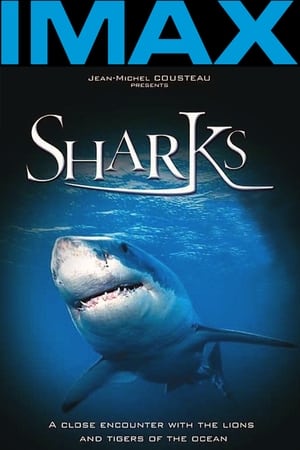
Jean-Michel Cousteau invites you to embark on a breathtaking underwater voyage to discover the ultimate predator: the shark. Experience an astonishing up-close encounter in 3D with the lions and tigers of the ocean.
A study in the ecology and conservation of whale sharks, the largest fish in the world and a vegetarian one at that.
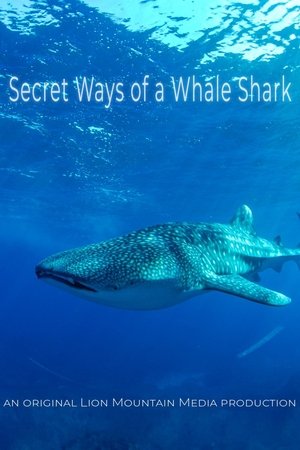
Beginning at the fabulous coral reef of Ningaloo in Western Australia, intrepid marine biologist Mark Meakin attempts to unravel the mysterious wanderings of the biggest fish in the sea. Whale sharks grow to over 12 metres long but are gentle, filter-feeding giants; even Mark's five-year-old son can swim alongside them. Yet no-one knows where they go once they leave Ningaloo's turquoise lagoons. Using satellite tags and photo IDs, Mark tracks them to the white coral beaches of the Seychelles and the tropical jewel of Christmas Island, where bright-red land crabs begin their annual migration. It's hard work, taking in 20 failed satellite tags and countless frustrating dives, before Mark makes a breakthrough which doesn't just add to our understanding of these huge 'dinosaur fish' but offers crucial information about how the whale sharks of Ningaloo can be protected better.
Le long voyage d'un requin-baleine
An inspiring story that shows how the presence of a marine species can affect the entire economy and the whole society of one of the smallest islands of the Azores, the Island of Santa Maria. It is the only place in Europe where a large number of whale sharks are sighted and in addition their migration is shrouded in mystery, no one knows where they come from, where they are going … and why they appear surrounded by thousands of tunas. It also accompanies the scientific expeditions that for 11 years have tried to unveil the secrets of these giants and to know if their recent presence is linked to global warming and rising water temperatures around the Azores.
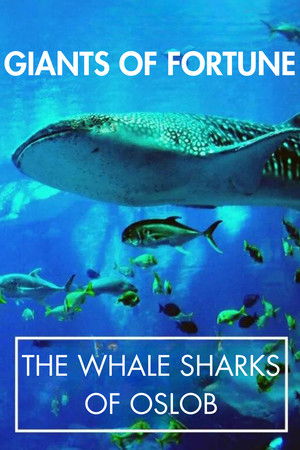
In the little Filipino village of Oslob, people suffer from the scourge of typhoons and overfishing. Things seem bleak for fisherman Zosimo and his family until the world's biggest shark, the whale shark, comes along and changes everything. One day, a tourist asks to join Zosimo on the boat to take photos of the sharks. Once the pictures appear on the Internet, the lives of Zosimo, his children, and all of those living in the region get turned upside down.
Discover Zanzibar, one of the world’s most exotic island chains. A paradise of pristine beaches, coral reefs, ancient forests, and extraordinary wildlife. From whale sharks and manta rays in the Indian Ocean to giant tortoises, flying foxes, red colobus monkeys, coconut crabs, and other remarkable creatures, this documentary reveals how isolation, abundant food, and few predators turned Zanzibar into a land of giants.
A story about two lonely people who met during the whale shark watching season in Donsol, Sorsogon.
An unprecedented ocean odyssey, following in the wake of the largest and perhaps most enigmatic fish in the sea.
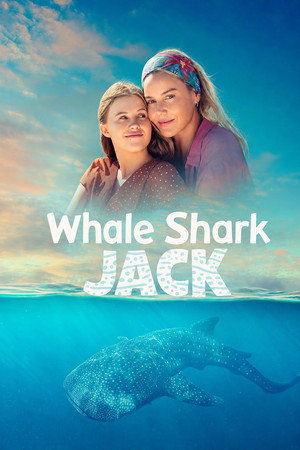
Sarah, 12, lives on a boat with her parents, who research whale sharks. Her only friend is a whale shark named Jack, who Sarah rescued when he was a pup. But following a tragic accident, mum and Sarah move to the coastal town of Exmouth. Desperate to return to her old life, Sarah pegs all her hopes on Jack, certain that when his migration brings him back to Exmouth, mum will take her out on the boat again. But Jack fails to return, so Sarah embarks on a risky mission to find him.
A medium-length documentary commissioned by the Cuenca City Council. The documentary shows an honest, sincere, although sometimes mere tourist portrait, of the lands of Cuenca and its people, without artifice or imposture, with feeling and authenticity and at the same time with marked coldness.
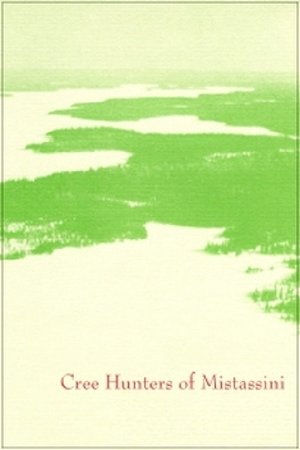
An NFB crew filmed a group of three families, Cree hunters from Mistassini. Since times predating agriculture, this First Nations people have gone to the bush of the James Bay and Ungava Bay area to hunt. We see the building of the winter camp, the hunting and the rhythms of Cree family life.
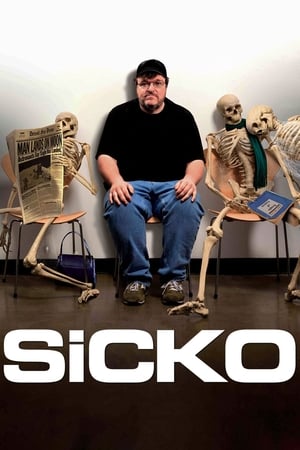
A documentary about the corrupt health care system in The United States whose main goal is to make profit even if it means losing people’s lives. "The more people you deny health insurance, the more money we make" is the business model for health care providers in America.
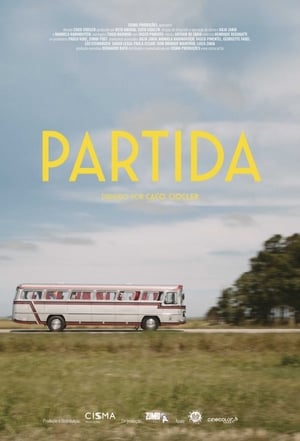
The film documents the construction of political thinking of the newest candidate for the presidency of the Republic of Brazil by the female PARTY, the actress Georgette Fadel, from her relationship with an unusual troupe of ten people who accompany her on an initiatory journey in search of hers greatest reference, Pepe Mujica, in Uruguay.
A documentary about the infiltration by parachute drop of Free French by the OSS on the eve of D-Day.
Wolves divide and fascinate us. 150 years after they were driven to extinction in Central Europe, they are returning slowly but inexorably. Are they dangerous to humans? Is it possible to coexist? Using Switzerland as a point of departure, where wolves have returned in the very recent past, this documentary sheds light on the wolf situation in Austria, eastern Germany, Poland, Bulgaria, and even Minnesota, where freely roaming packs of wolves are more common sight.
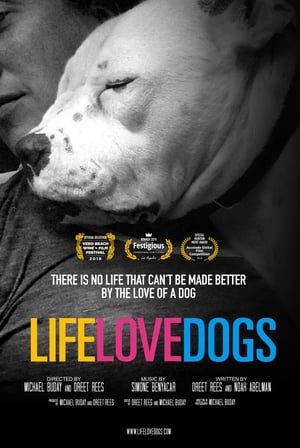
Heartwarming, inspiring documentary that explores the unbreakable bonds we share with our dogs & how humans and dogs rescue each other.
The raft man Manuel Jacaré was swallowed by the sea when Orson Welles was filming It's All True in 1942. The fact evokes memories of the dictatorship of the Estado Novo, of World War II, of Ceará fishermen's struggle for labor rights and housing in their traditional space - target of real estate speculation.
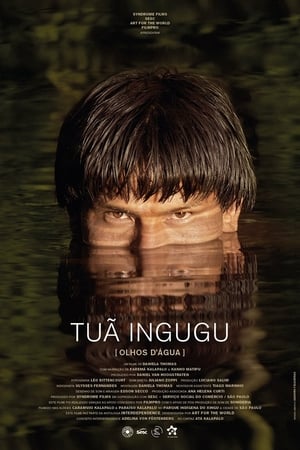
In the Kalapalo cosmogony (an ethnic group that lives in the Xingú Indigenous Park), water is as old as humans and is the source of life. That is where all their sustenance comes from, their food, their drink, their joy. The idea of using water as a dumpster, of poisoning water is a dystopia. In this documentary Chief Faremá —from Caramujo village on the banks of the Kuluene River— tells us about the birth of water and warns us about the consequences of disrespecting it.
Documentary on the Royale Galery Saint-Hubert in Brussels.