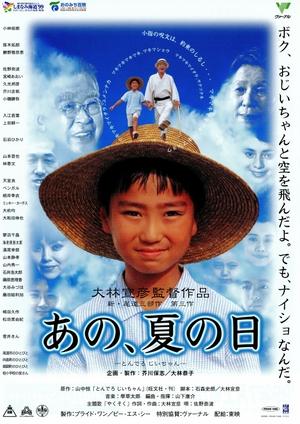
The tragic, true story about Hachikō, an Akita dog who was loyal to his master, Professor Ueno, even after Ueno's death.
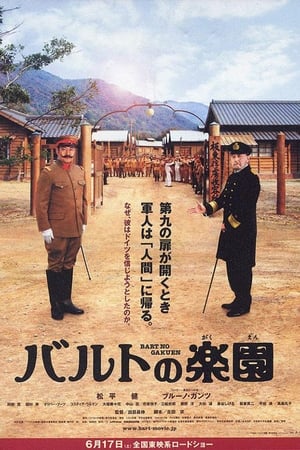
Based on the true story of the Bandō prisoner-of-war camp in World War I. It depicts the friendship of the German POWs with the director of the camp and local residents at the stage of Naruto, Tokushima Prefecture, in Japan.
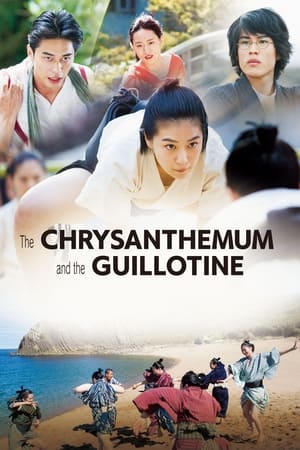
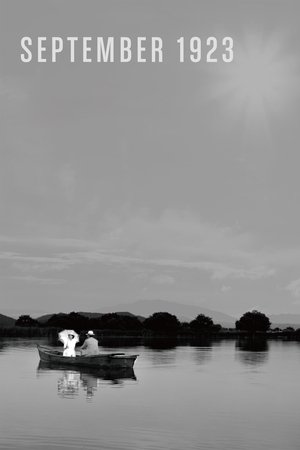
In the wake of the social unrest caused by the 1923 Great Kanto Earthquake, two female sumo athletes, Kiku and Tokachi, and an anarchist group called the Guillotine Society, spark an unlikely connection.
Based on the first novel, Spring Snow, of Mishima Yukio's Sea of Fertility tetralogy, it follows the troubled and illicit affair between two youngsters amongst the aristocracy and rich of early twentieth century Japan.
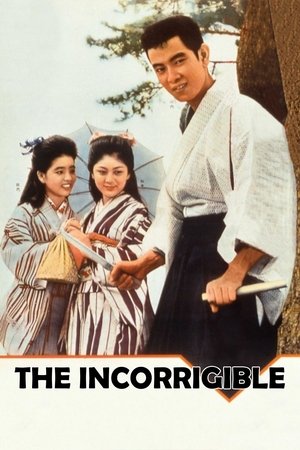
Based on the loosely autobiographical novel of the same name by Toko Kon. Ken Yamanouchi stars as Togo Konno, the titular bastard.
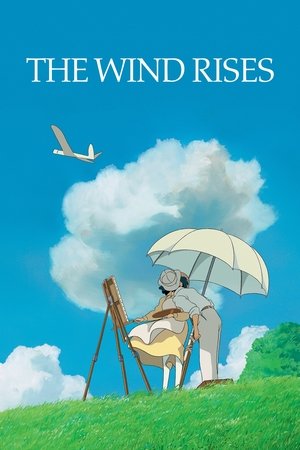
A lifelong love of flight inspires Japanese aviation engineer Jiro Horikoshi, whose storied career includes the creation of the A-6M World War II fighter plane.
Set at a movie theater in a small village around 100 years ago. Silent films are play at the movie theater. A young man aspires to become a benshi, a performer that provides live narration to silent films.
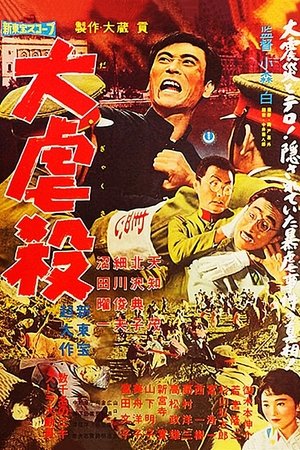
On September 1, 1923, an unprecedented earthquake hit the Kanto region. The streets are filled with victims, and rumors are circulating around. The military seized the opportunity to round up and kill many socialists, anarchists, and Koreans, culminating in the arrest and murder of Sakae Osugi. His comrades and students are outraged by this atrocity. The young man Furukawa also becomes stronger in his determination to overthrow the military...
Based on the murder of nine street peddlers in the aftermath of the Great Kanto earthquake.
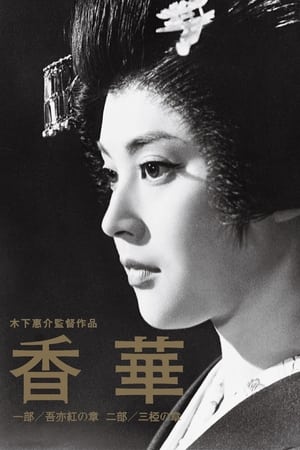
After her mother runs away from home, Tomoko is raised to be a geisha. One day Tomoko meets her mother in a red-light district in Tokyo and her life deeply gets in trouble.
Tanjiro Kamado returns home to find his family slaughtered and the lone survivor, his sister Nezuko, turned into a Demon. To his surprise, however, Nezuko still shows signs of human emotion and thought. Thus begins Tanjiro's journey to seek out the Demon who killed their family and turn his sister human again. A recap of Kimetsu no Yaiba episodes 1–5, with new footage and special end credits.
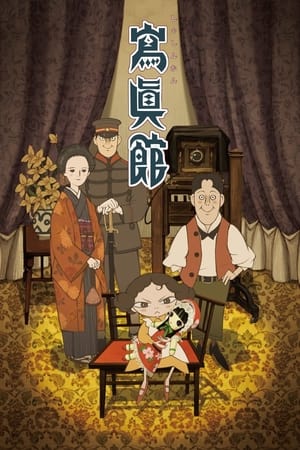
Late 19th century Japan: a studio photographer who always captures his clients’ best smile. One day he tries to coax a smile out of a little girl, but… A nostalgic tale of a relationship that transcends wars and disasters.
In the summer of 1921 (Taisho 10), a major labour dispute broke out at the Kawasaki-Mitsubishi shipyard in Kobe. The Kawasaki-Mitsubishi dispute is said to be the largest labour dispute in the pre-war period, with an unprecedented scale of 30,000 participants. The dispute, which had been fiercely fought for more than 40 days under the scorching sun, ended with the declaration of defeat by the workers. This live-action film, only nine minutes long and silent, provides a glimpse into the grand demonstration on July 10th, when the dispute was at its peak. Filming was done by the Nikkatsu film crew at the request of the Ohara Institute for Social Research.
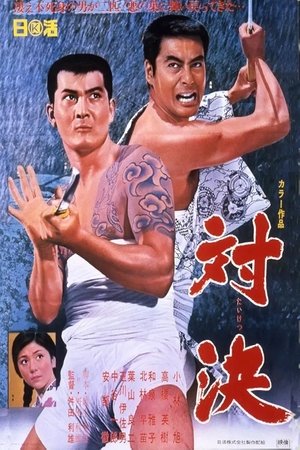
Shogi, a Japanese form of chess, is a game that requires skill and determination. When poor sandal-maker Sakata decides to pursue his dream of becoming the Shogi Grand Master Champion, everything is at stake – including his family. What will it cost for Sakata to follow his passion?
During the Taisho era of 1918, 17-year-old Benio Hanamura thrives on bucking tradition. As a boisterous and quarrelsome tomboy, Miss Hanamura leads a life of kendo and tree-climbing adventure with her best friends Tamaki and Ranmaru. Benio determines to find love on her own, though her family has other plans. Benio will encounter tests of love, independence, and friendship during wartime.
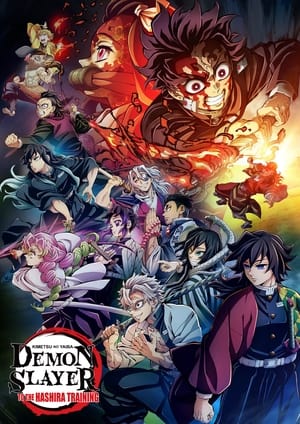
Tanjiro undergoes rigorous training with the Stone Hashira, Himejima, in his quest to become a Hashira. Meanwhile, Muzan continues to search for Nezuko and Ubuyashiki. A recap of Kimetsu no Yaiba episodes 55–56, with new footage and special end credits.
In the winter of 1922 (Taisho 11), a poet and social activist Nakahama Tetsu returned from a wandering journey to reunite with Furuta Daijiro and other comrades. They organized an anarchist organization “Guillotine Society” dreaming of revolution. For their ideal, they targeted the Prince of Wales who visited Japan, but failed in all their attempts. Matsuura Emile, a soba selling mysterious woman with all foreseeing eyes, comes and goes before them. In September of 1923 (Taisho 12), under martial law, anarchists Osugi Sakae and Ito Noe whom members of Guillotine Society adored were taken by Captain Amakasu of the military police, and killed. When they learned of the murder, members of Guillotine Society swore vengeance, and rose up… Then, transcending time, at a cafe, music rings loud….
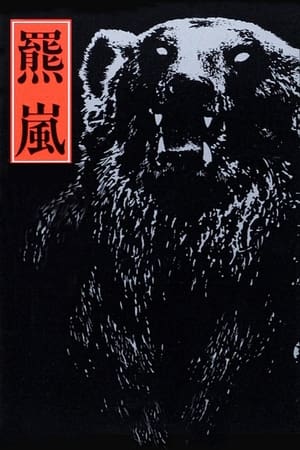
An adaptation of Akira Yoshimura's original suspense novel starring Rentaro Mikuni. 4th year of the Taishō era. About 15 families who moved in search of agricultural land to the land of the pioneers in Hokkaido led a peaceful life. One day, one of the pioneers, Mikio Shimakawa's wife Yura, and her child Taichi are attacked and killed by a bear that cannot hibernate. To resolve the situation, Shimakawa goes against all odds and turns to Ginshiro, the most hated hunter in the village, for help. While Shimakawa was away from the village, Yura and his friends were holding a funeral, the bear attacked again...
A woman, Tome, is born to a lower class family in Japan in 1918. The title refers to an insect, repeating its mistakes, as in an infinite circle. Imamura, with this metaphor, introduces the life of Tome, who keeps trying to change her poor life.
Pre-war Asakusa was a riotous district of cabarets, dance-halls and brothels - a striking backdrop for Shimazu's story of innocence and experience. Pretty, young Reiko is the new dancer in an infamous theatre troupe, and her fellow performers try to protect her virtue in a land of vice. Meanwhile, an ageing actor wants to be a hero off stage as well as on, and the troupe matriarch Marie has to keep them all together.