Before 2NE1 achieved global success, Sandara was already a superstar in the Philippines.
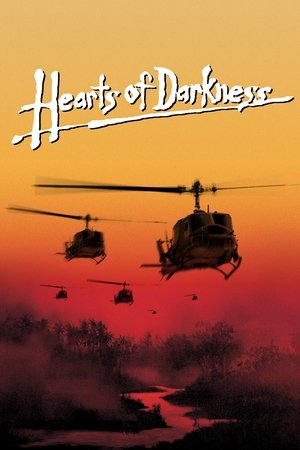
A chronicle of the production problems — including bad weather, actors' health, war near the filming locations, and more — which plagued the filming of Apocalypse Now, increasing costs and nearly destroying the life and career of Francis Ford Coppola.
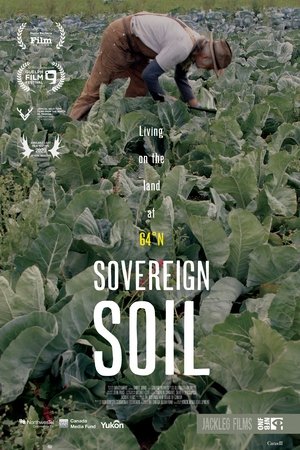
Built on a layer of frozen earth, Dawson City, Yukon, Canada has subarctic winters where temperatures routinely drop below −40°C. Meet the four season food producers who engage in small-scale agriculture, and those who support their back-to-the-land movement. These resilient unassuming farmers have carved out small patches of fertile soil, in an otherwise unforgiving expanse of isolated wilderness, to make a living and a life.
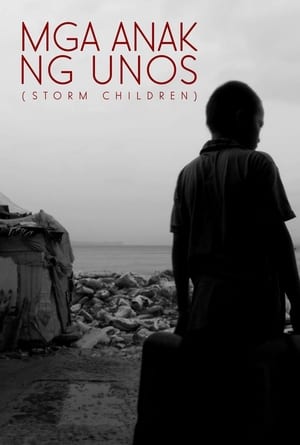
The Philippines is visited by an average of 20~28 strong typhoons and storms every year. It is the most storm-battered country in the world. Last year, Typhoon Yolanda (Haiyan), considered the strongest storm in history, struck the Philipines, leaving in its path apocalyptic devastation.
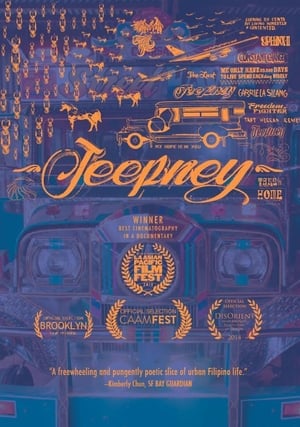
JEEPNEY visualizes the richly diverse cultural and social climate of the Philippines through its most popular form of mass transportation: vividly decorated ex-WWII military jeeps. The film follows jeepney artists, drivers, and passengers, whose stories take place amidst nationwide protest against oil price hikes that pressure drivers to work overseas to earn a living, far from their homes for years at a time. Lavishly shot and cut to the rhythm of the streets, JEEPNEY provides an enticing vehicle through which the rippling effects of globalization can be felt.
A study in the ecology and conservation of whale sharks, the largest fish in the world and a vegetarian one at that.
In the final decades of the 20th century, the Philippines was a country where low-budget exploitation-film producers were free to make nearly any kind of movie they wanted, any way they pleased. It was a country with extremely lax labor regulations and a very permissive attitude towards cultural expression. As a result, it became a hotbed for the production of cheapie movies. Their history and the genre itself are detailed in this breezy, nostalgic documentary.
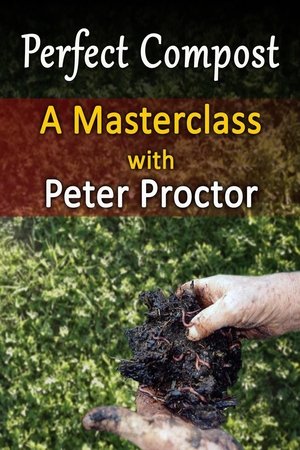
Peter Proctor is New Zealand's father of biodynamic agriculture. Peter has been gardening and making compost for over 65 years. "Biodymanics makes organics work." Compost is the fundamental element in all gardening & farming. This master class takes you through the biodynamic compost making process from gathering and assembling your materials to creating the perfect compost heap. Rudolf Steiner believed biodynamic compoast was the foundation of humanity and the vital link between the cosmos and the earth. In Perfect Compost, Peter Proctor walks you through every step to building perfect compost.
Ed Gerlock, Romeo Mariano, and DJ De Guzman shares their experience in documenting a range of events in the decades of media censorship.
When Jennifer Laude, a Filipina trans woman, is brutally murdered by a U.S. Marine, three women intimately invested in the case--an activist attorney, a transgender journalist and Jennifer's mother)--galvanize a political uprising, pursuing justice and taking on hardened histories of US imperialism.
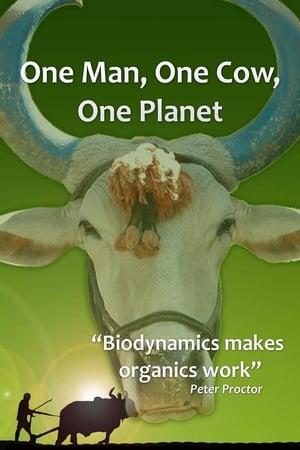
One man, One cow, One planet exposes globalization and the mantra of infinite growth in a finite world for what it really is: an environmental and human disaster. But across India marginal farmers are fighting back. By reviving biodynamics an arcane form of agriculture, they are saving their poisoned lands and exposing the bio-colonialism of multinational corporations. One man, One cow, One planet tells their story through the teachings of an elderly New Zealander many are calling the new Gandhi.
Before he became one of the world's greatest boxers, Emmanuel "Manny" Pacquiao was a young boy living a hand-to-mouth existence, trying to survive from one day to the next. When he discovers his natural talent for boxing, he embarks on a brutal and intense journey that takes him from the mountains of the Philippines to the streets of Manila, and must risk everything to become a champion - for himself, his family, and his country.
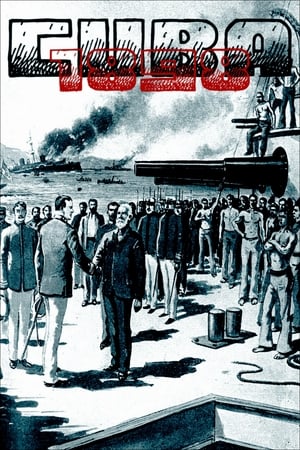
A brief account of the Spanish-American War (1898) and the end of the Spanish Empire in the Caribbean Sea and the Pacific Ocean.
In the north of the Philippines lies the area of Banaue, known for its rice cultivation. Roger lives here in a small village. Roger is thirteen and has five brothers and sisters. As the oldest, he is responsible for the daily firewood. To get this, Roger sets off into the mountains every other day. At seven in the morning, they start. A truck takes Roger and his four friends out into the steep, forested slopes above the rice terraces. With them on the back of the truck are the 'scooters', homemade wooden scooters with which the firewood is driven down to the valley. Once they reach the top, they cut down smaller logs, chop them up and pack their scooters full of them. After this strenuous work, the great fun begins. On bumpy paths and at breakneck speed, they make their way back to the village. Races and tricks are part of the fun, of course.
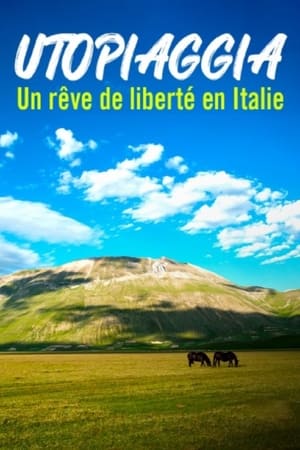
At the beginning of the 1980s, a group of Germans ventured into a social experiment: in the remote hills of Umbria, they founded a self-sufficient community beyond consumerism and bland gainful employment. After 40 years, the rural commune still exists. Not all the plans have come to fruition over the years. How are the dropouts doing today?
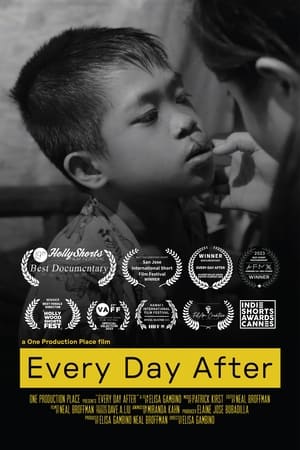
Growing up in Masbate Province in the Philippines, Jary is neglected and shunned since the moment of his birth for one reason-- his appearance. His older sister, Jessa protects Jary through his early years, then takes him in as a young teen, to raise him alongside her own two children in a fragile house on a hill. Jessa seeks out the medical care Jary has been denied since birth. And more, the support to begin his physical and emotional recovery. Every Day After is a 35-minute documentary film that provides a more nuanced look at the complexities of the healing process we don’t often see. And honors the invisible labor of a sister whose love and action make it possible for Jary to experience the everyday joys and struggles of growing up.
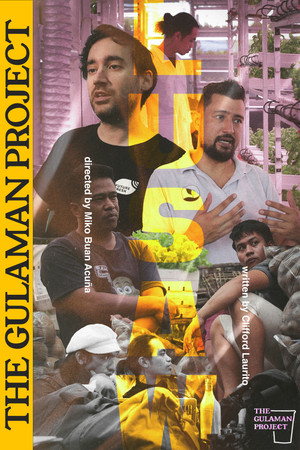
Two filmmakers take on a journey to explore the intricacies of the long-suffering Philippine agriculture, seeking for possible solutions as they figure out the factors causing the crisis.
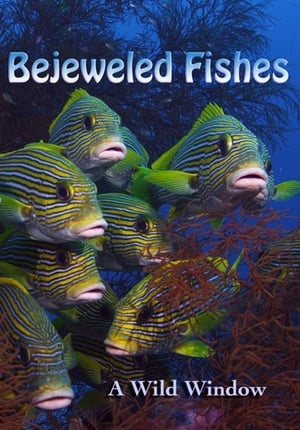
Bejeweled Fishes captures the spectacular beauty of the myriad fishes inhabiting coral reefs of the Tropical and Eastern Pacific. This Wild Window was captured in the Maldives Islands, Fiji, the Philippines, Mexico, California, and Indonesia.
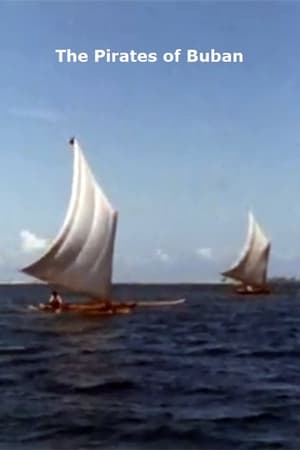
By going to the Philippines, Imamura comes to meet people living in an extreme poverty. He discovers very quickly that some communities are under the control of cruel & armed pirates. Imamura will come to meet those men in order to understand their position.
Documentary about the history of Philippine cinema.