The film showcases the voices of past and present Hougang residents, alongside commentary by historians, public intellectuals, politicians, and volunteers. Charting Hougang’s history from the mid-eighteenth century, the film features personal recollections of growing up in Hougang, residents’ sentiments towards state-led redevelopment and relocation, and the political journey of the community in the context of the Workers’ Party having won the Hougang Parliamentary seat a little over 30 years ago.
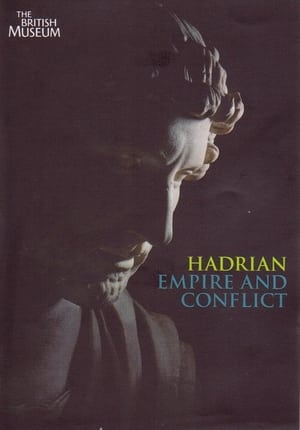
Documentary released to coincide with the British Museum's exhibition dedicated to the man who ruled the Roman Empire from 117 to 138 AD. The programme explores the life, achievements, passions and legacy of the emperor who was both soldier and poet and responsible for that most famous construction - Hadrian's Wall. The documentary was produced in conjunction with the exhibition Hadrian: Empire and Conflict at the British Museum 24 July - 26 October 2008.
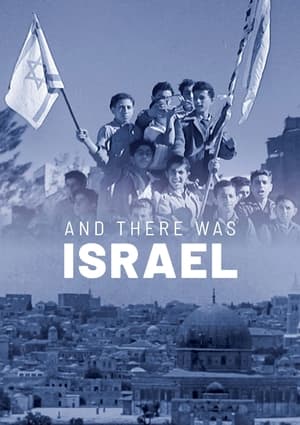
The film returns to the origins of the creation of the State of Israel (from 1896 to 1948) and highlights the responsibility of the Western World.
In 1944 Rudolf Breslauer documented the everyday life in the Westerbork transit camp on film, commissioned by the German camp commander Albert Gemmeker. The Westerbork Film was never completed, but much of the raw footage is preserved.
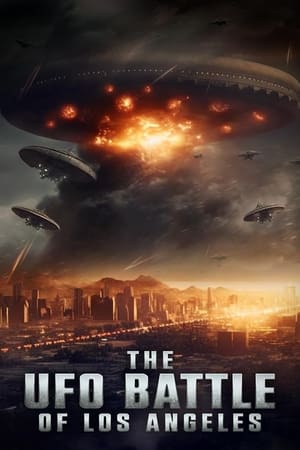
On the night of February 24-25, 1942, amid terror and neurosis caused by the terrible Pearl Harbor attack only two months earlier, a huge flying object of unknown origin appears in the sky over Los Angeles. The military reacts by imposing a total blackout in the area and firing more than 1440 artillery rounds. However, despite the firepower, no object was shot down. We will try to understand what actually happened and who or what flew over the skies of Los Angeles that night of February 24, 1942.
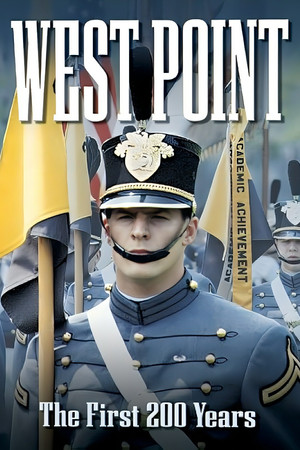
A documentary about the United States Military Academy at West Point that conveys the vibrancy, sense of fraternity and fierce loyalty that mark the West Point experience.
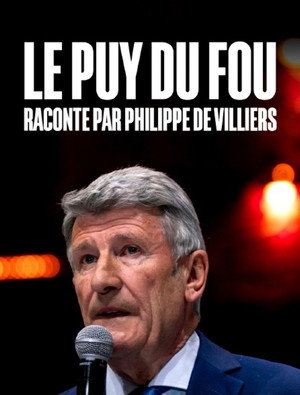
Le Puy du Fou raconté par Philippe de Villiers
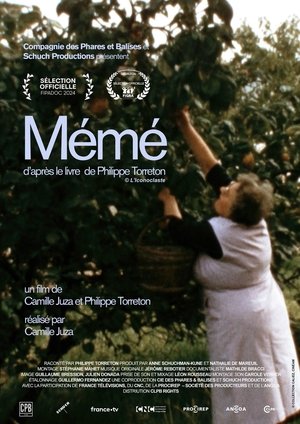
Adapted from famous French actor Philippe Torreton’s best-seller, GRANDMA is the portrait of the actor’s grandmother: a modest, unique but universal Norman peasant. Enriched with amateur films, nourished by major historical events, GRANDMA also tells the story of the end of a world, that of the countryside of our grandmothers, before the abyss of modernity.
Čičmany
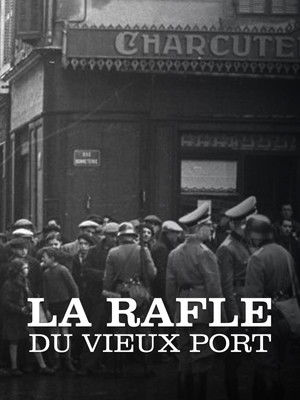
La Rafle du Vieux-Port
On a hot summer day, a young man from Philadelphia goes for an afternoon dip; when he is 40 feet from shore he gets attacked and dies; five days later, the Bell Captain at a popular beachside resort is also attacked.
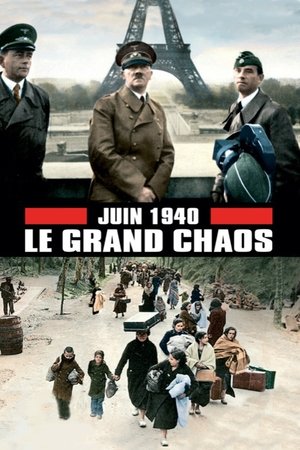
From May 10, 1940, France is living one of the worst tragedies of it history. In a few weeks, the country folds, and then collapsed in facing the attack of the Nazi Germany. On June 1940, each day is a tragedy. For the first time, thanks to historic revelations, and to numerous never seen before images and documents and reenacted situations of the time, this film recounts the incredible stories of those men and women trapped in the torment of this great chaos.
This film tells a story of ethnic Koreans from Russia and the post-Soviet territories making their new home in New York City. The history of the diaspora is told through conversations with Lidiya Kan’s mother, personal stories, fragmented memories, and her family photo archive. An important character of the film is Morkovcha, the Korean carrot salad, an invention of the Russian Korean diaspora; its essence is symbolic of their mixed identity.
A team of scientists search for the lost island of Testerep in front of the Belgian coast, venturing into artificial landscapes and virtual realities.
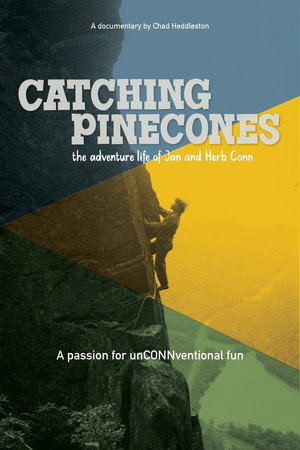
Jan and Herb Conn were the original American dirtbag couple, pioneering rock climbers and cave explorers who rejected a conventional lifestyle in pursuit of adventure and fun. The Conns’ story reveals a legacy of renowned discoveries and their philosophies for a rewarding, well-lived life.
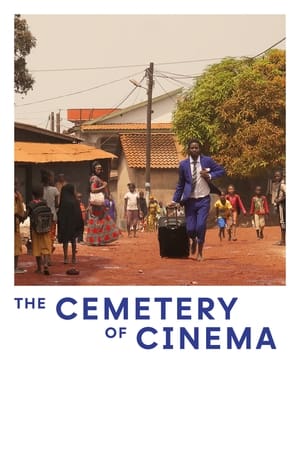
Thierno Souleymane Diallo sets out with his camera in search of the birth of filmmaking in Guinea. Charming and determined, he traces his country’s film heritage and history and reveals the importance of film archives.
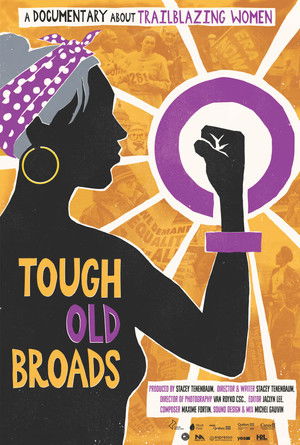
Kathrine Switzer, Siila Watt-Cloutier, and Sharon Farmer. They are the first woman to run the Boston Marathon officially, the first woman to connect climate change to human rights, and the first woman to serve as Chief White House Photographer. These trailblazing women broke barriers in their time and continue to pursue their passions to this day. They’re living proof that you can follow your dreams and maybe change the world in the process.
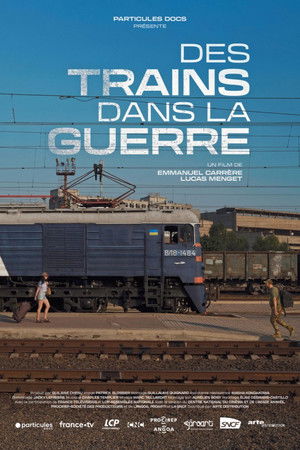
Des trains dans la guerre
Benutzt und gesteuert – Künstler im Netz der CIA
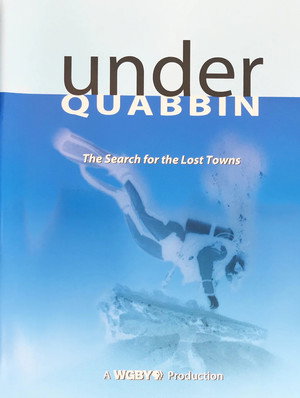
Beneath the millions of gallons of water that flow into homes across eastern Massachusetts is a story of buried history, scientific discovery, & individual hopes & dreams destroyed in the name of progress. Edward Klekowski, a UMass biology professor with a passion for scuba diving, chronicles an unprecedented search for the remains of four lost towns under the Quabbin Reservoir in Belchertown, MA