It's a sensitive, moving doc chronicling the life of Tétrault's brother Philip , a Montreal poet, musician and diagnosed paranoid schizophrenic. A promising athlete as a child, Philip began experiencing mood swings in his early 20s. His extended family, including his daughter, share their conflicted feelings love, guilt, shame, anger with the camera. They want to make sure he's safe, but how much can they take?
Ladies of good families and social standing come to have their afternoon tea with their daughters who will someday follow in the same tradition. A charming portrait of a time that is slowly disappearing.
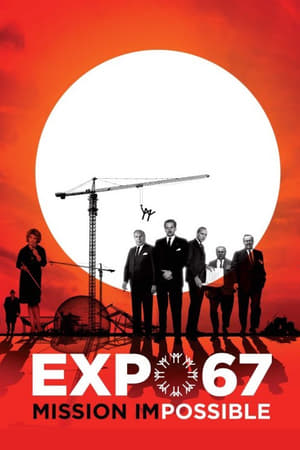
This documentary let us to relive the challenge of the men behind the 1967 Universal Exposition in Montréal, Canada. By searching trough 80,000 archival documents at the national Archives, they managed to bring light on one of the biggest logistical and political challenges that were faced by organizers during the "Révolution Tranquille" in the Québec sixties. Includes the accounts of the Chief of Advertising Yves Jasmin, and businessman Philippe de Gaspé Beaubien.
In the past 20 years, some 300,000 English-speaking people have left Montréal, convinced they had no future in a Québec that had become increasingly French, increasingly nationalistic. In this video we meet some of the people who are moving away and recall the days, in the last century, when there were more English-speaking people than French in Montréal. The video poses a controversial question: Will the city, with its youth leaving in great numbers, become a community of the elderly, unable to renew itself?
Anna, a twelve-year-old Ukrainian gymnast, has fled her war-torn country and recently settled in Montreal with her mother, younger brother, and grandmother. Confronted by the past, the challenges of exile, and a deep need for belonging, she seeks to rebuild her identity and regain her balance. Through her child’s perspective, the documentary explores the reality of life after war, questioning what endures and what is missing, even when one has found refuge.
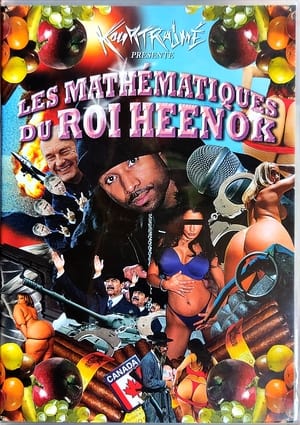
An immersive dive into the world of Heenok and his collective Gangster & Gentleman, while touching on broader questions about the survival of hip-hop and the state of humanity. Did Roi Heenok really earn his first million at 18? Is he a real fake gangster or a fake real MC? And ultimately, is Roi Heenok truly a king?
Montreal — one of the few remaining affordable cities in North America — is now in the midst of an unprecedented housing crisis. An intimate portrait of socio-political resistance, this multilayered film explores the human impact of real estate speculation on the cities of tomorrow.
La dérive douce d’un enfant de Petit-Goâve
A web documentary that explores Montreal’s incredible contribution to jazz music history through the legendary black musicians of Little Burgundy – the neighbourhood that was a hub of musical creativity, private clubs and speakeasies from the Jazz Age 1920s to the Golden Era of Jazz in the 1940s and 50s. Oscar Peterson, Oliver Jones, Norman Marshall Villeneuve, the Sealey Brothers, Nelson Symonds, and Louis Metcalf are among the greats who lived or played in "Burgundy".
BREAKING POINT brings viewers back to those tense, critical moments when Canada's future as a country was at stake.
Roach and Starbuck, two hardcore punks from Montreal, try to form their own political party, but run out of time due to Canada's electoral process. Instead, they decide to campaign for political office as independent candidates in a rich Montreal district called Outremont.
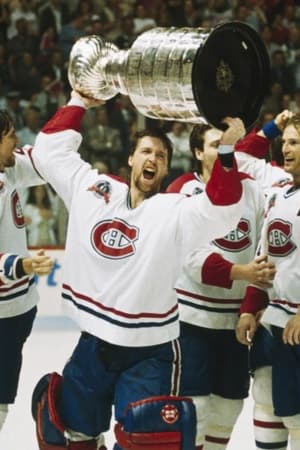
La Coupe Stanley à Montréal en 1993
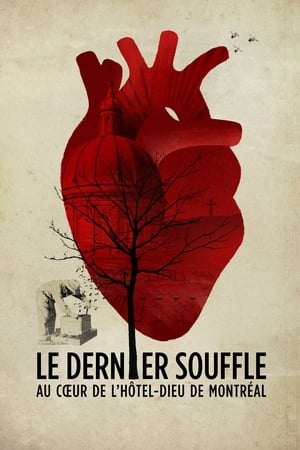
Le dernier souffle, au cœur de l'Hôtel-Dieu de Montréal
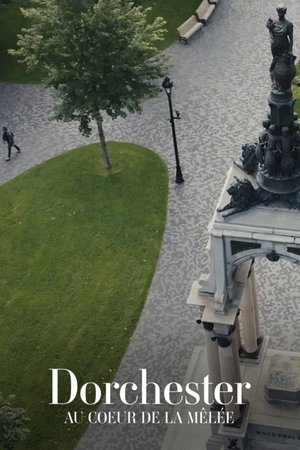
Under Dorchester Square in Montreal lies the cemetery where 55,000 people were buried in the 19th century. The square is still at the heart of social conflicts in Quebec, 150 years later.
Fredy
Snowflakes at the End of the World offers a meditation on the beauty and ugliness of Montreal winter, and invites critical reflection on the relationship between humans and nature.
This film takes us inside the world of cricket and the daily life of Montreal's Parc Extension - one of Canada's poorest yet most vibrant immigrant neighbourhoods.
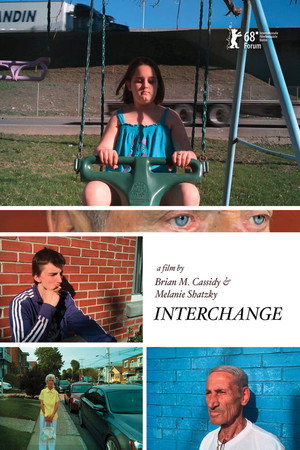
Bathed in the uncanny glow of late afternoon sun and set against a noisy highway, Interchange depicts the melancholy and isolation of a small working-class neighborhood on the outskirts of Montreal.
Monsieur
Gilles Groulx's first film shot in 1955 with a camera borrowed from his brother and edited during his spare time when he worked as an editor at the Radio-Canada news service a few years before he joined the NFB. Silent film, presented as its author left it, where the soil and the dialectic of Groulx's work are already there: documentary realism, the social space to be explored, daily life, the relationship between individual and society, social disparities, the consumer society, seduction and happiness.