Revisiting her film set photos, director Léa Pool reflects on her prolific career. The filmmaker left Switzerland at the age of 25 to settle in Quebec and embark on a surprising career. She reinvents herself from film to film, exploring themes that deeply resonate with her: identity, exile, maternal absence, transitional spaces... In both documentary and fiction, she has directed 20 feature films that feature strong female characters and contemporary issues. Somewhere between a masterclass and an intimate conversation, this documentary invites Léa to share her cinematic journey in front of the camera.
Part documentary, part drama, this film presents the life and work of Jack Kerouac, an American writer with Québec roots who became one of the most important spokesmen for his generation. Intercut with archival footage, photographs and interviews, this film takes apart the heroic myth and even returns to the childhood of the author whose life and work contributed greatly to the cultural, sexual and social revolution of the 1960s.
What remains of the 2012 Quebec student protests? Little has changed in the decade that ensued. Rodrigue Jean and Arnaud Valade exhume images of the battles, recorded live and relayed through the mass media, that flared up as anger and indignation went head-to-head with the rhetoric of power. Against these divisive images, the filmmakers overlay a historical perspective of the state and its police in Montreal, Quebec and Canada, delving into the roots of sanctioned violence. Their compelling glance at the past is, of course, a cry that continues to echo in the present day. While the voices have been silenced, revolt still brews. All it takes is a spark...
Behind closed doors in a car, three friends from the small town of Sept-Îles discuss their desire to reconnect with the North Shore, the region where they grew up. As the hours lenghten on the road 138, the young women reflect on the quest for identity that accompanies the regional exodus and reveals a social landscape decentralized from the metropolises.
Au cœur de Mégantic
She is the grande dame of German and international cinema, always a bit of a rocker chick, freedom-loving, adventurous and willing to take risks. This portrait unfolds Iris Berben's career, which has spanned more than five decades - between the art of film and television, between rock 'n' roll and political commitment.
Briser le code
Michael Strahan sits down with host Alex Trebek in a candid interview. Trebek talks about his life, his cancer battle and the upcoming "Jeopardy!" host episode where the show's greatest competitors face off.
This short documentary film is a fascinating portrait of urban and rural Quebec in the late 1960s, as the province entered modernity. The collective work produced for the Quebec Ministry of Industry and Commerce calls on several major Quebec figures.
Gilles Groulx's first film shot in 1955 with a camera borrowed from his brother and edited during his spare time when he worked as an editor at the Radio-Canada news service a few years before he joined the NFB. Silent film, presented as its author left it, where the soil and the dialectic of Groulx's work are already there: documentary realism, the social space to be explored, daily life, the relationship between individual and society, social disparities, the consumer society, seduction and happiness.
This feature-length film tells the story of the passion between Marie de l’Incarnation, a mid-seventeenth-century nun and God, her "divine spouse." Fusing documentary and acting by Marie Tifo, whom we follow as she rehearses for this demanding role, the film paints an astonishing portrait of this mystic who abandoned her son and left France to build a convent in Canada, where she became the first female writer in New France.
The Taj Mahal and shots of Jalandhar nestle between footage from Canada and Africa.
Why did the series "In Therapy" on ARTE break audience records? Does it reflect the truth of psychoanalysis? From personal quests to collective traumas, this sensitive documentary explores the reciprocal influences between fiction and reality.
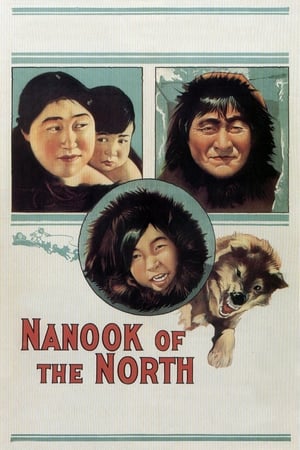
This pioneering documentary film depicts the lives of the indigenous Inuit people of Canada's northern Quebec region. Although the production contains some fictional elements, it vividly shows how its resourceful subjects survive in such a harsh climate, revealing how they construct their igloo homes and find food by hunting and fishing. The film also captures the beautiful, if unforgiving, frozen landscape of the Great White North, far removed from conventional civilization.
Canada Mania
This short documentary visits the 3 Quebec border towns of Rock Island, Stanstead and Beebe, and the Vermont town of Derby Line to see how residents and officials cope with a civic life that is cut down the middle by an international boundary.
This documentary tells the story of Quebec nationalism from the late 1960s to the present and how this nationalism has gradually transformed from progressive to a much more conservative streak.
Il parle avec les loups
Nine years after the disappearance of Cédrika Provencher, Claude Poirier returns to the scene of the crime. With the help of lawyer Guy Bertrand, former minister Jacques Dupuis and witnesses of the events surrounding Cédrika's disappearance and the discovery of her skull, Poirier reveals all he knows about this sadly popular story.
Where did everyone go who had something to say? Alongside Serge Fiori, eleven indigenous artists cover the iconic song in their own language and prepare to perform it live.