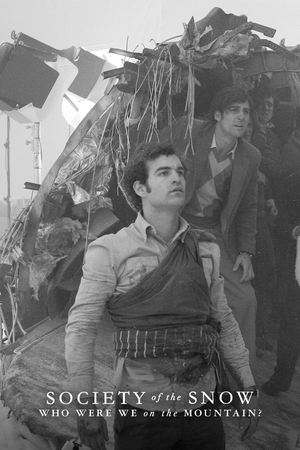
An in-depth look at the creative process behind "Society of the Snow," featuring cast, crew, director J.A. Bayona and even real-life survivors.
A look at the entire process of creating and developing Patrice Chéreau’s third staging of "In the Solitude of Cotton Fields" by Bernard Marie Koltès with Pascal Greggory and Chéreau himself. From the first reading around the table through the first contact with the performance space, rehearsals and lighting to opening night, the entire creative process unfurls in front of our eyes. The film shows us the evolving and ongoing dialogue between Greggory and Chéreau, a dialogue full of crises and magical moments of harmony and insight via which the truth, intensity, complexity, mystery and depth of Koltès’ text gradually emerge to form an implicit bond between these two men. The film also shows Chéreau directing rehearsals for Mozart’s "Don Giovanni" in Salzburg, revealing both the unity of and profound differences between his opera and theater work.
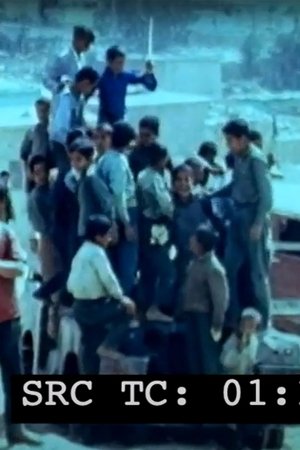
Material filmed during and after the battle of Amman, in September 1970. The images document the rubble after the bombings, showing displaced people in the hall of a building, among the ruins, inside schools, while they are being treated . Some moments of a Yasser Arafat rally are also filmed.
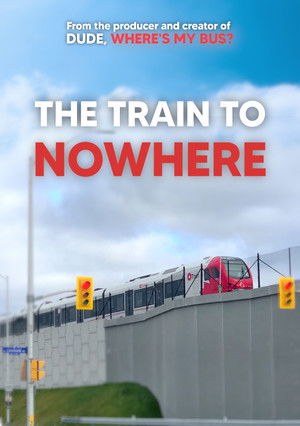
Following the success of Dude, Where's My Bus? (2024), Gio Petti's new documentary The Train to Nowhere shifts focus from buses to rail, centring on the Line 2 expansion of Ottawa’s Light Rail Transit (LRT), a project that many commuters hoped would mark a turning point for transit in the city. The documentary follows Petti as he documents the circumstances surrounding the expansion, the project's transition to a hot-button political issue, and the broader impact on riders who depend on the various systems every day. It also explores themes of retaining optimism and taking charge for change in the transit system in the face of cynicism.
Additional materials for "Major Grom: Plague Doctor" (2021).
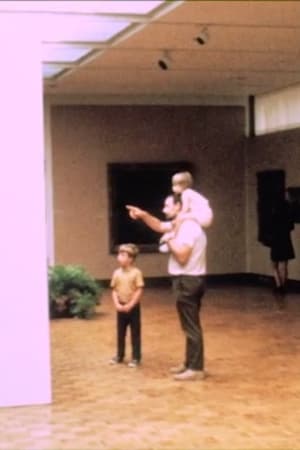
How the art in the Detroit Institute of Art connects to life's experiences and the neighborhood.
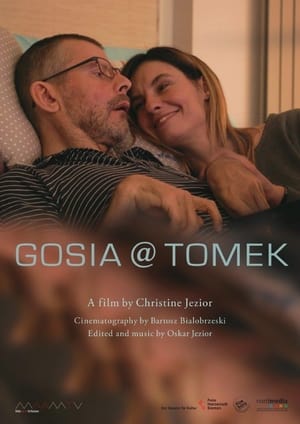
What happens to a relationship if a partner suddenly becomes severely disabled after an accident? For Gosia it is clear that she will stand by her boyfriend Tomek no matter what in order to let him live as normal and fulfilled a live as possible. But time and again she becomes painfully aware of her own limits, as well as of those of a society that talks a lot about inclusion but often does not seem to be ready for it. GOSIA@TOMEK is based on more than 3000 emails that Gosia has been writing to Tomek daily since his accident.
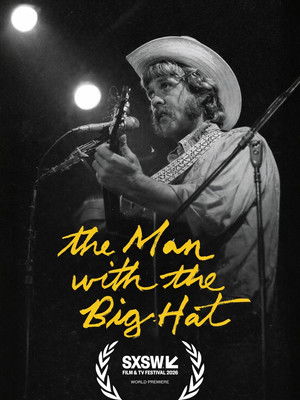
An unsung pioneer of 1970s Texas Progressive Country, Steven Fromholz had a knack for snatching defeat from the jaws of victory. Revered by legends like Willie Nelson, Lyle Lovett & John Denver, he remained commercially unknown. He sought redemption on the Rio Grande as a river guide until a debilitating stroke erased his musical memory, stripping Fromholz of his artistic identity. With an almost obsessive persistence bolstered by newly discovered archives as well as never-before-heard recordings, this intimate and impressionistic portrayal unveils the evolution of Fromholz, and reshapes the notion of success and artistic fortitude.
Through an intimate conversation, Steph Jane, age 28, shares the struggles and lessons her second diagnosis of stage-4 cancer has taught her. From being genuinely present and savouring simple moments to thoughts of the future and what really matters, Steph reveals beauty and wisdom which transcend appearance and years.
Fragments from a portrait of Jean-Louis Costes - sincere artist, versatile designer, poet of excess -, a man forever atoning his anguish through singing, performance, drawing and writing...
At the Creedmoor Psychiatric Center in Queens, New York, Dr. Janos Martin helps treat patients with severe mental illness by encouraging them to express themselves through art, whether in paint, sculpture, or collage. In vivid imagery, brilliant close-ups, and delicate conversations, director Jessica Yu presents the intricate, often visionary, work of these nontraditional artists, allowing the patients to describe their approaches and processes in their own, sometimes tangled, words. With patience and calm resilience, Dr. Martin offers feedback and ideas for best methods to the individual artists, who sometimes scream or are in tears, as he helps them displace their frustrations, and demons, onto canvas. Seen as a collective, these works illustrate the fine line between creativity and distress and illuminate the healing power of expression.
After their beloved venue is forced to close, a determined group of comedians battle the odds to achieve their dream of launching an epic comedy festival in Bristol
A film documenting the soulful art, environments, and voices of self-taught artists on the back roads of the American South.
Presents Alex Ross demonstrating how he creates arresting patterns of vivid color and how he uses acrylic paint on a textured media board.
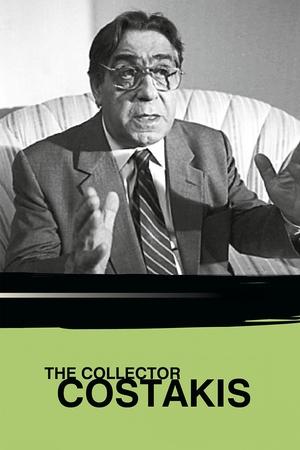
One public housing flat in Moscow stood out above all others: the home of George Costakis, the foremost collector of early 20th century Russian avant-garde art. Its walls were crowded with banned and forgotten works by artists such as Malevich, Tatlin, Kandinsky, Chagall, Lissitzky, Rodchenko, and Kliun; public figures such as Edward Kennedy, Stravinsky, and Alfred Barr visited. Barrie Gavin met the collector in 1982 at his home in Athens. Costakis, a Greek born in Russia, passionately shares his story and those of the great Russian avant-garde artists. Their works are his legacy – without him, they would not have survived the political upheavals in Russia.
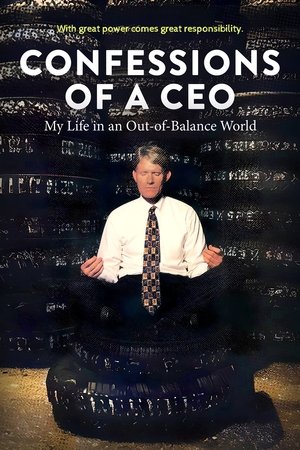
A bare-knuckled critique of corporate America told through the powerful true story of a toxic CEO who evolves from a profits-over-people, philandering executive to an unorthodox leader, populist messenger, and mentor to American influencers. It’s a story of growth, redemption and the impact of self-awareness on leadership and life.
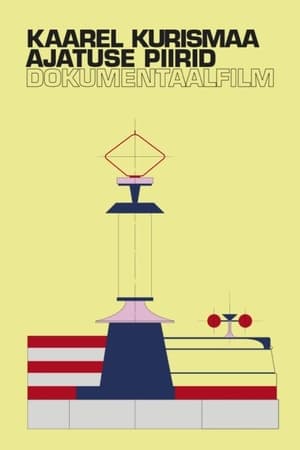
A documentary about the Estonian artist Kaarel Kurismaa shows the viewer an insight into the world of artists. Kaarel changed his creative direction several times; he explored different artistic styles. Kaarel Kurismaa laid the foundations for Estonian kinetic and sound art. He is a highly versatile artist whose creative energy is divided between painting, sound, installation, monumental art, and film. On the crest of the avant-garde wave of the 1970s, he created several important sound and kinetic objects in Estonian art history.
A discovery of the pictorial art that Ndebele women traditionally practice in South Africa: painting the walls of their houses.
A lo Mejor Algún Día
Documentary about the making of director Steven Spielberg's film Empire of the Sun