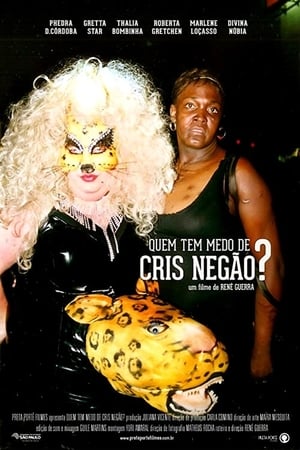
Cristiane Jordan, or Cris Negão, as she was called, was a transvestite who worked as a bawd in downtown of São Paulo known by her violent methods to control the other transvestites. Hated and feared by a legion, she also had her fans until she was tragically murdered with two shots in the head. The documentary is a dive into the transvestite universe through the stories of this legendary character of São Paulo's underworld.
Why are illegal abortions more accessible in Poland than legal ones in South Africa? This documentary feature explores and contrasts changes in Poland and South Africa regarding abortion laws and their impact on the lives of women. In the 90's, Poland banned abortion due to the increasing influence of the Catholic Church after the fall of communism; around the same time South Africa legalized it, reforming the health system after the fall of apartheid. The film reveals how the legal status of women is a direct result of the silencing or empowering of women's voices. In the Polish society and media, women's perspectives were made invisible; in South Africa, on the other hand, they were invited to give public hearings in the parliament about problems in the realm of reproduction.
Lori relates her experiences before during and after the making of 'Caligula'
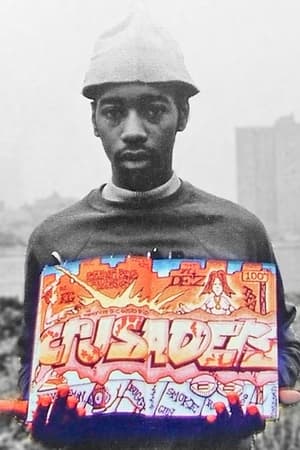
An incredible historic document showcasing the roots of Old School Hip Hop movement with all its disciplines involved: Djing, Mcing, Breakdancing, and Graffiti. Featured in the "NYC: Urban Image" show at MoMA PS1 1983.
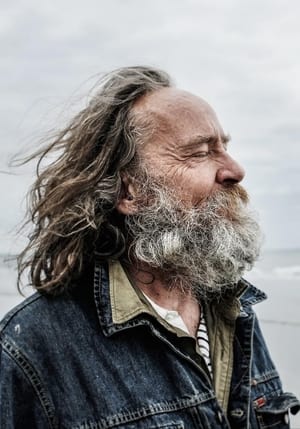
Documentary film about Martin Park, a homeless man living in Dublin, and his friendship with photographer and filmmaker Donal Moloney.
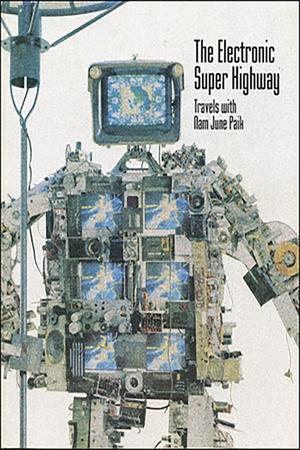
A portrait of Nam June Paik produced as a 'video catalog' for the exhibition 'The Electronic Super Highway', which premiered at The Museum of Art in Fort Lauderdale, Florida, with recent installations, historical background and interviews.
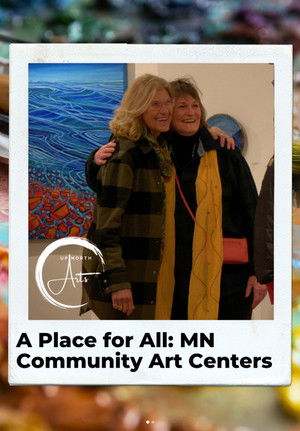
Explore the boundless nature of creativity in Central Minnesota. From local galleries to hands-on workshops, see how Community Art Centers create a unique environment where everyone is invited to participate, create, and belong. This is the first installment of Lakeland PBS's "Up North Arts"
The final episode in our Mini-Docs series comes from musician and writer Jake Anderson, who explores the niche music genres which find an increasing audience in the North East. On a mission to discover outside-the-mainstream sounds and the driving forces behind their creation, Jake chats with musicians Me Lost Me, SQUARMS and Mariam Rezaei, along with some of the major players keeping these sonically-engaging sound makers doing what they’re doing, including Simeon Soden from Kaneda Records and Lee Etherington of TUSK. This mini-documentary features reflections on some of the most unique acts in the North East, what genre boundaries actually mean and artists’ hopes for the future of the North East’s alternative scene. This is an Art Mouse film for NARC. TV, written and directed by Jake Anderson.
Watch as Aiden Aleman creates his newest art piece “TRUTH” in the middle of Zilker Park.
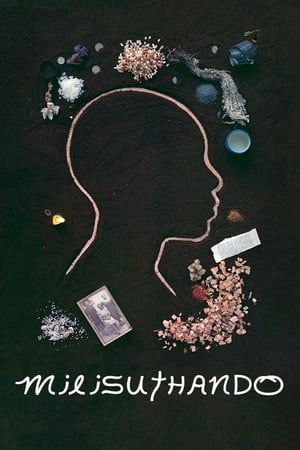
Set in past, present, and future South Africa — an invitation into a poetic, memory-driven exploration of love, intimacy, race, and belonging by the filmmaker, who grew up during apartheid but didn't know it was happening until it was over.
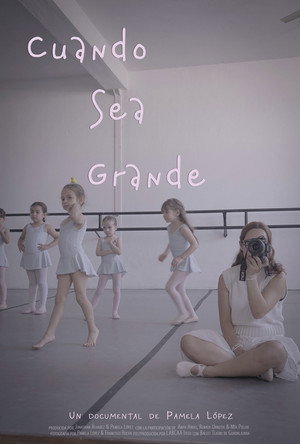
Pame returns to the ballet academy where she danced when she was three. Reflecting on her own childhood, she looks for answers within the girls that dance there now. Ultimately, she tries to answer the question: Why did I quit ballet?
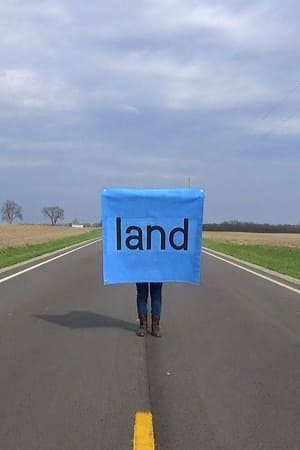
In 2020, just as the pandemic was beginning, Gazala purchased land in western Ohio, on which sits a disused school building. This site allowed her to explore her complex relationship with “the land.” As the daughter of displaced indigenous Palestinians, she attempts to form a proxy bond with the earth, on ground that was stolen from the displaced indigenous Shawnee people. Closeness to the Land is video footage of hand-painted text signs that translate the word الأرض (ard) into six English words, displayed performatively in multiple locations to capture the now-invisible nature of indigenous culture in Ohio. These signs were installed on the old schoolhouse in early 2021.
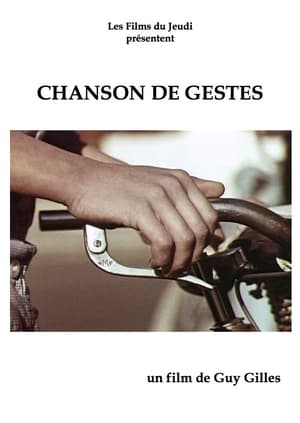
Choreography of familiar gestures that the author was able to spice up with a peculiar and original perspective.
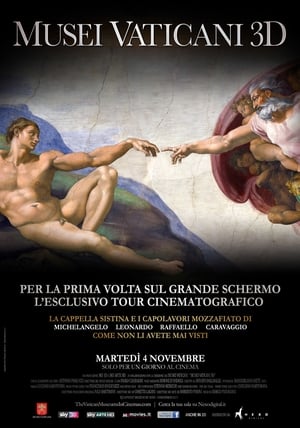
An extraordinary voyage of discovery to see the most impressive collection of works of art built up over two thousand years of history. VATICAN MUSEUMS 3D, a SKY production in collaboration with the Vatican Museums Directorate, for the very first time brings Ultra HD 4K/3D film cameras inside the Vatican Museums and the Sistine Chapel, to show the masterpieces in these collections as they have never been seen before.
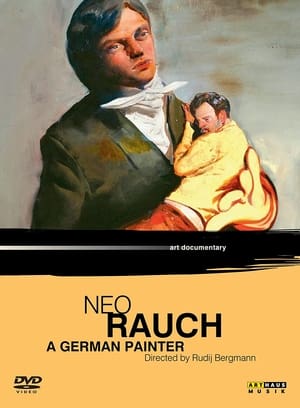
Neo Rauch: A German Painter
Five female artisans from the Innu, Franco-Quebecois, and Zapotec peoples discuss their work. Their techniques, objects, and textile traditions give rise to stories that overlap. Their clothing reflects on identity and otherness.
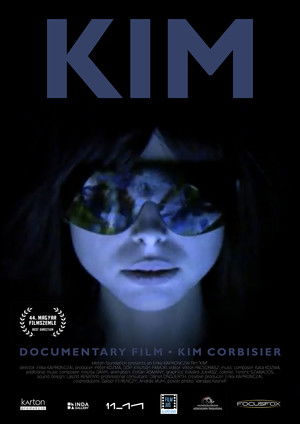
The story of an exceptional painter talent, the Belgian-Hungarian Kim Corbisier who left a brilliantly powerful oeuvre behind after her tragically short and intense life. And a camera at her filmmaker friend. The mesmerising and often shocking footage of the camera bear witness to Kim's struggles with methadone addiction and, above all, her identity crisis caused by a series of unfortunate and criminal accidents in her family. After the unfinished attempts, with this film, the filmmaker is realising a project they had planned together 10 years ago.
The film describes the life of the last Macedonian nomadic ethnic group, so called Karakachani. In 18th century, their ancestors, ants of the Traco-Illyrian, leaded by Papucoroshi, as a result of the Turkish oppression withdrew from Gramos, passing through the Macedonian mountains. They settled the surroundings of the mountain Osogovo, particularly the village Vrbica, in Kochani’s district. Nowadays, they can be seen dressed in black, on market days through the towns of Eastern Macedonia. In spring, before they leave on their nomadic trip with the flocks of sheep, at first they fleece the sheep and make various handmade products for domestic use. During their stay in the mountains, they are occupied with milk production and manufacturing. They live a quiet nomadic life, moving themselves from one pasture to another with their whole equipment. They spend the winter period in the warmer districts, along the valley of the Vardar River.
A quickfire portrait of the New York City ballroom scene in the ‘80s.
In November 2001, Chechen schoolchildren came to Moscow for a vacation. For them, this is the first peaceful city in their life. A war without a single frame of war.