Patrick, who has had diabetes for 25 years and is treated with insulin, is gradually losing his sight. He has agreed to laser treatment as the only alternative to total blindness, a treatment that destroys almost the entire retina, leaving only central vision. For three years, the director followed him in his daily life, walking towards darkness, where he learns day by day to touch, listen, guess, feel, and resist. The camera narrows its field of view over time to "see" as Patrick does.
A documentary about the corrupt health care system in The United States whose main goal is to make profit even if it means losing people’s lives. "The more people you deny health insurance, the more money we make" is the business model for health care providers in America.
Today in France, one in five young people suffers from severe depressive symptoms, and the number of minors visiting psychiatric emergency rooms has tripled in the last five years. Despite the political will that has been demonstrated, child psychiatry is nevertheless faced with a severe lack of resources. The interminable waiting times for treatment are causing a surge in prescriptions for psychotropic drugs.
Selfie is a pop culture in Hong Kong. Other than entertaining oneself, taking selfie can be an artistic work of personal photography. In general, people have negative feelings towards selfie, but it does carry alternative and in-depth meanings such as capture the moment and understanding oneself.
A group of educators led by Fernand Deligny are working to create contact with autistic children in a hamlet of the Cevennes.
The amnion – the fetal membrane protecting the embryo – becomes a metaphor in the film for an intimate space where pain can be shared and a path to healing sought. This sensitive portrait of three women whose lives have been marked by sudden separation is carried from the outset by a meditative soundtrack that shapes an environment in which personal experience becomes expressible. Ritual gestures – traditional costumes, cooking together, hugging – create a protective shell that allows pain not only to be expressed and shared, but also transformed.
The Invisible Illness is an in-depth study on life with Endometriosis. Endometriosis is a disease where tissue similar to uterine lining grows in other parts of the body causing many issues such as intense pain, fertility complications and organ dysfunction. It isn’t a unique illness. In fact, endo affects one in nine Australian women - and it’s a disease most people have never heard of.
Nine years and nine months: that's how long it took Cécile Togni and her partner Benjamin to finally fulfill their dream of having a child. During all those years, she endured intense physical suffering, put up with medical abuse, fought against the ineffectiveness of misdiagnoses about her infertility, collapsed and got back up again and again in the face of repeated failures, without ever losing her determination.
L'énigme Céline Dion
A documentary that records the daily life of a mother with a limited life expectancy and a grandmother, directed by the daughter, Haruyo Kato.
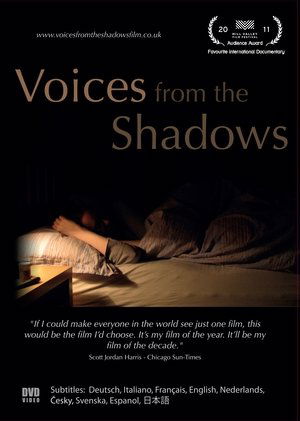
‘Voices from the Shadows’ shows the brave and sometimes heartrending stories of five ME patients and their carers, along with input from Dr Nigel Speight, Prof Leonard Jason and Prof Malcolm Hooper. These were filmed and edited between 2009 and 2011, by the brother and mother of an ME patient in the UK. It shows the devastating consequences that occur when patients are disbelieved and the illness is misunderstood. Severe and lasting relapse occurs when patients are given inappropriate psychological or behavioural management: management that ignores the severe amplification of symptoms that can be caused by increased physical or mental activity or exposure to stimuli, and by further infections. A belief in behavioural and psychological causes, particularly when ME becomes very severe and chronic, following mismanagement, is still taught to medical students and healthcare professionals in the UK. As a consequence, situations similar to those shown in the film continue to occur.
Inside the dramatic search for a cure to ME/CFS (Myalgic Encephalomyelitis/Chronic Fatigue Syndrome). 17 million people around the world suffer from what ME/CFS has been known as a mystery illness, delegated to the psychological realm, until now. A scientist in the only neuro immune institute in the world may have come up with the answer. An important human drama, plays out on the quest for the truth.
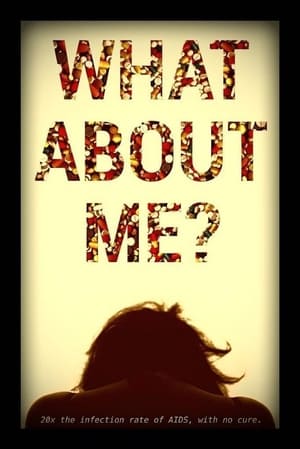
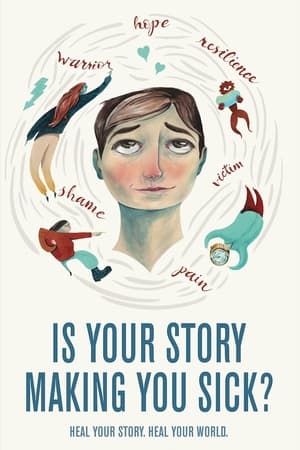
Humans are story-telling creatures. By thinking, we all unconsciously "author" a self-story in our heads. Most often, the characters and plot of our story is framed by negative experiences from childhood. These painful "stories" then determine our emotions, leading to unhealthy stress, and changes in body chemistry. This is how a person's self-story can turn into a stress-related illness.
Jail of Flesh, is a documentary that delves into a rare neurological disease. It is fatal, incurable and what provokes it is unknown. Amyotrophic Lateral Sclerosis attacks the motor neurons, those who have this disease gradually lose total ability to move.
A mysterious outbreak of tic disorders among young people leads Dr Robert Bartholomew to question whether social media is making us sick. Doctors have recently identified a concerning trend among young people: tic disorders potentially spread via TikTok videos. For sociologist Dr Robert Bartholomew, an expert in mass psychogenic illness, the trend isn’t surprising, but the potential consequences are alarming. Could the global scope of social media mean we are on the precipice of the world’s largest outbreak of psychogenic illness?
A raw and honest behind-the-scenes look at the iconic superstar's struggle with a life-altering illness. Serving as a love letter to her fans, this inspirational documentary highlights the music that has guided her life while also showcasing the resilience of the human spirit.
Through our subject Adam, we reveal the incredible changes and forces that take all humankind from Cradle to Grave.
Sex Addicts
Chêne de vie : l'amour aux temps du cancer
Tuberculosis is the deadliest killer in human history, responsible for one in four deaths for almost two centuries. While it shaped medical pursuits, social habits, economic development and public policy, TB and its impact are poorly understood.