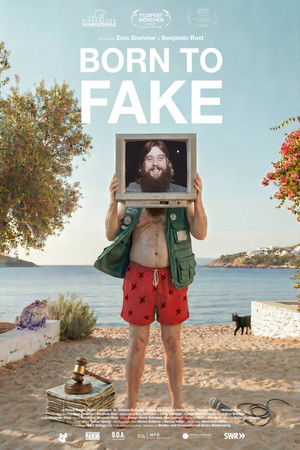
In 1996, one of the biggest media scandals in German history shook the public: Michael Born, a self-made journalist, had faked over twenty reports for the newly established private television station between 1990 and 1996. Some seemed amateurish, others dealt with absurd topics: child labor for IKEA in India, drug addicts licking toads to get high, and the Ku Klux Klan in the Eifel region were just some of his numerous fabrications. How did it come to this? Was Michael Born an enlightened figure who subversively exposed the tabloid system, a victim of the system, or simply a bumbling fraud? Film traces Michael Born's footsteps. Put together from hundreds of hours of raw material and the memories of former companions, an incredible story of forgery emerges. A media-theoretical film about levels of reality, fake news, and the question: Why do we actually believe what we see?
Santino, a circus kid constantly on the move, listens to his great-grandfather's stories as his own life is just beginning.
The Doku follows the snow owls quest to survive winter. The animals travel from up north to central Europe and back. During their travels they‘ve developed plenty of strategies to make it through the harsh climates they encounter.
Artemis 2 - Zurück zum Mond
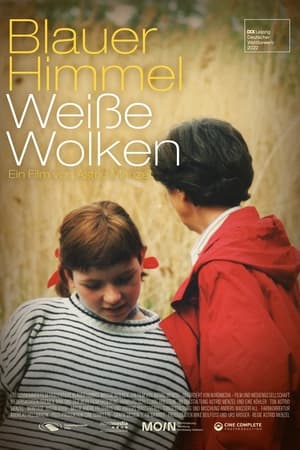
Grandma has become a little doddery. And since the death of her husband, called E.O., ever bigger gaps have opened in her memory, and her disorientation has increased. Director Astrid Menzel makes a decision: to take a ten-day canoe trip on northern German waters with her brother and the 86-year-old lady. An adventure whose outcome is uncertain and which the three travellers have to face anew at every stage.
They sew our clothes, tan leather for shoes and bags. Twelve hours of work, every day. Despite this, the people in the supplier countries are often desperately poor. How does this poverty come about? Manfred Karremann explores this question using the example of Bangladesh, where much of what we use every day is produced. Bangladesh is the second largest textile producer in the world after China. The main reason for the poverty: goods are produced incredibly cheaply in Bangladesh. About nine cents an hour is paid for the dangerous work in a tannery. The seamstresses in the textile factories get a little more. Just enough to survive. Because that's what it's all about for the men, women and children who do any job, for any wage.
Ottobiography
As a new chapter begins in this country, THE BLACK LIST offers a dynamic and never-before-heard perspective from achievers of color. This series of inspired - and inspiring - observations on African-American life in the 21st century forms a roll call of some of the most compelling politicians, writers, thinkers and performers ever to tackle their fields of endeavor. Watch the interview-portraits and get a sharper snapshot of where this country has been and where it's headed.
A documentary about a teacher who sends a group of pupils out of the classroom when one of them does not own up to talking behind the master's back.
Documentary feature about German actor Heinz Rühmann made shortly before his death in 1994.
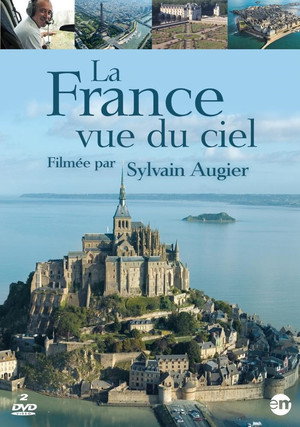
The Rhine is the center of the European soul, the continent's largest and most important river. Over thousands of years, it has formed unique cultural landscapes on its way from the high Alps to the North Sea, in which peoples and nature have shaped each other. On its way from the Gotthard massif to the sea, it connects six countries: Switzerland, Austria, Liechtenstein, Germany, France and the Netherlands. For centuries, the Rhine separated the Germans from France, but for almost 70 years it has connected these two countries. But Luxembourg, Belgium and Italy are also within its sphere of influence. Film follows the course of the river exclusively from a bird's eye view and presents a fascinating panorama from the center of Europe that develops its full power on the big screen. From above, our homeland is no longer the same: the glittering floodplains of the Rhine are reminiscent of the Caribbean, the meadows in the alluvial plains look like the Serengeti.
Göttliche Lage
A series of 43 documentary shorts, directed (without credit) by several famous French filmmakers and each running between two and four minutes. Each "tract" espouses a leftist political viewpoint through the filmed depiction of real-life events, including workers' strikes and the events of Paris in May '68.
The origins of "cangaço", armed brigands in the Northeast between 1935 and 1939, interviews with some survivors of the fighting, police and outlaws movement. Interspersed with testimonials, authentic sequences of films made in 1936 by Benjamin Abraham, an Arab peddler who managed to film the famous band of Virgulino Ferreira da Silva, the "Lampião".
Star-studded show recorded at the Big Sur Folk Festival, Big Sur, California, September 13th and 14th, 1969. Joan Baez, Crosby, Stills, Nash & Young, Joni Mitchell, John Sebastian, and others. This film captures a remarkable moment in folk, rock, and pop history - the famous folk festival that brought traditional acts like Dorothy Morrison & The Combs Sisters and Carol Ann Cisneros together with the psychedelic rockers of the day who were most deeply rooted in the folk revival. Older songs like ‘Oh Happy Day,’ ‘Rise And Shine,’ ‘All God’s Children,’ and ‘Swing Down, Sweet Chariot’ meet Joni Mitchell’s ‘Woodstock,’ Joan Baez’s ‘Sweet Sir Galahad,’ ‘Bob Dylan’s ‘I Shall Be Released,’ CSNY’s ‘Down By The River,’ and many more of the now-classic songs of what was then called the ‘new rock.’ The scene is notably intimate and - aside from one fan’s dustup with Stephen Stills - mellow, with many rare, close-up moments with the stars.
How does one leave positive marks on their body? In the short documentary, three young adults open up about their relationships with their bodies through tattoos. They think tattoos showcase something otherwise invisible about themselves to the world.
This short film is part of Karpo Aćimović Godina's experimental and documentary work in 1970s Yugoslav cinema. It extends his interest in regional identities, minorities, and the visual traces left by different cultures on Yugoslav territory. The film offers a journey through examples of architecture, decor, and objects related to Islamic tradition in the former Yugoslavia, such as mosques, ornamental elements, and calligraphy. It explores how this art is embedded in the region's history and in the daily lives of the communities that produced it. It is an observational film, without a dramatic plot, functioning primarily as a "visual essay" on the material culture of Islam in a Balkan context. The tone is analytical and contemplative, closer to a cultural study or a poetic inventory.
After a brief sequence of Nazi rallies (including shots from Triumph of the Will), German footage of the invasion of Poland, and Julien Bryan footage of the siege of Warsaw in September 1939, this film uses still photographs (some from Himmler's personal collection) and much of the 1942 German propaganda footage shot in the Warsaw Ghetto. It details the daily struggle to survive the Warsaw Ghetto, including scenes of poor sanitation, smuggling food from outside, beggars, Jewish Police and the ghetto prison, deportations, collaboration, and resistance. It uses film footage of flamethrowers and German artillery to represent the putting down of the Ghetto uprising under General Stroop.
Cryptomonnaies : mon incroyable odyssée
迦南孤儿