A brief visualisation of NASA’s historic spacecrafts Mariner, Pioneer, Voyager, and Dawn, exploring the solar system, culminating in the New Horizons mission.
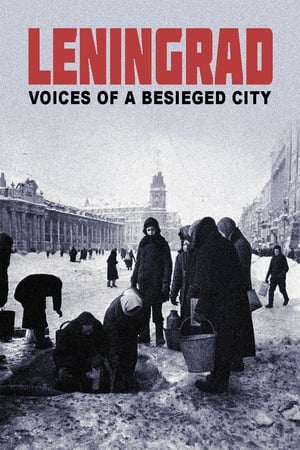
It was one of the great crimes of the Second World War: from 1941 to 1944, a total of 872 days, the siege and starvation of Leningrad by the German Wehrmacht on Hitler's orders lasted. Over a million people fell victim to the blockade, most of them dying of hunger. Countless of these starving people wrote diaries with the last of their strength, and cameramen filmed in the paralyzed city. Evidence from the hell of the siege, many of the film recordings, but above all the written memories on which this documentary on the occasion of the 80th anniversary of the liberation is based, remained under lock and key after the war. The voices of those who had suffered through this terrible time should not be heard by anyone, because they did not fit the pathos of the Leningrad heroic song that was officially sung. Most of the recordings come from women. The writers feared neither the enemy nor the Communist Party or Stalin, who often proved incompetent in providing for the population.
To help visualize the dramatic final chapter in Cassini's remarkable story, NASA's Jet Propulsion Laboratory produced this short film that features beautiful computer-generated animation, thoughtful narration and a rousing score. Producers at JPL worked with filmmaker Erik Wernquist, known for his 2014 short film "Wanderers," to create a stirring finale video befitting one of NASA's most successful missions of exploration.
It does not happen every day that a gigantic stadium is built on a greenfield: In October of 2001, the citizens of Munich voted with a clear yes for a new soccer stadium in the north of the city. 66,000 soccer fans of FC Bayern and 1860 Munich will find a new common home in the futuristic looking structure. But before that stand four years of work on a construction site of superlatives. The director Wolfgang Ettlich and his cameraman Hans-Albrecht Lusznat followed the construction of the new Munich soccer arena since the first groundbreaking. They have recorded several phases of the construction and did thereby get to know the microcosm of a large construction site from the inside: The logistics, with which hundreds of construction workers have to be coordinated, and the steady growth of the stadium all the way to the perfectly conceptualized illuminated structure, with VIP-boxes, mass restaurants, and Europe’s largest parking garage.
La vie au temps des gladiateurs
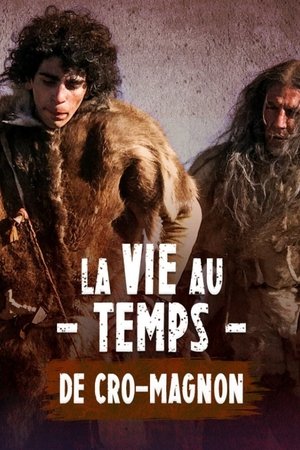
La vie au temps de Cro-Magnon
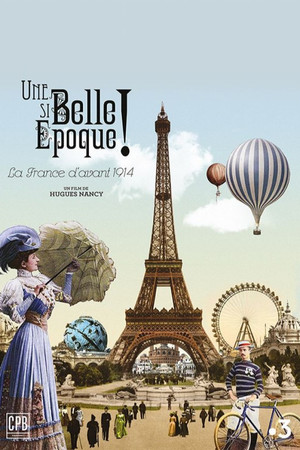
In 1900, the eyes of the whole world are on Paris. The World's Fair welcomed 50 million amazed visitors, and the city celebrated itself in a glamorous era. This period went down in history as the "Belle Époque." Elaborately restored and colorized historical photographs bring to life the exciting life in Paris between the end of the 19th century and the beginning of World War I in 1914. Bicycles, cars, airplanes, moving pictures, newly founded film studios, revolutionary composers and painters, avant-garde ballet performances, fashion houses, summer resorts on the Atlantic coast – life was intoxicating. People celebrate in the variety shows, cabarets, and revue theaters of Paris. Moulin Rouge, Folies Bergères, Bal Tabarin—in Paris, the nights are long and life is too short to sleep through. It is a dance on the volcano, given the political developments in the world.
Chine, la fabrique d'une nation
When a fire destroys a beloved Chinatown bookstore, its hyper-independent owner learns that community is necessary for survival.
Documentary made as part of the exhibition “Materiais de Construção” (FCG, 1998). The exhibition's curator, Jorge Molder, and the participating artists, Markus Raetz and Pieter Laurens Mol, are interviewed. Topics such as the artists' biography and the works presented are covered. Includes images from the exhibition (CAM Gallery and Hall).
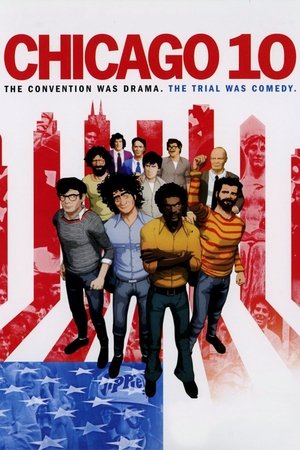
Archival footage, animation and music are used to look back at the eight anti-war protesters who were put on trial following the 1968 Democratic National Convention.
Billions of years ago, Venus may have harbored life-giving habitats similar to those on the early Earth. Today, Earth's twin is a planet knocked upside down and turned inside out. Its burned-out surface is a global fossil of volcanic destruction, shrouded in a dense, toxic atmosphere. Scientists are now unveiling daring new strategies to search for clues from a time when the planet was alive.
Unfolding in a series of eight vignettes, Sound Spring explores the history ofYellow Springs, Ohio over hundreds of years, as narrated by its residents incomical scenes: one interviewee rollerblades and reads the village's water meters, another stands on his head in a breakdancing freeze. The villagers describe American history-their ancestors' settlements after slavery, a friendship with Coretta Scott King, and Ohio's Trail of Tears- among other more personal details of village life. The wording of their recollections is imperfect, unsure-in fact they are all re-stagings of their previous audio interviews. Through performing their own previously recorded media, villagers uncover layers of time and storytelling.
When the first railroads were built some two hundred years ago, they brought about a revolutionary change for mankind, linking cities and countryside, driving the industrial revolution and irrevocably changing the landscape: a history of the railroad from its beginnings to the present day.
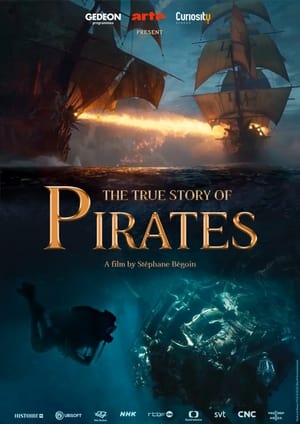
Thanks to new excavations in Mauritius and Madagascar, as well as archival and museum research in France, Spain, England and Canada, a group of international scholars paint a new portrait of the world of piracy in the Indian Ocean.
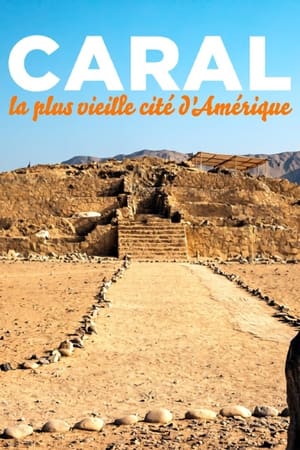
The Sacred City of Caral or Caral-Supe is the capital of the Norte Chico Civilization of Supe located in the Supe Valley, 200 km (124 miles) north of Lima. The Sacred City of Caral is the earliest known civilization in the Americas, it dates to the Late Archaic period. Radiocarbon analysis performed by the Caral-Supe Special Archaeological Project (PEACS) dates its development between 3000 to 1800 B.C.. It is believed that this civilization started by the merging of small villages based on trade of agricultural and fishing products. Its importance rests on the success of techniques of domestication of cotton, beans, potatoes, chilis, squash among other products. Success in agriculture was due to the development of water canals, reservoirs and terraces. They used guano, bird excrement, and anchovies as fertilizer.
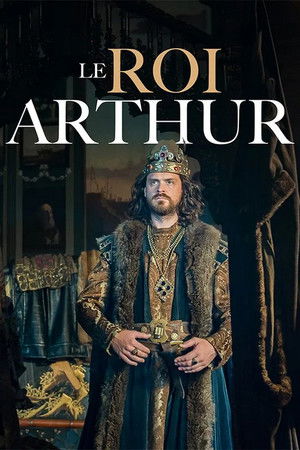
Le roi Arthur, l'envers du mythe
From empire to ashes-Japan's rise, war, and reckoning. A gripping journey through ambition, conflict, and the cost of a nation's destiny.
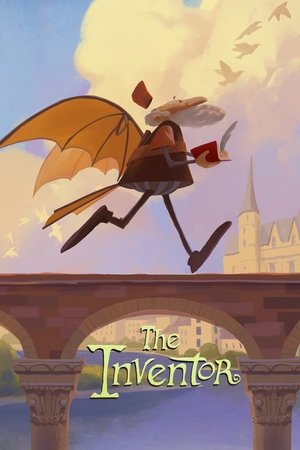
The insatiably curious and headstrong inventor Leonardo da Vinci leaves Italy to join the French court, where he can experiment freely, inventing flying contraptions, incredible machines, and study the human body. There, joined in his adventure by the audacious princess Marguerite, Leonardo will uncover the answer to the ultimate question – "What is the meaning of it all?"
Derry, 1972; As the civil rights movement across the North of Ireland begins to secure unprecedented wins, the British state responds with lethal force, murdering 14 people and sparking a 60 year fight for justice and accountability by a community for whom everything had changed. From the acclaimed directors of ‘To Kill a War Machine’ and the community who took on the British state and won, ‘The Day Innocence Died’ tells the story of the Bloody Sunday massacre and its legacy, weaving unheard testimonies and indelible archive footage into an epic cinematic documentary.