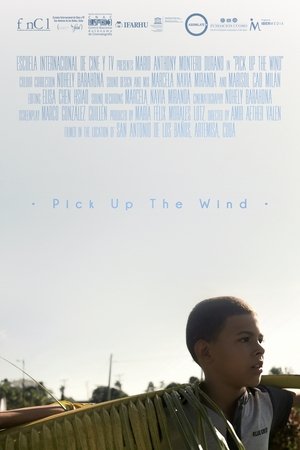
A young filmmaker maintains an epistolary conversation with his deceased grandmother while he rediscovers the space they both inhabited for more than a decade.
A paralysingly beautiful documentary with a global vision—an odyssey through landscape and time—that attempts to capture the essence of life.
Takes us to locations all around the US and shows us the heavy toll that modern technology is having on humans and the earth. The visual tone poem contains neither dialogue nor a vocalized narration: its tone is set by the juxtaposition of images and the exceptional music by Philip Glass.
A day in the city of Berlin, which experienced an industrial boom in the 1920s, and still provides an insight into the living and working conditions at that time. Germany had just recovered a little from the worst consequences of the First World War, the great economic crisis was still a few years away and Hitler was not yet an issue at the time.
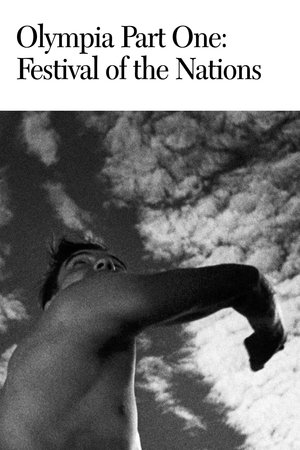
Starting with a long and lyrical overture, evoking the origins of the Olympic Games in ancient Greece, Riefenstahl covers twenty-one athletic events in the first half of this two-part love letter to the human body and spirit, culminating with the marathon, where Jesse Owens became the first track and field athlete to win four gold medals in a single Olympics.
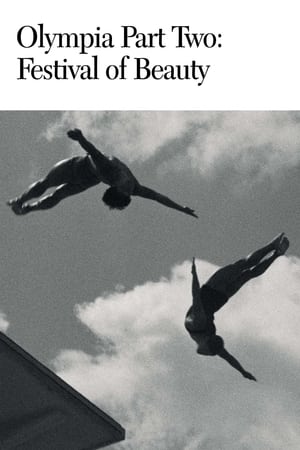
Part two of Leni Riefenstahl's monumental examination of the 1938 Olympic Games, the cameras leave the main stadium and venture into the many halls and fields deployed for such sports as fencing, polo, cycling, and the modern pentathlon, which was won by American Glenn Morris.
A record of what entertains the residents of Gardênia Azul, a neighborhood in the West Zone of Rio de Janeiro. On street corners, leisure activities in the community also reveal talents.
A woman narrates the thoughts of a world traveler, meditations on time and memory expressed in words and images from places as far-flung as Japan, Guinea-Bissau, Iceland, and San Francisco.
From Italian set designer to Brazilian stage director, Gianni Ratto, born in Italy in 1916 and based in Brazil since 1954, retraces the geographical path of his life, accompanied by his daughter, passing through Genoa, Milan, Florence, São Paulo, and Rio de Janeiro, visiting places and people who marked his journey. At each encounter, Gianni speaks of his work and reveals the ideas of someone who not only executes but also thinks about theater from a humanist perspective.
Carefully picked scenes of nature and civilization are viewed at high speed using time-lapse cinematography in an effort to demonstrate the history of various regions.
"The Boy Of The Fish" follows Noon, a young boy living in a Syrian refugee camp, who finds solace and a sense of freedom in a whale-shaped doll he names "Bahr." Set against the challenging realities of camp life, Noon’s journey is both a story of resilience and a testament to the boundless imagination of childhood. Through vivid symbolism and a unique soundscape, the film explores themes of loss, hope, and the longing for freedom amidst confinement. Shot entirely on an iPhone due to restrictions in the conflict zone, the film combines raw authenticity with poetic depth to capture the emotional landscape of a young soul navigating adversity.
A visual montage portrait of our contemporary world dominated by globalized technology and violence.
WINHANGANHA (Wiradjuri language: Remember, know, think) - is a lyrical journey of archival footage and sound, poetry and original composition. It is an examination of how archives and the legacies of collection affect First Nations people and wider Australia, told through the lens of acclaimed Wiradjuri artist, Jazz Money.
Cosme and Monica live with their children and grandchildren in Bahia de Kino, a fishing town in the northern State of Sonora, Mexico. They used to call themselves predators of the sea until one day they became unable to kill a sea turtle. Submerged in a crisis, they embark on a journey to try to save their way of life and of their fishing town through the creation of an environmental community group in charge of protecting sea turtles.
An exploration of technologically developing nations and the effect the transition to Western-style modernization has had on them.
Special Olympics athlete Jesse Lanterman prepares for her upcoming competition in her usual ways: working her salon job, bowling with friends, and searching for the juiciest strawberry in her garden. Filmed by the subject's cousin, this week-in-the-life short documentary offers an intimate profile that champions the tenderness of cousinly love.
Women find empowerment behind the red nose and makeup, revealing the playful and subversive spirit of female clowning. Through poetic and intimate performances, the clowns share stories that go beyond laughter, exploring their role as manipulators of energy and expression.
Cine Dunas
Tradição e Herança Ancestral - A história dos Mestres de Folias de Reis de Nova Iguaçu
Con Traje y Sin Zapatos