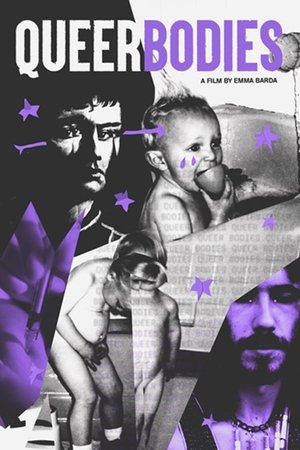
A self-reflexive, multi-portrait film following the filmmaker, Emma Barda, and other queer artists exploring queerness and gender identity through their art. The film takes a deep dive on how queer / gender non-conforming people interpret and represent body and gender identity through various facets of art and identity, with the aim to showcase the unique and wonderful world of queerness.
Filmmaker Alain Resnais documents the atrocities behind the walls of Hitler's concentration camps.
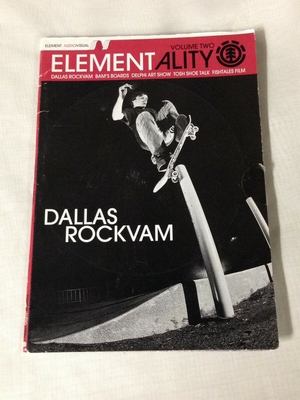
Skateboard film from Element Skateboards. Sequel to Elementality: Volume One. Featuring Nyjah Huston, Bucky Lasek, Bam Margera, Mike Vallely and Jeremy Wray.
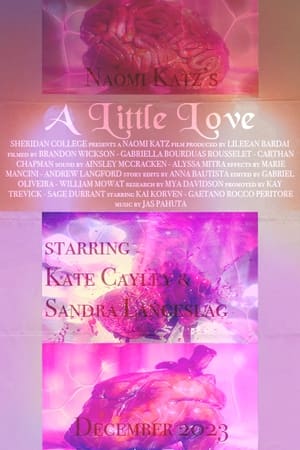
Through interspersed conversation and prose, this experimental documentary follows a poet and a neuroscientist as they explore the definition of love, what it means, and why it matters.
The film shows the flag handover and swearing-in ceremony of the first unit of the National People's Army on the eve of May 1, 1956 and the parade of units of the People's Army on the morning of May 1.
Short film directed by Traudl Kulikowsky
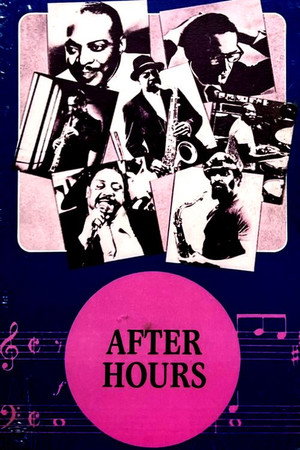
Documentary short showcasing the genius of jazz greats Coleman Hawkins, Roy Eldridge, Cozy Cole, and Milt Hinton, among others.
Good Grief is a short stop motion animated documentary that explores the lessons we learn from dealing with grief and loss. Five real people share their true stories of losing something precious and what it has taught them about living.
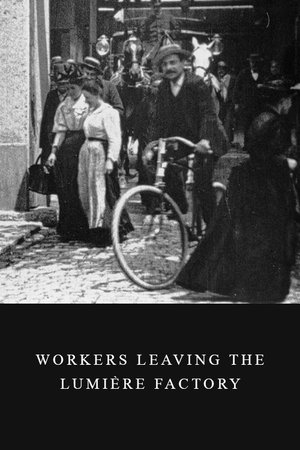
Working men and women leave through the main gate of the Lumière factory in Lyon, France. Filmed on 22 March 1895, it is often referred to as the first real motion picture ever made, although Louis Le Prince's 1888 Roundhay Garden Scene pre-dated it by seven years. Three separate versions of this film exist, which differ from one another in numerous ways. The first version features a carriage drawn by one horse, while in the second version the carriage is drawn by two horses, and there is no carriage at all in the third version. The clothing style is also different between the three versions, demonstrating the different seasons in which each was filmed. This film was made in the 35 mm format with an aspect ratio of 1.33:1, and at a speed of 16 frames per second. At that rate, the 17 meters of film length provided a duration of 46 seconds, holding a total of 800 frames.
Raízes de Concreto
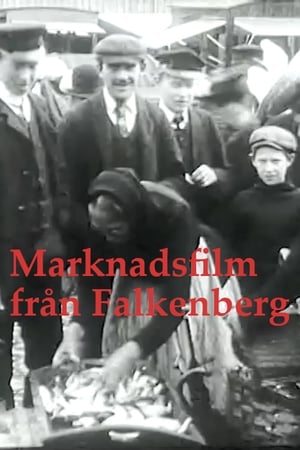
Documentary images from a market in Falkenberg.
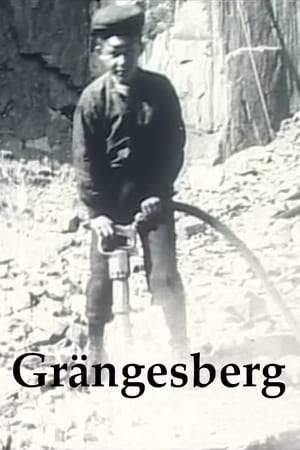
Images from Grängesberg's mines. The ore is loaded onto trains and transported to the port of Oxelösund.
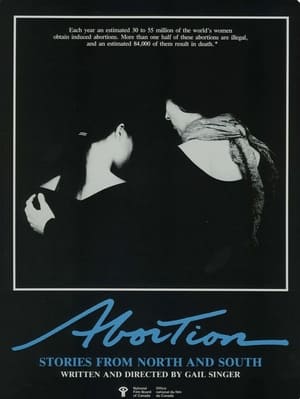
Women have always sought ways to terminate unwanted pregnancies, despite powerful patriarchal structures and systems working against them. This film provides a historical overview of how church, state and the medical establishment have determined policies concerning abortion. From this cross-cultural survey--filmed in Ireland, Japan, Thailand, Peru, Colombia, and Canada--emerges one reality: only a small percentage of the world's women has access to safe, legal operations.
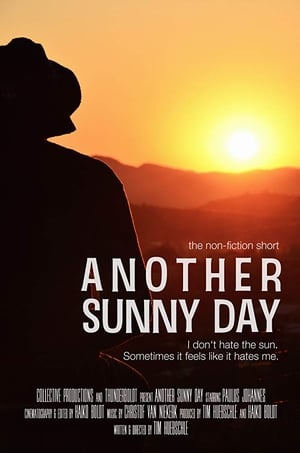
Imagine how life must be for someone whose skin has no protection whatsoever from the sun. And now imagine living in a country that averages over 80% sunshine during any given year. Welcome to Paulus's life in Namibia.
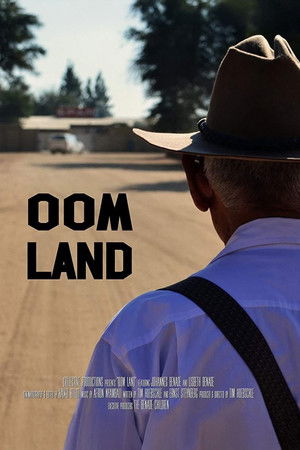
50 years ago the Volkswinkel - the People's Shop - opened for business in Rehoboth. The man behind the success story is Oom Land. Here you get to meet him.
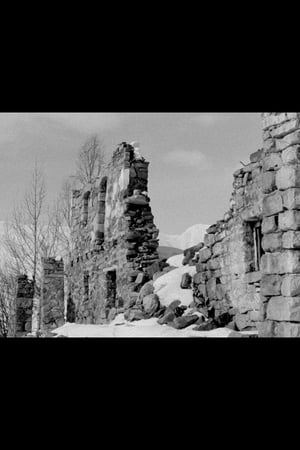
Voices from the past echo through the deserted, snow-covered stone houses in a village in the Caucasus Mountains.
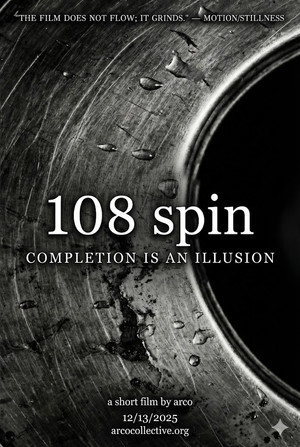
A kinetic prayer and structuralist intervention. Shot entirely on an iPhone 11 in a desolate Midwest laundromat, 108 spin documents the mechanics of impermanence. The film shifts from heavy turbulence to suspended repetition—not as a path to completion, but as a study of the loop itself. Featuring a layered soundscape, the work asks the viewer to stare into the rotation until the noise becomes a mantra.
A short film about the role of giving care to others and healing from loss, featuring Rebecca Moore, founder of The Institute for Animal Happiness (IFAH), a microsanctuary animal rescue and vegan advocacy organization.
The Faces of Parkinson shows the people who suffer from Parkinson's disease and the impact it made on their life and people around and close to them. As it also asks the question how one continues to stay positive with such a destructive disease.
This was a labour of love combining the work of some incredible artists to bring Máire Mhac an tSaoi’s poetry into the medium of film. Deargdhúil: Anatomy of Passion explores the life, work and sensual poetic imagination of the revolutionary Irish poet Máire Mhac an tSaoi. Born in 1922, her story is set against a backdrop of a tumultuous century in Irish history in which she and her family were centrally involved. At a time when women's voices were being silenced, the native tradition in the Irish language was her stage to explore the depths of female sexuality and experience without shame. Featuring the movement poetry of performance artist Maureen Fleming, interview by Louis de Paor, poetry voiced by Máire Mhac an tSaoi, Ailbhe Ní Ghearbhuigh and Nuala Ní Dhomhnaill, autobiography script voiced by Olwen Fouéré.