Greenland
Jasmin is joy, living in the moment. A 15-year-old boy described as "non-verbal autistic." He communicates through his eyes. He makes sounds, says a word. He constantly sings the rhythm of a song whose lyrics only he knows. A bubble of sweetness and love.
Using drama, comedy, and music, this video addresses safer sex, AIDS hysteria, relationships, homophobia, the hazards of sharing needles. Young people are encouraged to examine their ideas, attitudes, and practices, and to make personal health choices based on accurate information. What's wrong with this picture? was written by young people for young people. It uses young people's language and experiences, proving particularly effective where other forms of AIDS education have failed.
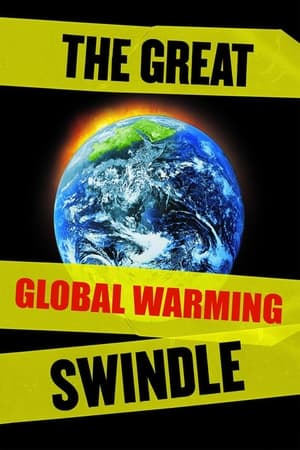
This film tries to blow the whistle on what it calls the biggest swindle in modern history: 'Man Made Global Warming'. Watch this film and make up your own mind.
WWF : à quoi joue le panda ?
We're entering the Earth's sixth era of extinction -- and it's the first time humans are to blame. CNN introduces you to the key species and people who are trying to prevent them from vanishing.
'The Forgotten Pacific' travels to five Pacific islands to discover how communities are weaving indigenous knowledge into the modern-day fight to adapt, rebuild and save their islands from climate change.
Two Canadian experts in underwater filming, Mario Cyr and Jill Heinerth, join forces for the first time to record how Arctic wildlife is adapting to the dramatic effects of climate change.
Increasing pollution, over fishing and climate change are major threats our oceans are currently facing worldwide. This documentary follows us on our journey as we film devastating consequences of these harsh realities.
Documentary about human impact on the world.
French actress Marion Cotillard travelled to the Philippines to meet with children and young people on climate change and what they want big-polluting governments to do about it. One of the girls she met is Marinel, a survivor of the Super Typhoon disaster in the Philippines in 2013, who is taking action on climate change in her own community. She participates in Plan International’s climate change adaptation projects and now teaches at youth camps to pass on everything she has learnt to the younger children. Marinel travelled to Paris with Plan International for the United Nations Framework Convention on Climate Change (UNFCCC) 21st Conference of the Parties (COP21) in December 2015.
A growing group of Dutch people in their twenties see the earth becoming less livable. They join the climate group Extinction Rebellion and campaign to fight the climate crisis. There is little they shy away from in their struggle: nightly campaigns, high-altitude actions, and even arrests or a criminal record. Everything for a better planet.
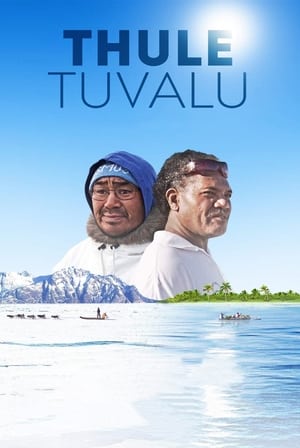
Thule, Greenland, also called Qaanaaqis, one of the northernmost towns in the world. As the climate warms and the ice caps begin to melt, the gentle balance of life for the people of this community is in jeopardy. On the other side of the globe, the melting ice caps are raising sea levels around the Polynesian island nation of Tuvalu, threatening to wipe the island right off the map. Though a world apart, these two communities are intricately connected as environmental balance begins to tip and traditional ways of life are threatened. 'ThuleTuvalu' is a stunning documentary addressing the high price of a hundred years of development and how two very different communities are now bound together in facing an uncertain future.
The climate is changing, global temperature is rising. The impacts are already apparent, especially in the mountains but also in the lowlands. The permafrost zone is shifting higher up and the masses of snow melt whooshing from the glaciers to the valleys are already increasing incessantly. Rivers are going to rise up to powerful floods and dwindle down to extremely low waters the next second.
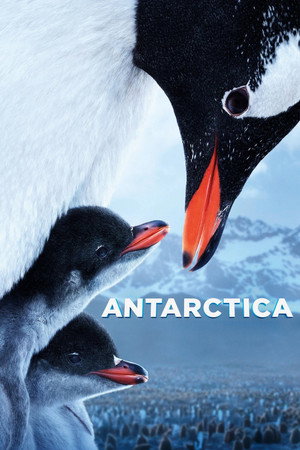
The bleakness of Antarctica is a fallacy. The ice continent is full of life and offers a biodiversity of which only about two percent are known. Much of it is under water and could determine the future of human beings. When the northern lights cover the ice landscape in summer, the animals in the Antarctic are in a paradisiacal state. Whales blow their fountains in the sky, penguins fly like small rockets into the water, seals dive for crabs under the glittering ice floes. From the bay of the Ross Sea to the ice shelf, from the huge penguin colonies to steaming volcanoes, a life in rhythm with the ice. But the consequences of climate change are slowly becoming apparent here too. While some species are dying, others are spreading. They could bring new viruses and bacteria with them, and new dangers for humans too. The structure of nature has gotten off course. How many generations will still be able to experience the magic of Antarctica?
A documentary following 12-year-old Paul and his brother Germain during a transformative summer in rural France. The film explores the loss of innocence as Paul confronts the harsh financial and physical realities of his family's farming livelihood, highlighting the father-son bond and an uncertain future.
In the cobalt mining areas of Katanga in the Democratic Republic of the Congo (DRC), babies are being born with horrific birth defects. Scientists and doctors are finding increasing evidence of environmental pollution from industrial mining which, they believe, may be the cause of a range of malformations from cleft palate to some so serious the baby is stillborn. More than 60% of the world’s reserves of cobalt are in the DRC and this mineral is essential for the production of electric car batteries, which may be the key to reducing carbon emissions and to slowing climate change. In The Cost of Cobalt we meet the doctors treating the children affected and the scientists who are measuring the pollution. Cobalt may be part of the global solution to climate change, but is it right that Congo’s next generation pay the price with their health? Many are hoping that the more the world understands their plight, the more pressure will be put on the industry here to clean up its act.
The Guarani people have searched for a land without shadows for a hundred years. The beauty in their home is precious and undeniable, but climate change threatens to ruin this special place.
Aftermath: Population Zero investigates what would happen if every single person on Earth simply disappeared. Explore the interactive world without us.
In May 2005, after 30 years of Moroccan occupation, Saharawi students initiated a series of peaceful demonstrations demanding their right to the United Nations-mandated referendum on Western Saharan independence. The Moroccan authorities responded with a brutal campaign of repression, detaining and torturing human rights activists as well as Saharawi students and children as young as eight years old.