Five friends journey by boat into Alaska's remote Aleutian Islands, chasing rumors of perfect waves. Directed by Ben Weiland and Brian Davis, this cold-water surf adventure delivers stunning visuals and raw, remote exploration.
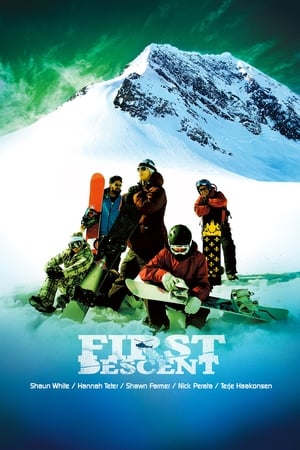
The documentary follows a crew of snowboarders for six weeks in the Chugach mountains, and showcases what it takes to ride these unique Alaskan mountains: the waiting, the stress, the dangers, everything that goes into it and is usually never shown. It also retraces some of the history of this unknown discipline and pays tribute to the pioneers. But the film really focuses on the human aspect and why these people do what they do.
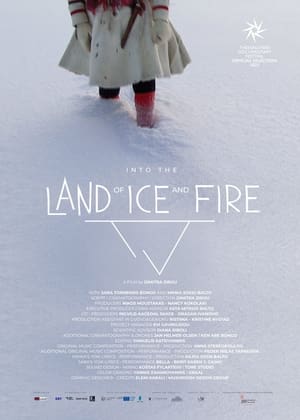
Two parallel stories are gradually unfolding the everyday life of two very different persons - that of 86-year-old Sara and 7-year-old Mihka - both residing in Guovdageaidnu - Kautokeino, in the middle of the Norwegian arctic tundra, through the drastic change of the arctic seasons and the passage from the long winter’s darkness to the never-ending light of the summer season.
Wildlife cameraman Gordon Buchanan travels to the frozen north, deep inside the Arctic Circle, to meet the ancient Sami people and the animals they hold so close - reindeer.
From the territories of the Arctic to the farthest reaches of the universe, Worlds of Ice shows us the astonishing omnipresence of ice.
This video includes excellent scenery and computer-generated videos that provide nice visual aid. These visual aides and the facts given by the narrator deliver on the National Geographic credibility you have come to expect. It includes wildlife in the Denali area, including two moose battling for a mate, as well as a brown bear cub taking out a caribou. The wildlife portion takes up about half of the video, about 25 minutes or so. The second half of this DVD shows a group of eight individuals who are climbing Mt. Mckinley. This gives an additional viewpoint of the Denali area for those who seek challenging ventures. The cons about this video are that I would have liked to see a longer wildlife portion, and it is not a very long video altogether (50 minutes), so the $18 price tag seems a bit much. If you are interested in Alaska, the arctic, national parks, mountain trekking, and wildlife, this is a good movie for you.
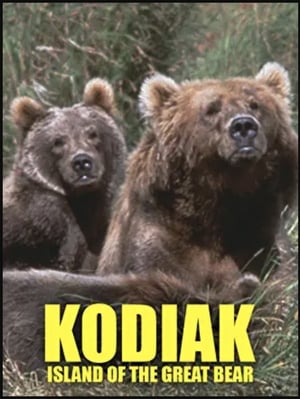
Even in a spot as remote and wild as Alaska's Kodiak Island, the struggle between man and nature continues. Wildlife filmmaker Wolfgang Bayer presents this tug-of-war from both the human and bear perspective. Taking viewers inside a Kodiak bear's den and providing an inside glimpse of the great carnivore's daily life, Bayer reveals the bears' fight for survival in the face of a shrinking habitat and often tragic encounters with humans.
An epic story of Australian and international scientists who are racing to understand our greatest natural wonder and employing cutting edge science in an attempt to save it.
In Abby Martin's second feature documentary, Earth’s Greatest Enemy reveals a hidden truth behind the climate crisis: the role of the U.S. military as the world’s largest institutional polluter. Drawing on powerful testimonies from veterans, scientists, and frontline communities, it uncovers how military operations poison ecosystems, accelerate global warming, and sacrifice the future for endless expansion. From Alaska’s melting glaciers to contaminated bases across the U.S. and toxic battlefields abroad, Earth’s Greatest Enemy delivers a provocative and unflinching examination of the untouchable institution playing an outsized role in the climate crisis.
We can't address the environmental crises of climate change and biodiversity loss if people don't care about nature, and it all starts with stepping outside and looking up. Through the lens of four inspiring women, The Birdwatchers aims to explore and break down some of the barriers preventing people from accessing nature. This film is a love letter to the world of birds, and a rallying cry for people to protect it.
Deciding whether to have a child is an emotionally fraught and deeply personal process. Deciding amid increasingly dire warnings about the climate makes it even more paralyzing. The Climate Baby Dilemma is a documentary charting the growing number of young people either refusing to bring a child into an increasingly unstable world or struggling with the ethics of whether they should or not. As the conversation about intimacy and climate change heats up, we meet activists, journalists, parents and prospective parents, ethicists and scientists to unpack this growing trend.
Filmmaker Jerome Bouvier spent a year in Spitzberg following the incredible destiny of a polar bear family in a rapidly changing environment. Casting brother and sister twin cubs, this tale focuses on their education and reveals their individual characters.
According to climate scientists, the year 2050 will be a tipping point in the history of our planet. As seawater slowly but surely warms up, the ice in Antarctica is melting before our very eyes.
'The Forgotten Pacific' travels to five Pacific islands to discover how communities are weaving indigenous knowledge into the modern-day fight to adapt, rebuild and save their islands from climate change.
Alaska... Here, in this vast and spectacularly beautiful land teeming with abundant wildlife, discover the "Spirit of the Wild." Experience it in the explosive calving of glaciers, the celestial fires of the Aurora Borealis. Witness it in the thundering stampede of caribou, the beauty of the polar bear and the stealthful, deadly hunt of the wolf pack.
Longyearbyen, Svalbard, is the northernmost settlement in the world. About 3000 polar bears and 400 snow scooters outnumber its 2700 inhabitants. It is a place where you can actually see climate change and social diversity.
The story of a brilliant ecologist with a plan to save the world by restoring the planet's forests. His original work was hijacked by corporations and politicians with disastrous effect. Now he's using science to fight back.
How does a nation survive being swallowed by the sea? Kiribati, on a low-lying Pacific atoll, will disappear within decades due to rising sea levels, population growth, and climate change. This exploration of how to migrate an entire nation with dignity interweaves personal stories of survival and resilience.
‘When it comes to climate change, why do we do so little when we know so much?’ Through a relentless investigation to find the answer, Disruption takes an unflinching look at the devastating consequences of our inaction. The exploration lays bare the terrifying science, the shattered political process, the unrelenting industry special interests and the civic stasis that have brought us to this social, moral and ecological crossroads.The film also takes us behind-the-scenes of the efforts to organize the largest climate rally in the history of the planet during the UN world climate summit.
Through encounters with a hydrologist, a farmer, and citizens mobilized around the Marais Poitevin, the director helps us understand the effects—on biodiversity and the state of rivers—of substitution reservoirs, also known as megabassins. For several years, Anne-Morwenn, David, Patrick, Yann, and others have been fighting for fair water sharing and devising ways to convince as many people as possible that it is time to change the agricultural model.