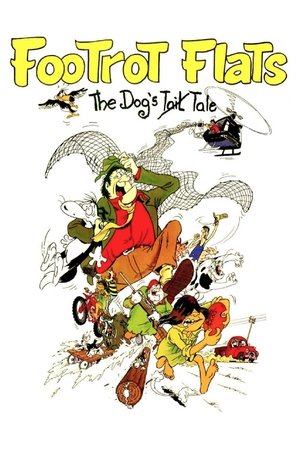
Featuring the characters from Murray Ball's "Footrot Flats" (New Zealands most beloved local cartoon strip), questions to be answered include: Will Wal Footrot win the affections of Cheeky Hobson over the sleazy Spit Murphy? Will the Dog win the affections of the lovely Jess? Will Wal make a good impression on the selectors at Saturday's rugby match? Can Rangi and Pongo save Cooch's prize stag from the depths of Blackwater Station, home of the Murphys, their vicious dogs and deadly croco-pigs? All this and more will be answered as the small town of Raupo comes to life on the big screen.
The documentary takes the viewer to the Polish countryside of the mid-1970s. Andrzej, Leszek, Eugeniusz, Ryszard and Jerzy are young men who dream of finding their other half. The film's protagonists have advertised in newspapers and talk frankly and without inhibition about their search and the dilemmas it involves. The picture is complemented by the statements of their parents, who watch their sons' efforts to start a family with love but also concern. The film also gives an insight into the problems farmers face - not only love but also hard work on the land awaits the chosen one of their hearts. "Either get married or quit this farm", "What's one to do on a farm?" - say the characters in the film. The countryside is not a place made for living alone.
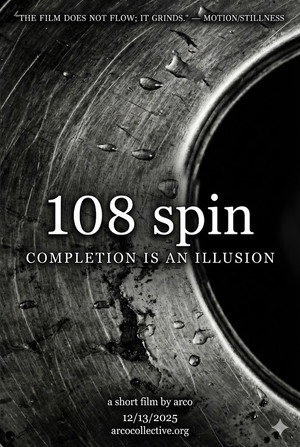
A kinetic prayer and structuralist intervention. Shot entirely on an iPhone 11 in a desolate Midwest laundromat, 108 spin documents the mechanics of impermanence. The film shifts from heavy turbulence to suspended repetition—not as a path to completion, but as a study of the loop itself. Featuring a layered soundscape, the work asks the viewer to stare into the rotation until the noise becomes a mantra.
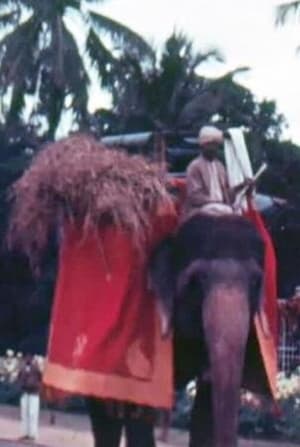
Two sides of Mysore: down to earth with the field workers and an Indian spectacle for the Maharaja.
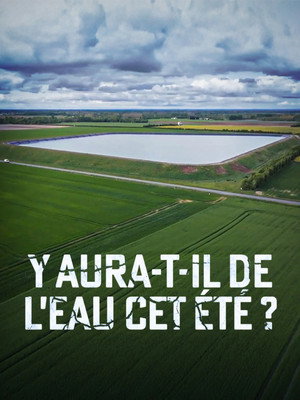
Through encounters with a hydrologist, a farmer, and citizens mobilized around the Marais Poitevin, the director helps us understand the effects—on biodiversity and the state of rivers—of substitution reservoirs, also known as megabassins. For several years, Anne-Morwenn, David, Patrick, Yann, and others have been fighting for fair water sharing and devising ways to convince as many people as possible that it is time to change the agricultural model.
Fuck TV was a comprehensive and experiential audio-visual presentation comprised of ten episodes. Aired to a passive and unsuspecting audience on San Francisco’s public access channel from 1997 to 1998, each episode of Fuck TV was dedicated to a specific topic, combining video collage and cut-up techniques set to a harsh electronic soundtrack. The resultant overload of processed imagery and visceral sound was unlike anything presented on television before or since. This DVD set marks the first time that this show has been made available since its original airing.
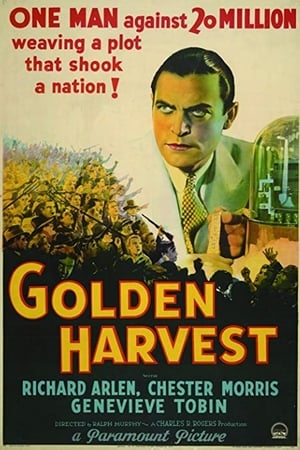
A play by Nina Wilcox Putnam was the source for the empire-building drama Golden Harvest. Ambitious grain trader Chris Martin corners the wheat market and becomes a millionaire. Outgrowing his humble farm beginnings, Chris makes a bid for respectability by marrying Chicago socialite Cynthia Flint.
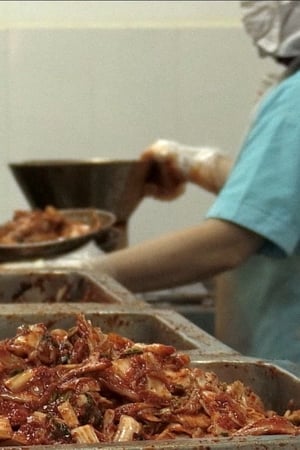
The sights and sounds of a kimchi factory in Vietnam.
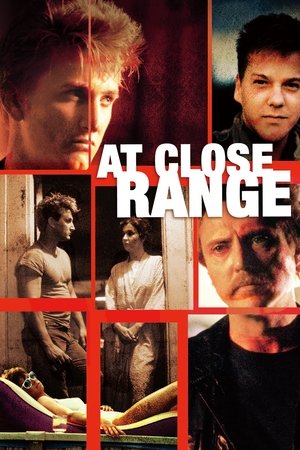
Brad Whitewood Jr. lives in rural Pennsylvania and has few prospects. Against his mother's wishes, he seeks out his estranged father, the head of a gang of thieves in a nearby town. Though his new girlfriend supports his criminal ambitions, Brad Jr. soon learns that his father is a dangerous man.
L'Amour vache
Family farmers in southwest France practice an ancestral way of life under threat in a world increasingly dominated by large-scale industrial agriculture.
Chevrolet's 1950 short film, “E for Efficiency,” produced by Jam Handy, touts the efficiency of Chevrolet's valve-in-head engine.
For centuries, rice farmers on the island of Bali have taken great care not to offend Dewi Danu, the water goddess who dwells in the crater lake near the peak of Batur volcano. Through an analysis of ritual, resource management practices (planting schedules, irrigation vs. conservation, etc) and social organization, anthropologist Steve Lansing and ecologist James Kremer discover the intricacy and sustainability of this ancient water management agricultural system.
Within the last half century, our agriculture and food has changed more than it has changed before in several thousand years. New technologies and scientific ingenuity have given rise to genetically modified organisms (GMO) and other novel foods. Some people have raised concerns about the safety of GMOs in our food supply, given their incredible dominance in the majority of our diet. Traditional, organic farmers, have consistently been under attack by large corporate farming interests, who seek to dominate the food industry and run family farms out of business. This film looks at our current food system as well as a variety of smaller, organic options available to consumers who want to support sustainable farming methods.
Is there a mental health crisis in agriculture in Colorado? Farming and ranching has become increasingly difficult over the years. An industry that is typically viewed as romantic, hardworking, and "salt-of-the earth" is actually a job full of tremendous stress outside of anyone's control. Combine that with the enormous generational pressure to continue the family farm, and you have a large group of people that are suffering silently. How do we take care of those that are taking care of us?
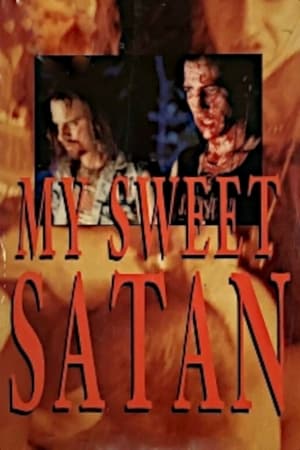
A group of directionless, bored, drug-using teenagers get involved in a cult, resulting in a murder.
Three family-owned farms on the Delmarva Peninsula and their success using practices that protect and promote healthy soil; practices that also safeguard working lands against the extremes posed by climate change.
"I’m Just a Layman in Pursuit of Justice" chronicles the injustices of the U.S. Department of Agriculture, also known as ‘the last plantation,’ and the lived experiences of Black farmers who chose to fight against discrimination.
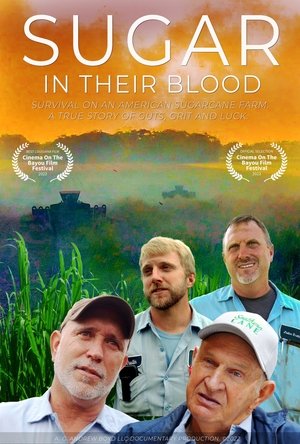
Mainly through the voice of family patriarch Joe Judice, Sugar in Their Blood follows a family of 7th generation Louisiana sugarcane farmers as they struggle with all of the challenges inherit in staying in business. It's a story of pride and resilience in the face of constantly changing conditions, both in terms of business and climate.
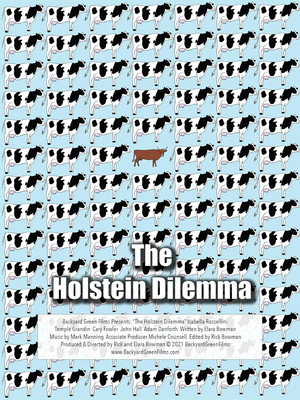
What the heck is a heritage breed, anyway, and why should we all care? What started out as a simple question at a livestock fair inspired filmmakers Rick and Elara Bowman to search for answers across North America, from those who actually do the work and the experts that back it up with science. With interviews from agriculturalists, scientists and personalities to find out more about Heritage Breed livestock, this film explores why diversity is important in today's agricultural model that's based on large volume, fast growth, and the cheapest product possible for the consumer, but little else. Heritage breed animals have things to offer that we won't know we need until we need them, like pest and disease resistance, fertility, and tolerance to climate extremes.