Documentary about Queen Elizabeth Square, Sir Basil Spence's block of Brutalist style flats built to replace the Gorbal's tenements in Glasgow during the 1960s. His vision was based on architect Le Corbusier's ideas and inspired him to transform the Gorbals into a Modernist Utopia. The film is about the life and times of one building told by some of the people involved in its history. The block was dynamited in 1993 amidst controversy and the death of a spectator. It is mentioned in Pevsner's Notable Buildings of Britain. This film was shown on BBC Scotland's Ex-S strand in 1993. Produced by May Miller and directed by Conrad Blakemore. This film is posted for educational and research purposes only and is copyright of BBC Scotland. Archive material courtesy of the Scottish Film Archive and the film's contributors.
A young city girl explores the idea of beauty with her uncle Michel, a retired farmer from the Beauce region. An amusing and touching encounter between two visions of art and the world.
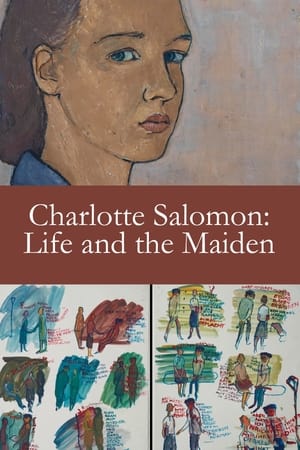
In 1940, the German artist Charlotte Salomon (1917-43) undertook an extraordinary artistic adventure, during which she combined painting, text and music: in only eighteen months, she painted more than a thousand paintings. In 1943, she was arrested by the Nazis and sent to the Auschwitz extermination camp.
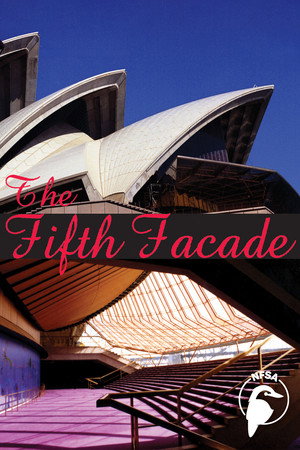
On 20 October 1973, the Sydney Opera House was officially opened by Queen Elizabeth II. From conception to completion, it had taken more than 15 years and over $100 million dollars. In the years since its completion, the Sydney Opera House has become one of the most identifiable of Australia’s icons - ranking with the Sydney Harbour Bridge, Uluru, the koala and kangaroo - and is considered by many to be among the world's great architectural masterpieces.
Tarology follows Enrique through the streets of New York City as he shows us how to see the tarot - not superstitiously, but through the eyes of an artist - and how we are surrounded everyday by both the beauty and the symbolism of this ancient and often misunderstood tradition.
La città macchina
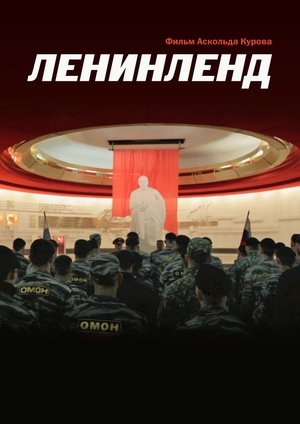
At the peak of Perestroika, in 1987, in the village of Gorki, where Lenin spent his last years, after a long construction, the last and most grandiose museum of the Leader was opened. Soon after the opening, the ideology changed, and the flow of pilgrims gradually dried up. Despite this, the museum still works and the management is looking for ways to attract visitors. Faithful to the Lenin keepers of the museum as they can resist the onset of commercialization. The film tells about the modern life of this amazing museum-reserve and its employees.
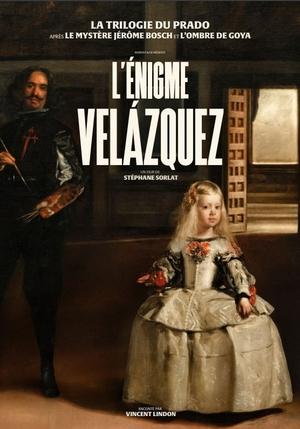
Diego Velásquez, painter of kings and commoners, master of the off-frame and mise-en-abyme, stands at the heart of a cinematic journey that challenges conventions. From the hypnotic depth of Las Meninas to the dizzying layers of meaning in The Spinners, The Vélasquez Mystery seeks to unravel a troubling question: how does this artist, admired by geniuses such as Manet and Dalí, remain so often on the margins of collective memory? Guided by the symbolic thread of water, a metaphor for movement and reflection, the film traverses centuries and continents, boldly blending historical narratives, contemporary interpretations, and reflections on the universal legacy of an unmatched master.
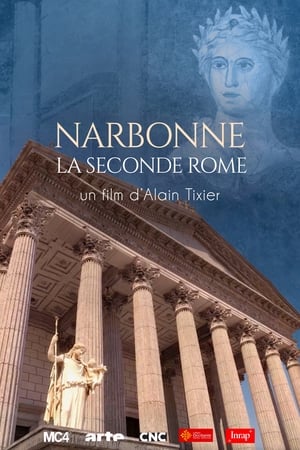
More than 2.000 years ago, Narbonne in today's Département Aude was the capital of a huge Roman province in Southern Gaul - Gallia Narbonensis. It was the second most important Roman port in the western Mediterranean and the town was one of the most important commercial hubs between the colonies and the Roman Empire, thus the town could boast a size rivaling that of the city that had established it: Rome itself. Paradoxically, the town that distinguished itself for its impressive architecture, today shows no more signs of it: neither temples, arenas, nor theaters. Far less significant Roman towns like Nîmes or Arles are full of ancient sites. Narbonne today is a tranquil town in Occitania
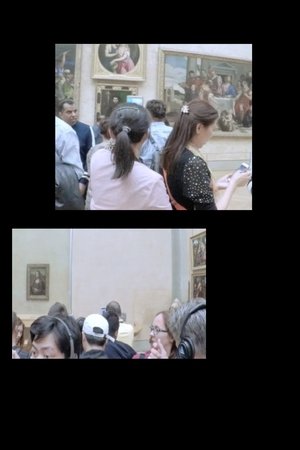
People looking at the Mona Lisa in the Louvre – or are they just looking at themselves?
Angkor et Les Mystères de L'Empire Khmer
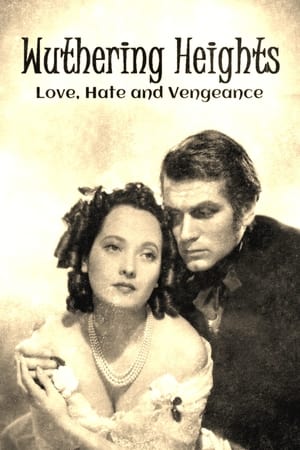
In 1847, British writer Emily Brontë (1818-48), perhaps the most enigmatic of the three Brontë sisters, published her novel Wuthering Heights, a dark romance set in the desolation of the moors, a unique work of early Victorian literature that stunned contemporary critics.
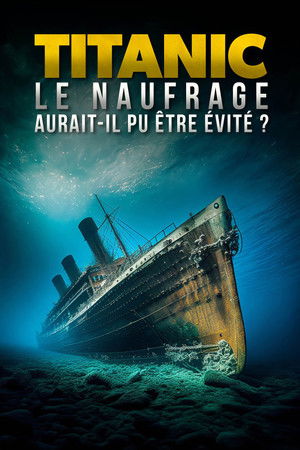
Titanic : Le naufrage aurait-il pu être évité ?
How were the giant stone heads of Rapa Nui – also known as Easter Island – carved and raised, and why? Since Europeans arrived on this remote Pacific island over 300 years ago, controversy has swirled around the iconic ancient statues and the history of the people who created them. Now, a new generation of researchers is overturning old theories, revealing the rich history, innovation, and resilience of the Rapanui people, and uncovering intriguing new evidence about where they – and their practice of monumental stone building – came from.
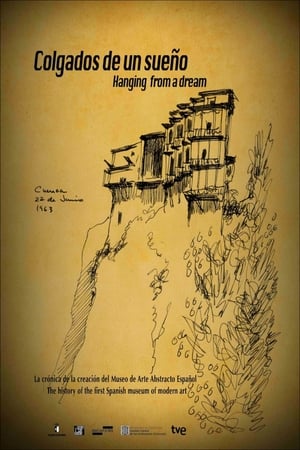
The history of how the Museum of Spanish Abstract Art of Cuenca was created. In the mid-1950s, the Spanish collector and painter Fernando Zóbel de Ayala (1924-84) becomes fascinated by the young generation of Spanish abstract artists, so he begins to collect their works to show them to the public in Toledo. Until Gustavo Torner, a young forest engineer interested in art, proposes him to visit his city, Cuenca.
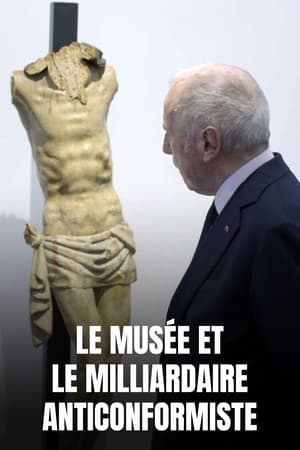
Le Musée et le Milliardaire anticonformiste
A documentary that traces the creation of the Philadelphia sculpture, Schuylkill Currents from the granite quarry through the refined finished public sculpture.
With a pair of scissors and some paper, he turned his art into a weapon the Nazis feared. A look back at the eventful career of satirist John Heartfield (1891-1968), pioneer of photomontage and modern graphic design.
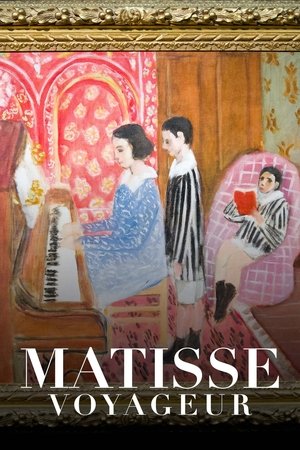
On the occasion of the 150th anniversary of Matisse's birth and of the exhibition at the Center Pompidou which will be dedicated to him in 2020, this art documentary brings us back to life of the journeys made by Matisse that influenced his art. And particularly his last trip to Polynesia in 1930 which will bring him to the threshold of contemporary art with the invention of his gouache cut-out papers.
Living Memories is a documentary film that traces the history of the director’s neighborhood and native country, Haiti, through a personal and engaged perspective. Brick by brick, through encounters and wanderings throughout Port-au-Prince’s neighborhoods, archival photos, graffiti, and animations, the filmmaker introduces us to architect Léon Mathon and the residential architecture of the early 20th century. Over the ruins of her family home, Dominique, the director's mother, an architect like her father and grandfather before her, searches through her memories and significant places for traces of the past and the history of her country. Many of her landmarks are no longer there. From this tragedy arises a quest — a need to reconnect memory and history to understand the present better. The filmmaker follows her mother during her journey, capturing her reflections and conversations and documenting them to bring memories back to life.