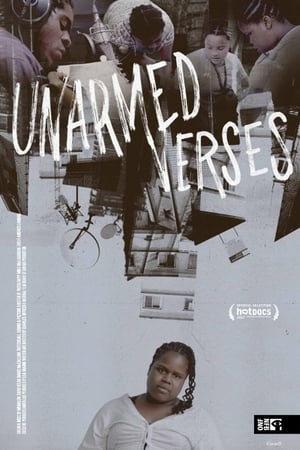
Toronto filmmaker Charles Officer profiles the young people of Villaways Park, a housing project on brink of historic change.
Public Housing is Wiseman’s unflinching portrayal of life at the Ida B. Wells housing project in Chicago, a raw exposition of the daily conflicts between residents and the bureaucratic machinery to which they are continually subjected. With intimate detail and an abiding dedication to his subject, Wiseman unearths the hidden facets of institutions to find humanity and sites of unexpected beauty.
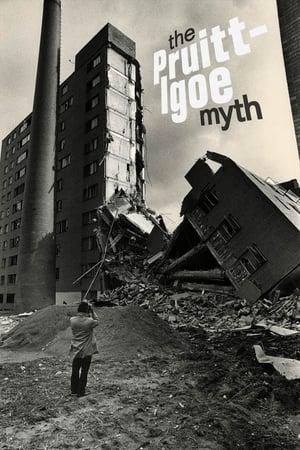
Destroyed in a dramatic and highly-publicized implosion, the Pruitt-Igoe public housing complex has become a widespread symbol of failure amongst architects, politicians and policy makers. The Pruitt-Igoe Myth explores the social, economic and legislative issues that led to the decline of conventional public housing in America, and the city centers in which they resided, while tracing the personal and poignant narratives of several of the project's residents. In the post-War years, the American city changed in ways that made it unrecognizable from a generation earlier, privileging some and leaving others in its wake. The next time the city changes, remember Pruitt-Igoe.
Stars, director and producers of Chicago (2002) are interviewed about the film with a decade of hindsight.
This documentary presents a before-and-after picture of people in a large-scale public housing project in Toronto. Due to a housing shortage, they were forced to live in squalid, dingy flats and ramshackle dwellings on a crowded street in Regent Park North; now they have access to new, modern housing developments designed to offer them privacy, light and space.
In buildings where foreign workers lived in Germany, there were strict rules of conduct, defined by the house rules and supervised by the building superintendents. Many rights regarding the freedom of movement, communication and behavior were abused. Interviews with the tenants and with the "orderlies" which point out absurd situations and clashes caused by these restrictions.
While gun violence was on the decline in most major US cities, why did it continue to increase in Chicago's segregated communities? What is known about the systems that created the problem, the laws that isolated it, and the policies that abandoned it? Using dramatic footage, including interviews with residents on the front lines over the last 15 years, this documentary opens a rare historical window into the systematic creation of poverty stricken communities plagued by gun violence.
West Estate spotlights the severe housing problems in Hong Kong, taking the spirit of resistance outside of the protest. The damaged walls in the cage-like tenements reflect the many forms of social injustice as well as Hongkongers’ widespread sense of rootlessness. Connecting three stories from different households like puzzle pieces, the film depicts people’s despair over issues of family, sexuality, love, and freedom.
Cronache dell'eternità
A short documentary exploring the UK’s 1970s approach to urban renewal through General Improvement Areas. Mixing location footage from Blackburn, Norwich, and Oxford with unexpectedly quirky presentation, the film contrasts small-scale housing improvements with the sweeping redevelopment schemes of the post-war era. Produced as a government public information film and shown at meetings between planners, architects, and residents, it stands as a modest, humane entry in Britain’s civic-minded documentary tradition.
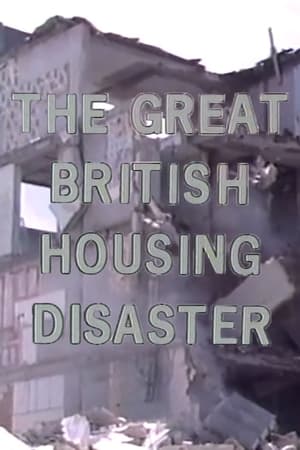
David Jones investigates how 1960s council housing came to be built so poorly that thousands later needed to be demolished.
Vita di borgata
This Rose will forever be Chicago Red.
The real life story of the events surrounding the fight for and against public housing and racial integration in Yonkers, New York in the 1980s as portrayed in the HBO miniseries Show Me a Hero.
In 1980s Brooklyn, a resilient family, evicted from public housing, refuses to succumb to homelessness or welfare. Instead, they construct their own home-one scrap of discarded wood at a time.
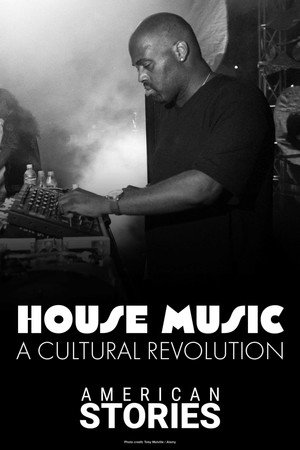
House music is a genre that connects, uplifts, and unites people. It resonates globally and is prevalent on the world’s biggest music stages. Born in Chicago, this sound developed during the turbulent 1970s when a group of predominantly gay Black artists, who faced constant harassment, pioneered a new type of dance music at underground venues. House music became the anthem of safe spaces, free from the racism and homophobia of the outside world, ultimately igniting a cultural and musical revolution.
In the wake of the assassination of Martin Luther King in 1968, chaos erupted on Chicago’s West Side. Grief turned into anger as protests, riots, looting, and fires consumed some neighborhoods. Audio-narrated descriptions of key visual elements are available.
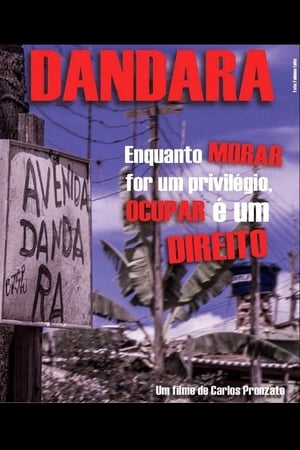
Dandara: Enquanto Morar for um Privilégio, Ocupar é um Direito
An anti-littering public service announcement from the Chicago Park District
via print and film, love and music, state propaganda and people's archives, five-year plans and Emergency.