Michel Blanc, sur un malentendu
The Vatican media documentary about the roots of Robert Francis Prevost in his native United States. It follows an itinerary that begins with his childhood in Dolton, through the memories of his brothers Louis and John, and continues among schools and universities, communities and parishes, featuring the voices of confreres, teachers, classmates, and longtime friends. A production of the Vatican Dicastery for Communication, in collaboration with the Archdiocese of Chicago and the Apostolate El Sembrador Nueva Evangelización (ESNE), broadcast on the official channels of Vatican Radio – Vatican News.
This documentary looks back on a career of a woman who, very early on, refused to accept the roles assigned to her. In the 1980s, while others were trying to please, she wrote "Les hommes préfèrent les grosses" (Men Prefer Fat Women), a manifesto ahead of its time, funny, feminist, and blunt. Later, with "Gazon maudit" (Damned Grass), she tackled homosexuality with a freedom that is still shocking today.
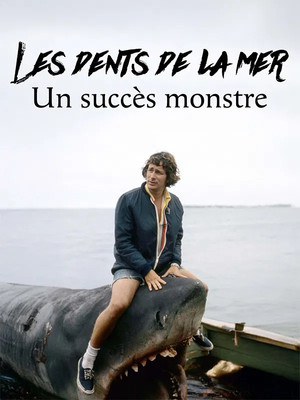
In the summer of 1975, the young director Steven Spielberg set new standards for cinema worldwide with an oversized shark bite, a plastic shark fin and an unmistakable two-note main theme composed by John Williams. With the horror from the deep, a man-eating, gigantic great white shark, the film of the same name became a similarly traumatic reference as Alfred Hitchcock's "Psycho": it triggered lasting primal fears across generations. On the beaches of the world, there was clearly a "before" and an "after". Steven Spielberg, who was only 28 at the time, not only set new standards for the thriller genre, but also hid his biting criticism of US capitalism in the 1970s behind it.
Found footage: California in the 1950's and 60's. A young Indian couple enjoys their personal American dream come true in their home somewhere in the suburbs of San Francisco. In great detail they pose with their newly achieved wealth in front of their Super-8 camera. Just like postcards, they would send these film rolls to their joint families back in India. Around the same time, an American missionary couple visits the city of Calcutta to shoot a Christian propaganda film. The drastic reality with poverty and famine in the streets of the Indian metropolis fits perfectly into their wicked plan: To promote the faith in Jesus by showing the misery that pagan believers are doomed to suffer from.
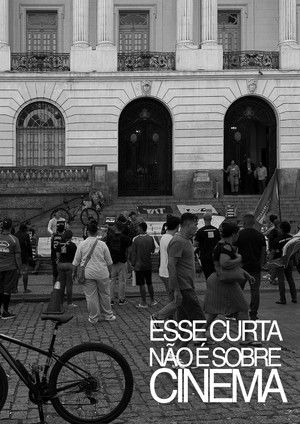
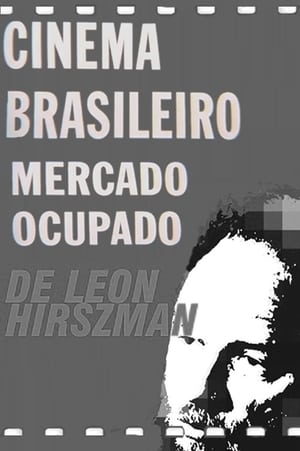
Documentary by Leon Hirszman about the economic conditions of film production in Brazil, produced in 1975 with sponsorship from Embrafilme and kept unreleased since then.
Arte-Ato
Esse curta não é sobre cinema
Choreography of familiar gestures that the author was able to spice up with a peculiar and original perspective.
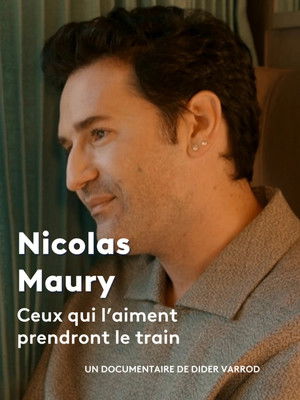
Between the nostalgia of resurfacing roots and the desire to venture into song to experience a rebirth, Nicolas Maury reveals himself unguarded before Didier Varrod, with a deeply moving sincerity. Nicolas Maury released his first album, La porcelaine de Limoges, in January 2023—a new experience for this unique, demanding, and multifaceted actor. It is an opportunity to paint an intimate portrait of him through an extended interview on a train between Paris and Limoges. In this specific setting, which was also that of his first (silent) film role with Patrice Chéreau in Those Who Love Me Can Take the Train, Nicolas discovers archives and hears from close acquaintances who speak about him. A documentary film, like a kind of initiation rite, it moves back and forth between memories of France and childhood, and his condition as a man and artist today, taking on a new identity through music.
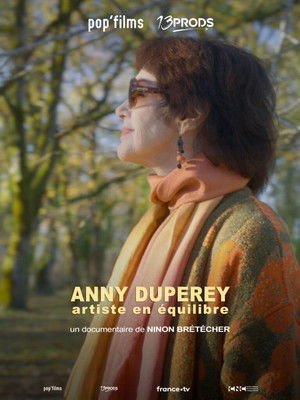
A popular actress, Anny Duperey lived a precarious life for many years until she found a place to settle down in Creuse. It is there that she keeps her photos, writes, and recharges her batteries. In this portrait, she breaks with convention by playing with her image and openly questioning the desires of an actress as her career is revisited.
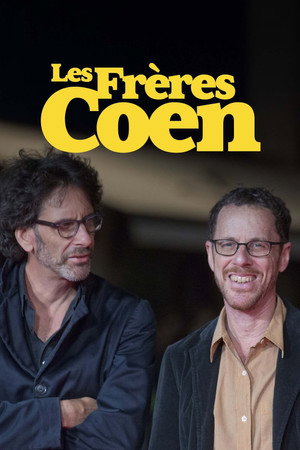
Tracing the careers of these two cinema enthusiasts, this documentary reveals the secrets behind the work of Ethan and Joel Coen, screenwriters and directors who are interchangeable within the same two-headed entity. It features fascinating, previously unseen interviews with some of the most iconic actors from their filmography.
"A supplementary country called cinema … I began collecting stamps in my passport, with this infantile, idiotic, idea that I could set foot in all the countries of the world … Where I almost stumbled into catastrophe was when the postcard, a strange clandestine umbilical chord, couldn't be found." – Serge Daney
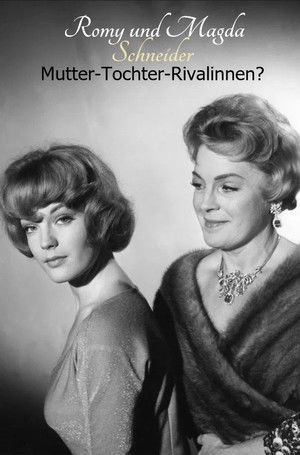
New light is shed on the complex relationship between Romy Schneider and her mother Magda, a German film star of the 1930s admired by Hitler - who welcomed her and her daughter to his chalet in Berchtesgaden.
An audiovisual essay constructed from Super 8 footage filmed during camera tests for the short film ‘La Trampa’. Through gestures, light, and silences, it reflects on what the image reveals and what it leaves unsaid.
Cinema da nossa gente
A look back at the filming of À Bicyclette !, written by and starring Mathias Mlekuz and Philippe Rebbot, which took place across Europe. During filming, the bond between Mathias Mlekuz and Philippe Rebbot grew stronger and many emotions came to the surface in this film filled with laughter, tears, hope, disappointment, and love.
Figli del Set
A documentary exploring Saudi Arabia's hidden film culture, following movie lovers who grew up without theaters in the 1980s and uncovering the nation's pre-1979 cinematic history through pioneers who kept their passion alive.
At his cinema in Rome, the Nuovo Sacher, Nanni Moretti anxiously oversees preparations for the premiere of the film Close-up, by Iranian director Abbas Kiarostami. Meanwhile Disney's The Lion King is taking Italy by storm.