Andy Towers lives in his car, taking photos of an unseen woman. Pete Mauder, his friend, brings coffee to console him.
A popular actress, Anny Duperey lived a precarious life for many years until she found a place to settle down in Creuse. It is there that she keeps her photos, writes, and recharges her batteries. In this portrait, she breaks with convention by playing with her image and openly questioning the desires of an actress as her career is revisited.
A documentary exploring Saudi Arabia's hidden film culture, following movie lovers who grew up without theaters in the 1980s and uncovering the nation's pre-1979 cinematic history through pioneers who kept their passion alive.
Refúgio
An audiovisual essay constructed from Super 8 footage filmed during camera tests for the short film ‘La Trampa’. Through gestures, light, and silences, it reflects on what the image reveals and what it leaves unsaid.
This documentary looks back on a career of a woman who, very early on, refused to accept the roles assigned to her. In the 1980s, while others were trying to please, she wrote "Les hommes préfèrent les grosses" (Men Prefer Fat Women), a manifesto ahead of its time, funny, feminist, and blunt. Later, with "Gazon maudit" (Damned Grass), she tackled homosexuality with a freedom that is still shocking today.
Michel Blanc, sur un malentendu
Charlotte, mon amour...
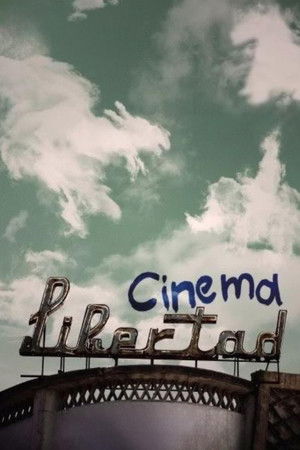
Earl Clancy, a cinema owner on the edge, battles a series of disasters while juggling personal turmoil and the chaos of a packed Friday night crowd. Told in real time over the course of the movie playing in the cinema (Breathless, starring Richard Gere).
Arte-Ato
A look back at the filming of À Bicyclette !, written by and starring Mathias Mlekuz and Philippe Rebbot, which took place across Europe. During filming, the bond between Mathias Mlekuz and Philippe Rebbot grew stronger and many emotions came to the surface in this film filled with laughter, tears, hope, disappointment, and love.
Tracing the careers of these two cinema enthusiasts, this documentary reveals the secrets behind the work of Ethan and Joel Coen, screenwriters and directors who are interchangeable within the same two-headed entity. It features fascinating, previously unseen interviews with some of the most iconic actors from their filmography.
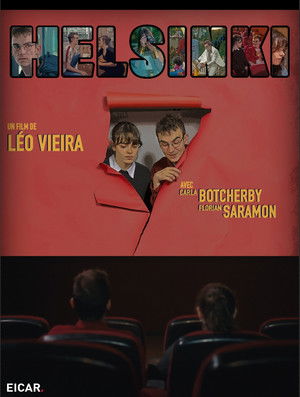
Helsinki
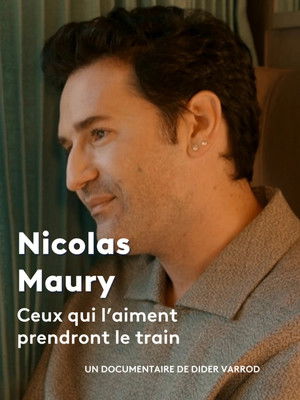
Between the nostalgia of resurfacing roots and the desire to venture into song to experience a rebirth, Nicolas Maury reveals himself unguarded before Didier Varrod, with a deeply moving sincerity. Nicolas Maury released his first album, La porcelaine de Limoges, in January 2023—a new experience for this unique, demanding, and multifaceted actor. It is an opportunity to paint an intimate portrait of him through an extended interview on a train between Paris and Limoges. In this specific setting, which was also that of his first (silent) film role with Patrice Chéreau in Those Who Love Me Can Take the Train, Nicolas discovers archives and hears from close acquaintances who speak about him. A documentary film, like a kind of initiation rite, it moves back and forth between memories of France and childhood, and his condition as a man and artist today, taking on a new identity through music.
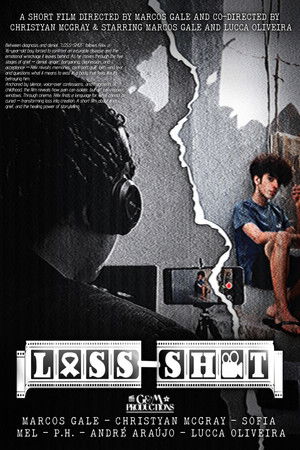
Felix, a 16-year-old boy, receives a diagnosis of an incurable disease and sees his life turned into uncharted territory. Unable to accept this new reality, he goes through the stages of grief denial, anger, bargaining, depression and finally, a delicate beginning of acceptance. Amidst the emotional chaos, Felix finds an unexpected refuge in filmmaking. Films begin to offer not only comfort, but a new way of seeing the world and himself. It is then that his passion is born: telling stories. Driven by the need to give meaning to his life, he decides to transform his journey into art and begins to write and direct a film about his own life.
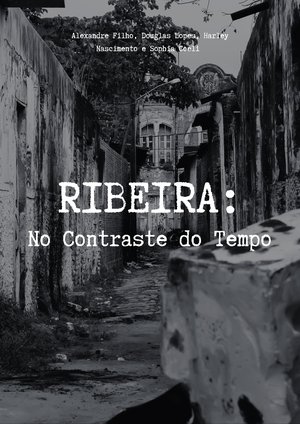
RIBEIRA: No Contraste do Tempo
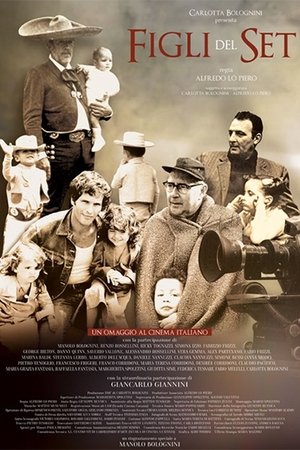
Figli del Set
Kassovitz revisits the story of his cult film by adapting it for the stage and highlights the film's eminently contemporary nature. Recorded in December 2024 at La Seine Musicale in Boulogne Billancourt, in the Hauts-de-Seine department.
Esse curta não é sobre cinema
Claude Lelouch was a Jewish child in occupied France. In this documentary, he talks about the trauma he still feels from that experience, but also how it inspired him to become a filmmaker. The 1940s appear to be a formative period, key to understanding the work and career of this famous director, whose films and life have always been inseparable.