A documentary about the corrupt health care system in The United States whose main goal is to make profit even if it means losing people’s lives. "The more people you deny health insurance, the more money we make" is the business model for health care providers in America.
Follow filmmaker Elle-Máijá Tailfeathers as she creates an intimate portrait of her community and the impacts of the substance use and overdose epidemic. Witness the change brought by community members with substance-use disorder, first responders and medical professionals as they strive for harm reduction in the Kainai First Nation.
The film tells the stories of five people with special abilities who treat and heal their patients in an unconventional way. These charismatic healers from Germany, Austria and Switzerland are the subjects of this documentary which sets out to show how their old-school, arcane methods can serve as an addition to conventional, academic medicine.
Every year many new drugs come to market which offer hope to the sick and dying. This documentary film investigates just how far drug companies are prepared to go to get their drugs approved, what they will do to make sure they get the prices they want, and what happens when profits are put before people.
Documentary written and presented by scientist Richard Dawkins, in which he seeks to expose "those areas of belief that exist without scientific proof, yet manage to hold the nation under their spell", including mediumship, psychokinesis, acupuncture, and other forms of alternative medicine.
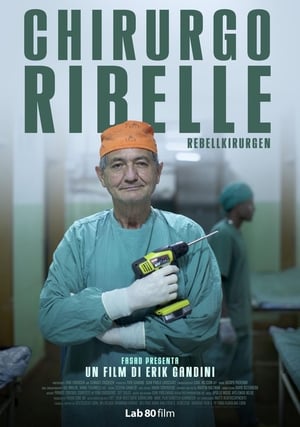
Portrayal of a surgeon who feels stifled by Swedish bureaucracy and relocates to Ethiopia to practice medicine. In a small field hospital, with limited resources, he uses anything at hand to help the patients.
French documentary campaigning for the liberalization of abortion and contraception, directed by Charles Belmont and Marielle Issartel in 1973.
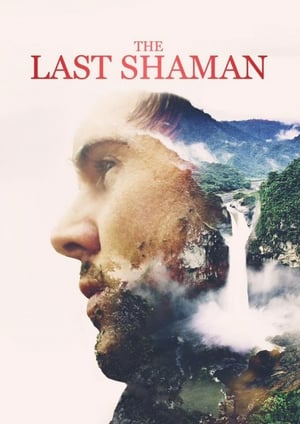
James, giving himself 12 months before he has "a license to kill himself," sets off to the Amazon rainforest with hopes of finding a shaman who can save his life.
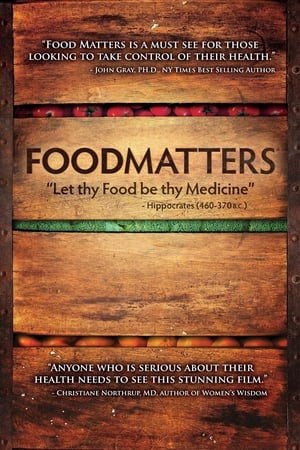
With nutritionally-depleted foods, chemical additives and our tendency to rely upon pharmaceutical drugs to treat what's wrong with our malnourished bodies, it's no wonder that modern society is getting sicker. Food Matters sets about uncovering the trillion dollar worldwide sickness industry and gives people some scientifically verifiable solutions for curing disease naturally.
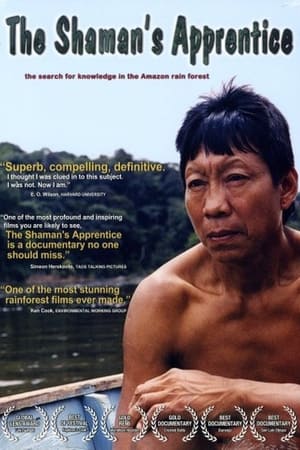
Scientist Mark Plotkin races against time to save the ancient healing knowledge of Indian tribes from extinction.
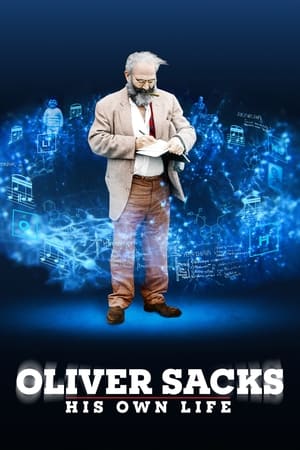
Oliver Sacks: His Own Life explores the life and work of the legendary neurologist and storyteller, as he shares intimate details of his battles with drug addiction, homophobia, and a medical establishment that accepted his work only decades after the fact. Sacks was a fearless explorer of unknown mental worlds who helped redefine our understanding of the brain and mind, the diversity of human experience, and our shared humanity.
Die Kunst des Heilens
Also known as The Operation of Dr. Alejandro Posadas. Filmed with early orthochromatic film in the Hospital de Clínicas de la Ciudad in Buenos Aires.
Contraception is explained as part of biology lessons in year 10. The lesson begins with the teacher explaining the hormonal mode of action of oestrogen and progestogen, whose explanations are supplemented by intermittent images of the schematic diagram on the blackboard. Prompted by questions from the pupils, the teacher then goes into the production of the corpus luteum and explains its function. She then discusses the effect of the 'pill' as an ovulation inhibitor on the female organism. She explains that the preparations absorb the hormone progestin, which prevents further follicle maturation. Further questions are asked about other contraceptive methods. The teacher first explains the Knaus-Ogino method and then talks about the mechanical contraceptive concepts of condoms and pessaries. Finally, the chemical methods and 'coitus interruptus' are discussed as further options for preventing pregnancy.
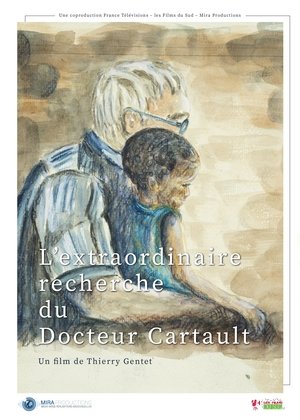
The film recounts the incredible research conducted by François Cartault, a pediatrician and geneticist on the island of Réunion. Conducted like a police investigation over more than 20 years, his research, both medical and historical, takes us on a journey through the disease of moon children, deprived of sunlight, and on the trail of slavery in Africa. The film shows how genetics is also an astonishing trace of history.
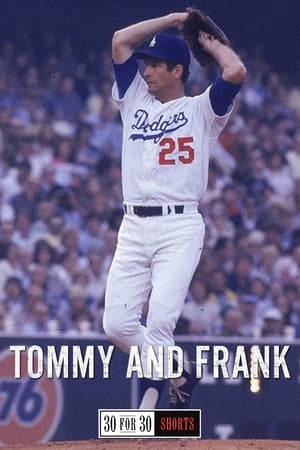
An intimate, funny and compelling take on the unique relationship and shared legacy of Tommy John, the chatty Indiana lefty who won nearly 300 Major League games, and Dr. Frank Jobe, the unassuming L.A. Orthopedist who conceived and performed a revolutionary elbow operation on John in 1974.
How a patient-centered philosophy can improve outcomes and enrich the lives of patients.
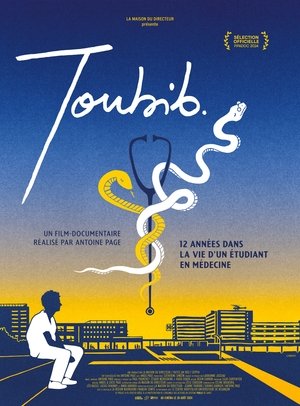
Toubib, 12 années dans la vie d'un étudiant en médecine
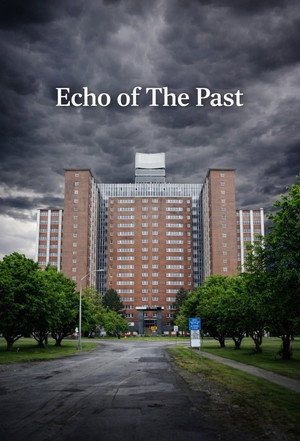
A historical documentary documenting the rise, function, and abandonment of a 17 story building that once housed The Rochester Psychiatric Center. This film tells the story of the building through historical footage, interviews of former staff and patients who recount their memories of the behemoth facility while also exploring the abandoned building as it is today.
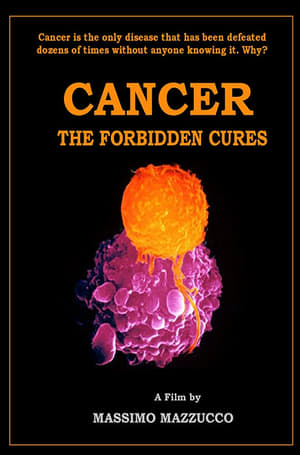
Cancer is the only disease that has been defeated dozens of times without anyone knowing it. In the last 100 years, doctors, scientists, and researchers have developed diverse and effective solutions against cancer only to be thwarted by the political and propaganda power of the drug-dominated medical profession. This is the story of Essiac, Hoxsey, Laetrile, Shark Cartilage, Mistletoe, and Bicarbonate of Soda all put together in a stunning overview that leaves no doubt that inexpensive cures for cancer do exist but are systematically blocked by Big Pharma because they come from nature and cannot be patented. Highly informative.